Vietnam is one of Southeast Asia’s most rewarding destinations, offering a remarkable mix of natural beauty, rich history, vibrant cities, world-famous cuisine, and welcoming local culture. From the limestone islands of Ha Long Bay to the lantern-lit streets of Hoi An and the bustling energy of Ho Chi Minh City, every region has something unique to offer.
For first-time visitors, however, planning a trip to Vietnam can feel overwhelming. Questions about visas, weather, transportation, budgets, safety, and the best itinerary often arise before booking flights.
The good news is that Vietnam is relatively easy to explore once you understand the basics. This step-by-step guide will walk you through everything you need to know to plan a smooth, enjoyable, and memorable trip.
Step 1: Decide How Long to Stay
The first step in planning your Vietnam adventure is deciding how much time you have available. Vietnam stretches over 1,600 kilometers from north to south, so travel distances can be significant.
One Week
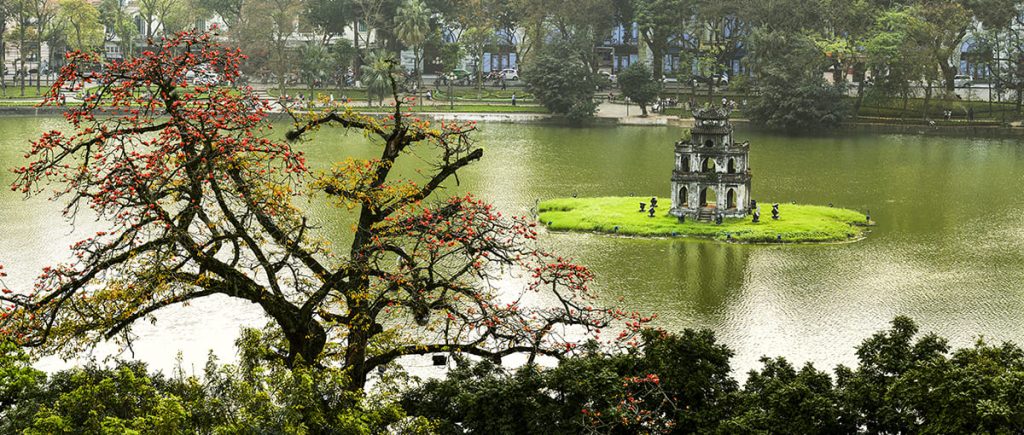
If you have 5–7 days, focus on one region rather than trying to see the entire country. A northern itinerary could include Hanoi, Ha Long Bay, and Ninh Binh, while a central itinerary might focus on Da Nang, Hoi An, and Hue.
Ten to Fourteen Days
This is the ideal duration for most first-time visitors. It allows you to experience a mix of cultural cities, natural landscapes, beaches, and local cuisine without feeling rushed.
Two to Three Weeks
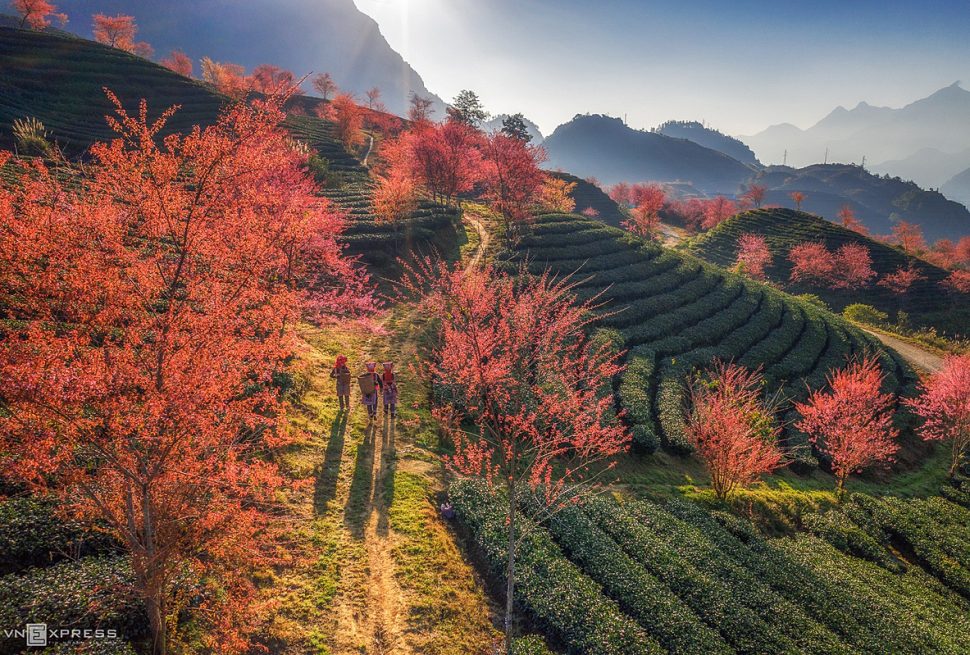
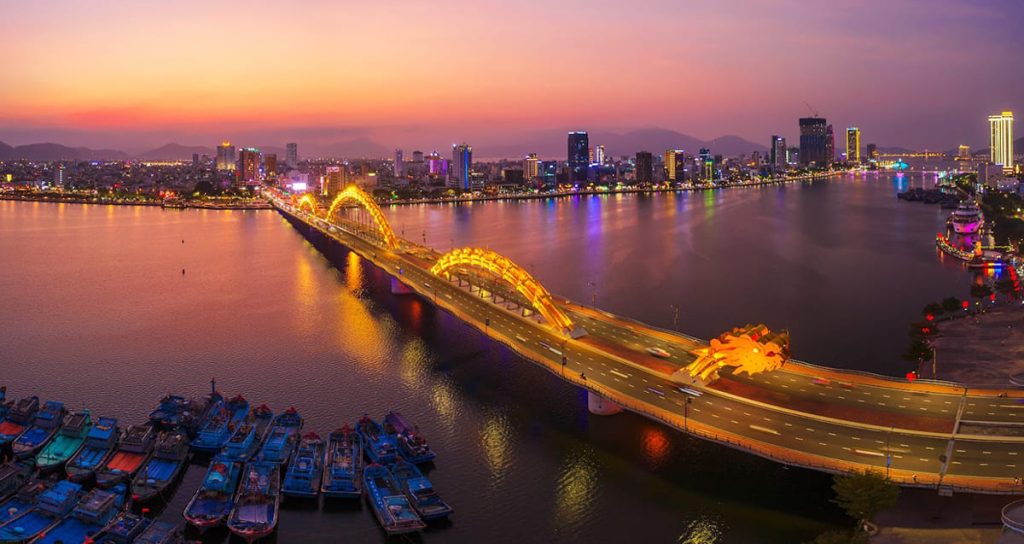
With 14–21 days, you can travel from north to south, adding destinations such as Sapa, Ha Giang, the Mekong Delta, or Phu Quoc.

Step 2: Choose the Best Time to Visit
Vietnam has three distinct climate regions, so the best time to visit depends on your itinerary.
| Region | Best Time to Visit |
|---|---|
| Northern Vietnam | October to April |
| Central Vietnam | February to August |
| Southern Vietnam | December to April |
If you are traveling across multiple regions, March and April are often considered the best months because much of the country enjoys pleasant weather.
Step 3: Check Visa Requirements
Before booking flights, confirm whether your nationality requires a visa to enter Vietnam. Many travelers can apply online for a Vietnam eVisa, while some countries enjoy visa-free entry for short stays.
- Ensure your passport is valid for at least six months beyond your planned arrival date.
- Apply for your visa several weeks before departure if required.
- Keep digital and printed copies of your passport, visa approval, and travel insurance.
Step 4: Set a Realistic Budget
Vietnam is known for offering excellent value for money, but your budget will depend on your travel style.
| Travel Style | Estimated Daily Budget |
|---|---|
| Budget traveler | US$30–50 |
| Mid-range traveler | US$60–120 |
| Luxury traveler | US$150+ |
Your budget should include accommodation, meals, domestic transportation, entrance fees, activities, travel insurance, and personal spending.
Step 5: Plan Your Itinerary
A well-balanced itinerary is the key to an enjoyable trip. Instead of trying to visit every famous destination, choose places that match your interests.
Popular First-Time Itinerary (10–14 Days)
- Hanoi: Explore the Old Quarter, historical sites, and street food.
- Ha Long Bay: Enjoy an overnight cruise among limestone islands.
- Ninh Binh: Discover Trang An, Tam Coc, and ancient temples.
- Hoi An: Experience the Ancient Town, lanterns, and nearby beaches.
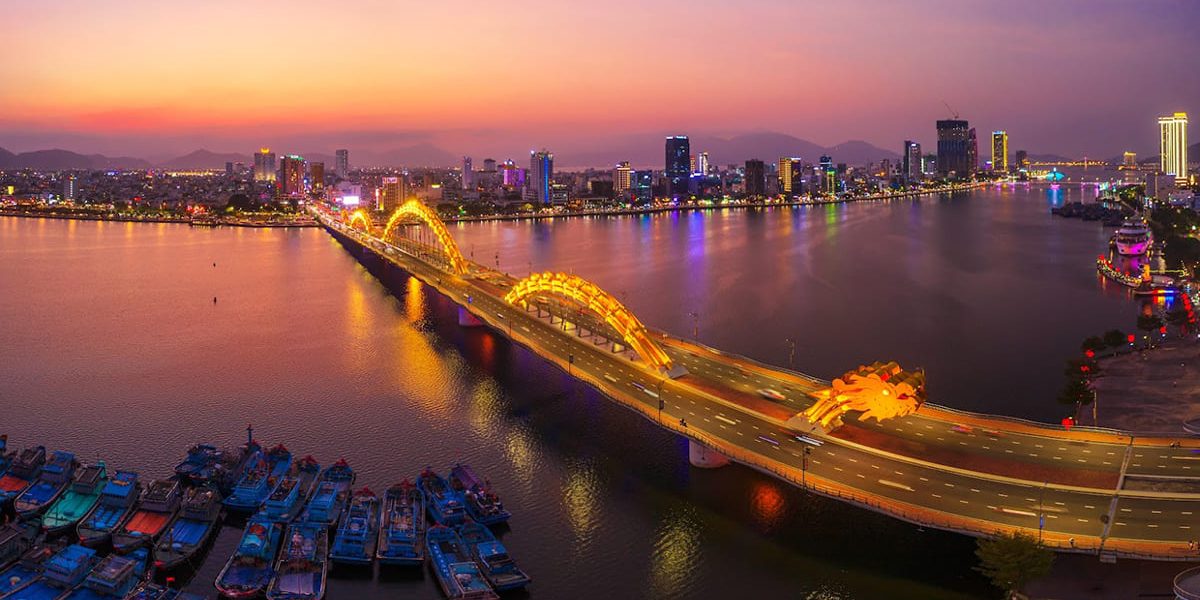
- Da Nang: Relax on the beach and visit Marble Mountains.
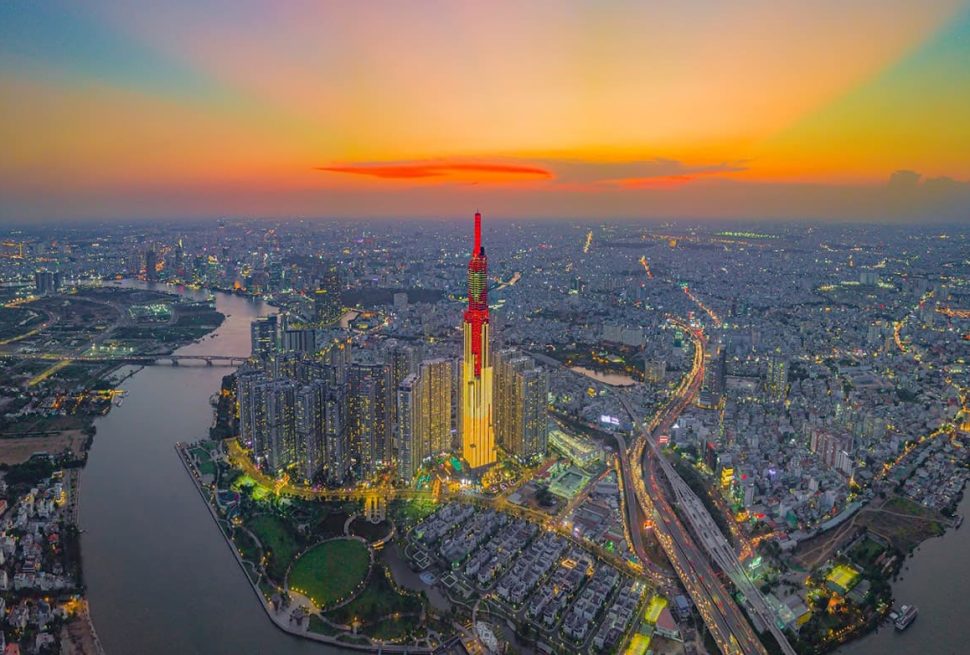
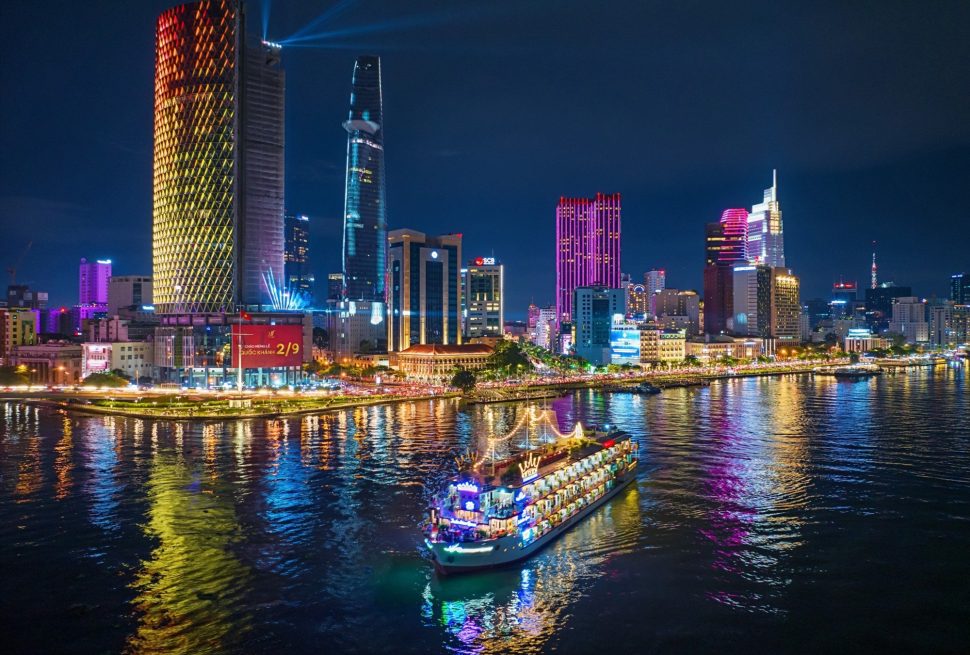
- Ho Chi Minh City: Explore museums, markets, nightlife, and day trips to the Mekong Delta.
Step 6: Book Flights and Accommodation
Vietnam has three main international gateways: Hanoi, Da Nang, and Ho Chi Minh City. If possible, fly into one city and depart from another to avoid backtracking.
When booking accommodation:
- Choose locations close to major attractions or transportation hubs.
- Read recent guest reviews carefully.
- Book popular destinations such as Ha Long Bay and Hoi An well in advance during peak seasons.
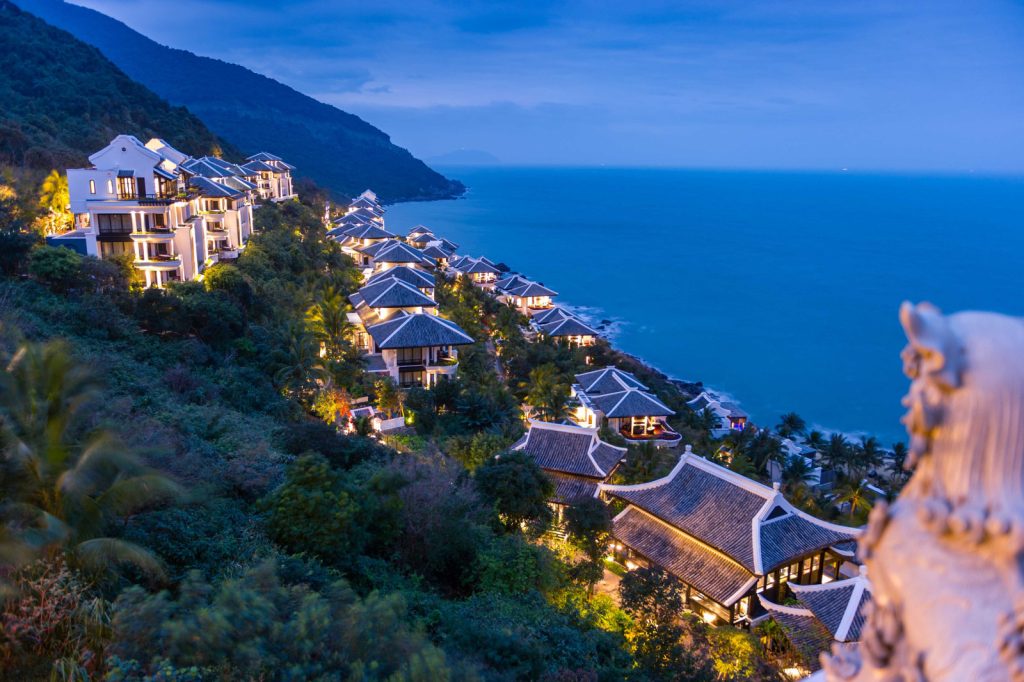
- Consider a mix of city hotels, boutique resorts, and local homestays for a more varied experience.
Step 7: Understand Transportation Options
Vietnam has a well-developed transportation network, making it easy to travel between major destinations.
| Transport | Best For |
|---|---|
| Domestic flights | Long distances between regions |
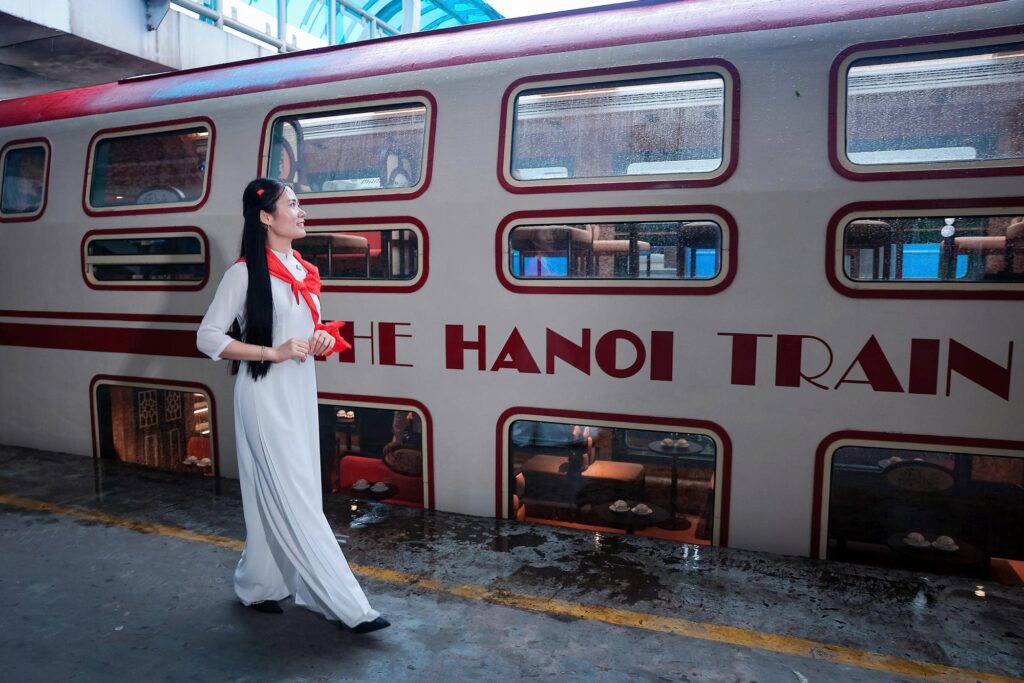
| Trains | Scenic routes such as Hanoi to Da Nang |
| Sleeper buses | Budget travelers |
| Private transfers | Families, groups, and convenience |
| Grab | Local transportation in major cities |
For first-time visitors, combining domestic flights with private transfers or reputable tours can save time and reduce travel stress.
Step 8: Plan Your Activities
Vietnam offers a wide range of activities, so prioritize the experiences that matter most to you.
- Cruising through Ha Long Bay
- Trekking in Sapa or Ha Giang
- Exploring the Ancient Town of Hoi An
- Visiting the Imperial City of Hue
- Taking a cooking class or food tour
- Relaxing on the beaches of Da Nang or Phu Quoc
- Exploring the Mekong Delta by boat
Many travelers choose to arrange selected excursions through experienced local operators such as Vietnam Tourist, especially for private transfers, customized itineraries, or guided day trips.

Step 9: Prepare Travel Essentials
Before departure, make sure you have the following essentials ready:
- Passport and visa documents
- Travel insurance
- Vietnamese Dong (VND) for small purchases
- Credit or debit cards
- Lightweight clothing suitable for warm weather
- A light jacket for northern Vietnam during winter
- Comfortable walking shoes
- Sunscreen, insect repellent, and reusable water bottle
- Local SIM card or eSIM for internet access
Step 10: Learn Basic Cultural Etiquette
Understanding local customs will help you have more respectful and enjoyable interactions with Vietnamese people.
- Dress modestly when visiting temples and pagodas.
- Remove your shoes when entering certain homes or religious sites.
- Use both hands when giving or receiving items when possible.
- Ask permission before photographing local people.
- Learn a few basic phrases such as “Xin chào” (hello) and “Cảm ơn” (thank you).
Step 11: Stay Safe and Healthy
Vietnam is generally a safe destination for tourists, but basic precautions are still important.
- Keep valuables secure in crowded areas.
- Use reputable taxis or ride-hailing apps.
- Drink bottled or filtered water.
- Choose busy street food stalls where food is freshly prepared.
- Carry copies of important documents.
- Have comprehensive travel insurance before departure.
Step 12: Finalize Your Bookings
A few weeks before your trip, review all reservations and confirm the following:
- International and domestic flight bookings
- Accommodation reservations
- Visa approval and passport validity
- Airport transfers and transportation arrangements
- Major tours, cruises, or activities
- Travel insurance coverage
If you prefer a more seamless experience, a trusted local company such as Vietnam Tourist can help coordinate transportation, accommodation, and sightseeing activities into a customized itinerary.
Frequently Asked Questions
How far in advance should I plan a trip to Vietnam?
It is best to start planning 3-6 months before departure, especially if you are traveling during peak seasons or booking popular cruises and resorts.
Is Vietnam suitable for first-time travelers to Southeast Asia?
Yes. Vietnam is one of the easiest countries in Southeast Asia for first-time visitors thanks to its well-developed tourism infrastructure, affordable transportation, and wide range of accommodation options.
How many days should I spend in Vietnam?
For a first trip, 10-14 days is ideal. This allows enough time to experience several key regions without rushing.
What is the best route for a first-time visit?
A common route is Hanoi → Ha Long Bay → Ninh Binh → Da Nang/Hoi An → Ho Chi Minh City. This provides a balanced mix of culture, nature, beaches, and modern city life.
Should I book tours in advance?
For popular activities such as Ha Long Bay cruises, Sapa trekking, and private transfers, booking in advance is recommended to secure availability and better prices.
Final Thoughts
Planning a trip to Vietnam may seem complex at first, but breaking it down into clear steps makes the process much easier. By deciding on your travel dates, checking visa requirements, setting a budget, choosing destinations, and arranging transportation in advance, you can create an itinerary that matches your interests and travel style.
Vietnam offers an unforgettable combination of cultural heritage, natural beauty, delicious cuisine, and warm hospitality. Whether you travel independently or choose to arrange parts of your journey with experienced local operators such as Vietnam Tourist, careful planning will help ensure that your trip is smooth, rewarding, and filled with memorable experiences.
Use this guide as your roadmap, and you’ll be well prepared to enjoy one of Southeast Asia’s most fascinating destinations.
Vietnam Tourist – Your Journey, Our Passion