Quick Facts
Overall Safety Level: Very Safe
Violent Crime: Rare against tourists
Petty Theft Risk: Moderate in crowded tourist areas
Tap Water: Not recommended for drinking
Solo Female Travel: Generally safe with normal precautions
Public Transportation: Safe and affordable
Emergency Number: 113 (Police), 114 (Fire), 115 (Ambulance)
Introduction
For many first-time visitors, one question comes up before booking a flight: Is Vietnam safe to visit?
The short answer is yes.
Vietnam is widely regarded as one of the safest countries in Southeast Asia for international travelers. Every year, millions of visitors explore its bustling cities, tranquil countryside, tropical islands, and mountain villages without experiencing any serious problems.
Like any destination, Vietnam has its share of petty crime and tourist scams, particularly in busy urban areas. However, violent crime involving visitors is uncommon, and most trips are completed without incident.
The key to enjoying a safe and memorable holiday is understanding local customs, recognizing common scams, and taking a few sensible precautions. This guide covers everything you need to know before traveling to Vietnam.

Why Vietnam Is Considered a Safe Destination
Vietnam consistently ranks among the safest countries in Asia for tourism. The country’s political stability, welcoming culture, and relatively low rate of violent crime contribute to its reputation as a comfortable destination for families, solo travelers, couples, and retirees alike.
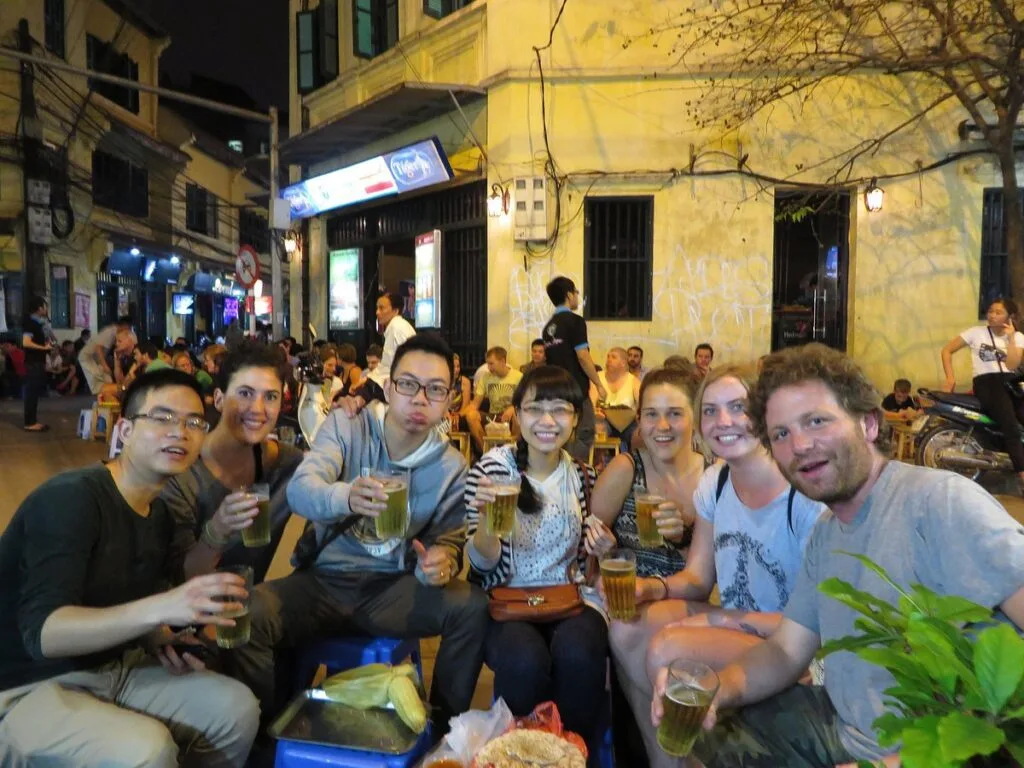
One of the first things many visitors notice is how lively Vietnam’s streets remain well into the evening. Night markets, cafés, restaurants, and public parks are often filled with local families, creating a vibrant yet relaxed atmosphere.
Hospitality also plays an important role in Vietnamese culture. While language barriers may occasionally exist, locals are often willing to help visitors with directions, recommendations, or small acts of kindness.
Is Violent Crime Common?
Fortunately, violent crime against tourists is rare.
Most travelers never encounter dangerous situations during their stay. Incidents involving assault or robbery are uncommon compared to many popular international destinations.
The majority of reported issues involve opportunistic crimes such as pickpocketing or bag snatching rather than violent offenses.
Basic awareness goes a long way in reducing risk.
Avoid carrying large amounts of cash, keep expensive electronics out of sight when walking through crowded streets, and remain attentive in busy markets or public transportation hubs.
Common Tourist Scams
Although Vietnam is generally safe, travelers should be aware of a few scams that occasionally target visitors.
Taxi Overcharging
Some unlicensed taxis may refuse to use the meter or take unnecessarily long routes.
The easiest solution is to use trusted ride-hailing services such as Grab or book transportation through your hotel.
Shoe Cleaning Scam
In tourist districts, someone may unexpectedly begin cleaning your shoes before quoting an unreasonable price.
A polite but firm “No, thank you” is usually enough to avoid the situation.
Cyclo Price Confusion
Traditional bicycle taxis, known as cyclos, remain popular in some cities.
Always agree on the total price before starting the ride.
Fake Goods
Markets often sell imitation designer products.
If purchasing souvenirs, shop from reputable stores when quality matters.
Currency Confusion
Vietnamese banknotes can appear similar in color, especially to first-time visitors.
Take a moment to count your change carefully before leaving shops or restaurants.
Is It Safe to Walk at Night?
In most tourist areas, walking at night is generally safe.
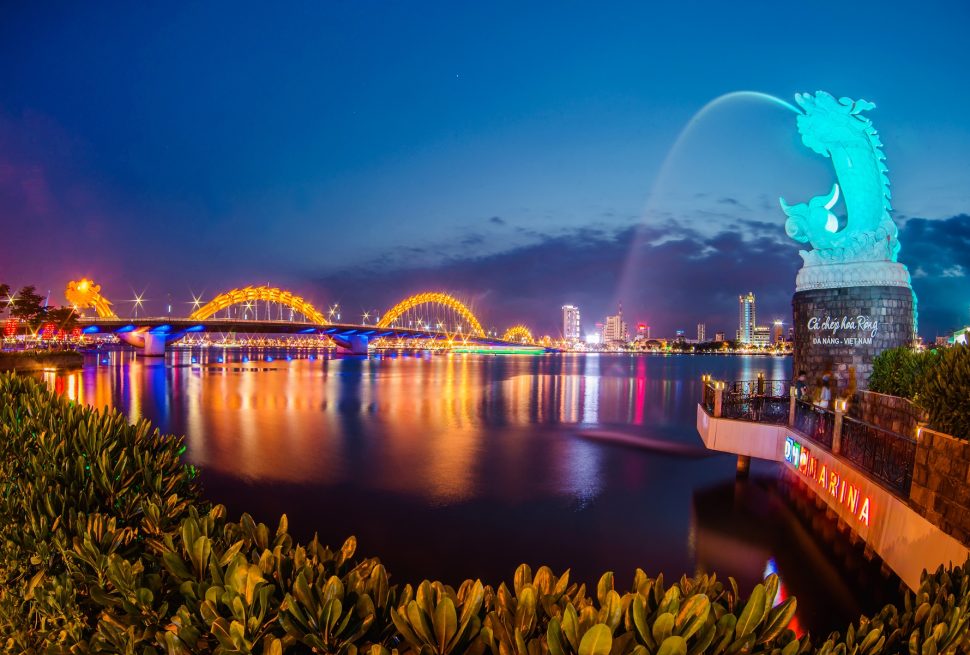
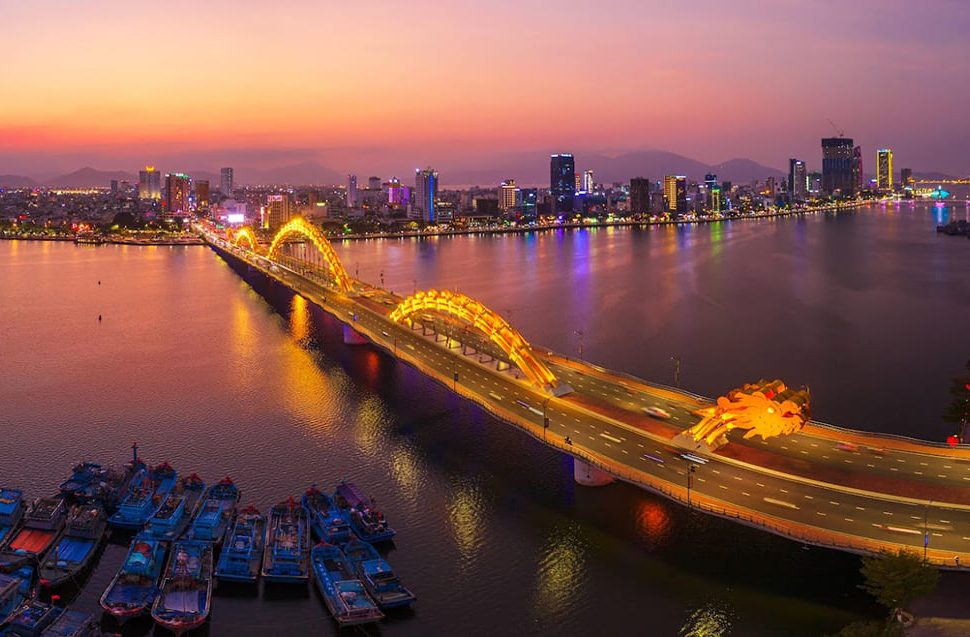
Popular neighborhoods such as Hanoi’s Old Quarter, Ho Chi Minh City’s District 1, Hoi An Ancient Town, and Da Nang’s riverside remain lively until late evening.
Even so, avoid poorly lit streets, isolated alleys, or deserted areas after midnight.
If returning to your hotel late, using Grab or a licensed taxi is often the safest and most convenient option.

Is Vietnam Safe for Solo Female Travelers?
Vietnam has become one of Asia’s favorite destinations for solo female travelers.
Many women travel independently throughout the country without experiencing significant problems.
As with travel anywhere in the world, a few practical precautions are recommended:
Choose accommodations with strong guest reviews.
Avoid sharing detailed travel plans with strangers.
Dress respectfully when visiting temples and rural communities.
Trust your instincts if a situation feels uncomfortable.
Join organized tours when exploring remote regions if traveling alone.
Many female travelers find Vietnam welcoming, affordable, and easy to navigate, particularly in established tourist destinations.
Is Street Food Safe?
One of the highlights of visiting Vietnam is undoubtedly its street food.
From steaming bowls of pho to freshly grilled seafood and crispy bánh mì, local cuisine is an essential part of the travel experience.
Most street food is perfectly safe when purchased from busy vendors with high customer turnover.
Look for stalls where food is freshly cooked to order rather than sitting out for extended periods.
Avoid raw seafood unless dining at a reputable restaurant, and always drink bottled or filtered water instead of tap water.
Is Tap Water Safe to Drink?
No.
Visitors should avoid drinking tap water directly.
Instead, choose bottled water or refill reusable bottles at hotels and filtered water stations whenever available.
Ice served in restaurants, hotels, and established cafés is generally produced commercially and is considered safe.
Road Safety in Vietnam
Traffic is often the biggest surprise for first-time visitors.
Motorbikes dominate the roads, especially in major cities like Hanoi and Ho Chi Minh City.
Crossing the street may seem intimidating at first, but the secret is to walk slowly and predictably. Motorbike riders are accustomed to navigating around pedestrians who maintain a steady pace.
Avoid sudden movements or running across the road.
If you plan to rent a motorbike, make sure you have the appropriate driving license and sufficient riding experience. Vietnam’s traffic can be challenging for inexperienced riders.

Is Public Transportation Safe?
Domestic flights, trains, buses, and private transfers are all considered safe ways to travel around Vietnam.
Sleeper trains and overnight buses are popular for long-distance journeys, while domestic airlines connect major cities quickly and affordably.
Families and travelers seeking greater comfort often prefer private transportation arranged through trusted local travel companies such as Vietnam Tourist, especially when visiting destinations that are less accessible by public transport.
Natural Hazards
Vietnam experiences seasonal weather patterns that travelers should keep in mind.
Typhoon season typically affects parts of central Vietnam between September and November.
Northern mountain regions may experience heavy rain during summer, occasionally causing landslides or temporary road closures.
Checking local weather forecasts before traveling to remote destinations is always advisable.
Health and Medical Care
Vietnam offers modern hospitals and international medical clinics in major cities.
Travel insurance with medical coverage is strongly recommended before departure.
Basic medications are widely available at pharmacies, but travelers should bring any prescription medication they require, along with copies of prescriptions if necessary.
Mosquito repellent is recommended, particularly when visiting rural areas, national parks, or the Mekong Delta.
Emergency Contacts
Should you need assistance, Vietnam’s emergency services can be reached using the following numbers:
Police: 113
Fire Department: 114
Ambulance: 115
It is also useful to keep your embassy or consulate’s contact information readily available during your trip.

Local Expert Tips
Carry a copy of your passport rather than the original whenever possible.
Use hotel safes for passports and valuable belongings.
Purchase a local SIM card or eSIM shortly after arrival to ensure you always have internet access.
Save your accommodation’s address in your phone, preferably written in both English and Vietnamese.
Download offline maps before exploring rural regions.
Be respectful when photographing local people, particularly in ethnic minority communities.
Common Mistakes First-Time Visitors Make
Many travelers worry too much about crime and not enough about everyday travel habits.
The most common mistakes include:
Leaving mobile phones exposed while standing near busy roads.
Crossing streets unpredictably.
Ignoring weather forecasts before visiting mountain regions.
Booking transportation through unofficial vendors.
Drinking tap water.
Keeping all cash and bank cards in one wallet.
Simple preparation can prevent most travel inconveniences.
Frequently Asked Questions
Is Vietnam safer than other Southeast Asian countries?
Vietnam enjoys a strong reputation for safety and is often considered one of the region’s most comfortable destinations for first-time international visitors.
Is it safe to carry cash?
Yes, but carry only what you need for the day and keep larger amounts securely stored at your accommodation.
Is English widely spoken in emergencies?
International hospitals, hotels, airports, and major tourist attractions usually have English-speaking staff. In rural areas, communication may be more limited.
Can families travel safely with children?
Absolutely. Vietnam is increasingly popular with families thanks to its friendly locals, diverse attractions, and affordable accommodation.
Should I join organized tours?
Independent travel is easy in many destinations, but guided tours can provide greater convenience, especially for travelers with limited time. Reputable local companies such as Vietnam Tourist offer professionally organized day trips and private itineraries that simplify transportation and logistics while allowing visitors to explore comfortably.
Final Thoughts
Vietnam is a country where ancient traditions, modern cities, breathtaking landscapes, and warm hospitality come together to create unforgettable travel experiences. While no destination is entirely free from risk, Vietnam remains one of the safest places in Asia for international tourists.
With a little common sense, awareness of your surroundings, and respect for local customs, you’ll likely find that your biggest challenge isn’t staying safe-it’s deciding which incredible destination to visit next.
Whether you’re exploring the limestone islands of Ha Long Bay, enjoying street food in Hanoi, cycling through Hoi An, or watching the sunset on Phu Quoc Island, Vietnam offers an experience that is both exciting and reassuringly welcoming for travelers from around the world.