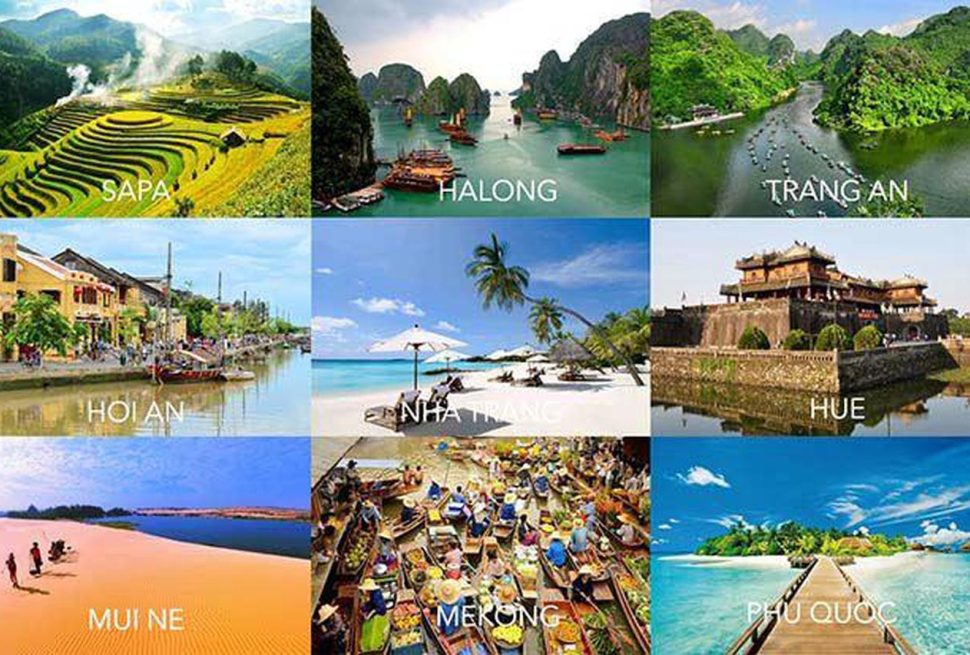
Northern Vietnam is one of the most diverse regions in Southeast Asia. From the bustling streets of Hanoi and the emerald waters of Ha Long Bay to the breathtaking rice terraces of Sapa and the dramatic mountain passes of Ha Giang, every destination offers a unique experience throughout the year.
Unlike southern Vietnam, North Vietnam has four distinct seasons. Each season transforms the landscape, creating different opportunities for sightseeing, trekking, photography, and cultural experiences. Choosing the right time to visit depends on what you want to see and do.
This month-by-month guide will help you decide when to visit Northern Vietnam and which destinations are at their best during each season.
January – Cool, Peaceful and Perfect for Sightseeing
January is one of the coolest months of the year. Hanoi enjoys comfortable temperatures, while mountain destinations such as Sapa and Ha Giang can become quite cold, especially early in the morning.
The clear skies make this an excellent time to explore Hanoi’s Old Quarter, cruise through Ha Long Bay, or discover the scenic landscapes of Ninh Binh without the summer heat.
Best for: Hanoi, Ha Long Bay, Ninh Binh, cultural sightseeing.
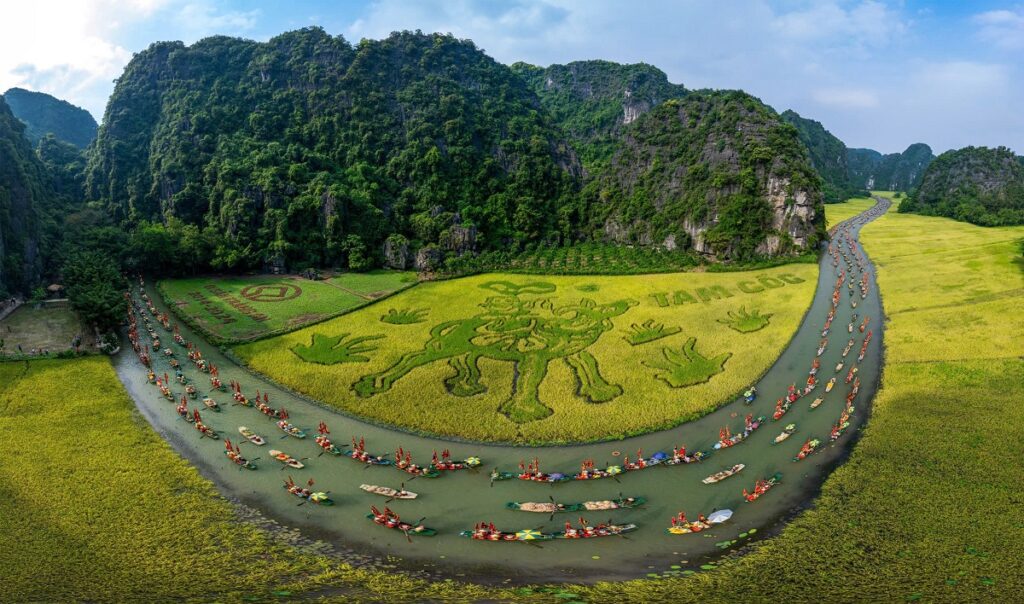
February – Spring Festivals Begin
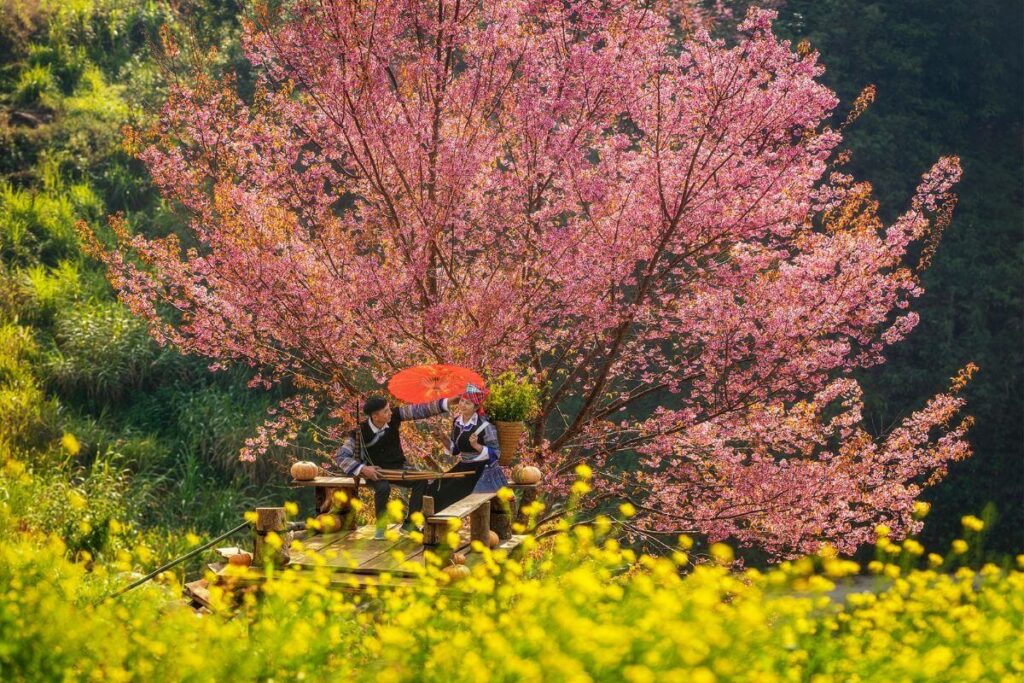
February marks the arrival of spring and is one of the most vibrant times to visit Northern Vietnam. Flowers begin to bloom, temperatures become milder, and many traditional festivals take place following Lunar New Year.
It’s an ideal month for visitors who want to experience Vietnamese culture while enjoying comfortable weather.
Best for: Hanoi, Ninh Binh, Ha Long Bay, local festivals.

March – One of the Best Months to Visit
March offers pleasant temperatures, lower humidity, and plenty of sunshine across most of Northern Vietnam. The weather is ideal for both city exploration and outdoor adventures.
Whether you’re cruising through Ha Long Bay, cycling in Ninh Binh, or trekking around Sapa, March provides excellent conditions.
Best for: Hanoi, Ha Long Bay, Ninh Binh, Sapa.
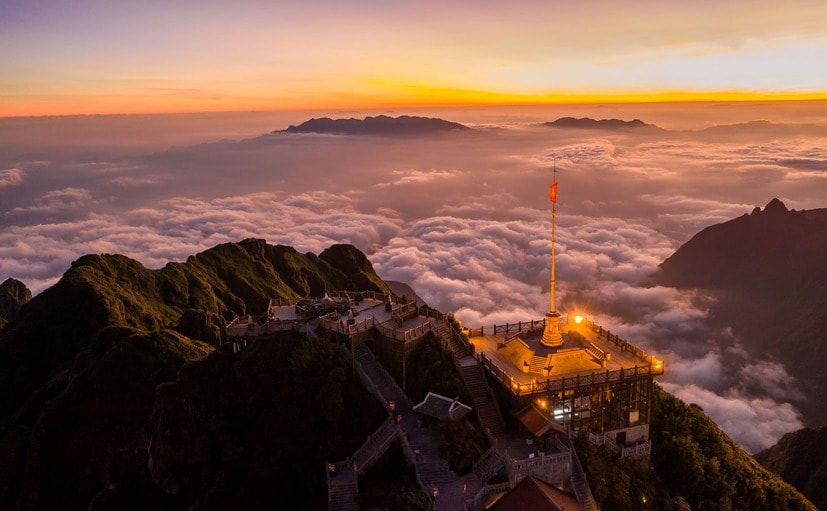
April – Beautiful Weather Throughout the Region
April continues to offer some of the year’s best travel conditions. Days are warm without being excessively hot, making it perfect for sightseeing, hiking, and photography.
Rice fields begin turning green in many rural areas, creating spectacular scenery.
Best for: Hanoi, Sapa, Ha Giang, Ninh Binh.

May – Warm Days and Lush Landscapes
Temperatures begin to rise in May, but the countryside becomes incredibly green after the first seasonal rains.
It’s a great month for travelers looking to enjoy nature before the peak summer holiday season begins.
Best for: Ninh Binh, Ha Long Bay, Mai Chau, Sapa.

June – Summer Adventures
June brings warmer temperatures and occasional afternoon showers. While cities can feel hot and humid, mountain destinations remain refreshing.
This is also the beginning of Vietnam’s summer vacation period, so popular attractions may become busier.
Best for: Sapa, Ha Giang, Ha Long Bay, Co To Island,
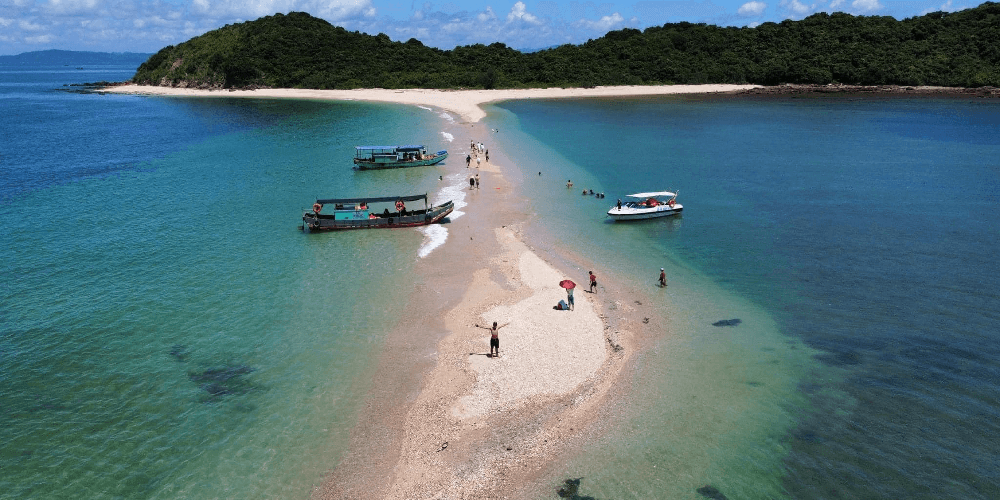
July – Green Mountains and Waterfalls
Although July is one of the wettest months, the landscapes are at their most vibrant. Waterfalls are full, rice terraces are lush, and mountain scenery is spectacular.
Travelers should be prepared for occasional heavy rain, particularly in mountainous areas.
Best for: Nature lovers, photographers, mountain scenery.

August – Rice Fields at Their Finest
August is one of the most rewarding months for photography. Rice terraces around Sapa, Mu Cang Chai, and Hoang Su Phi begin turning golden before harvest.
Rain showers still occur, but they are often followed by beautiful clear skies.
Best for: Sapa, Mu Cang Chai, Hoang Su Phi.
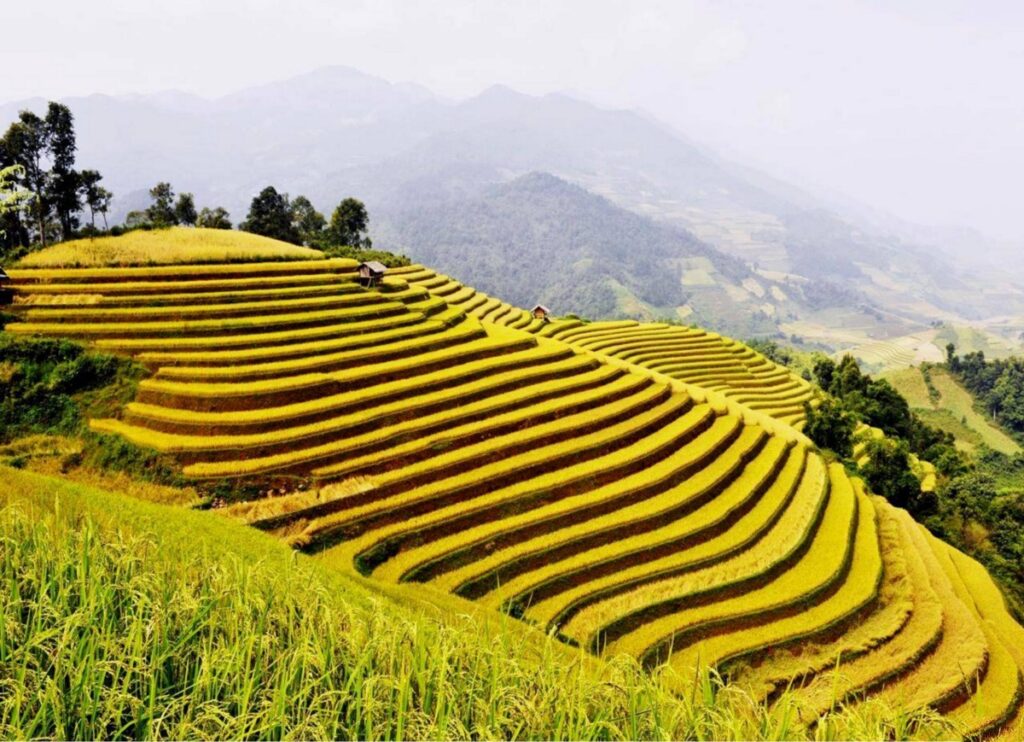
September – Golden Rice Terrace Season
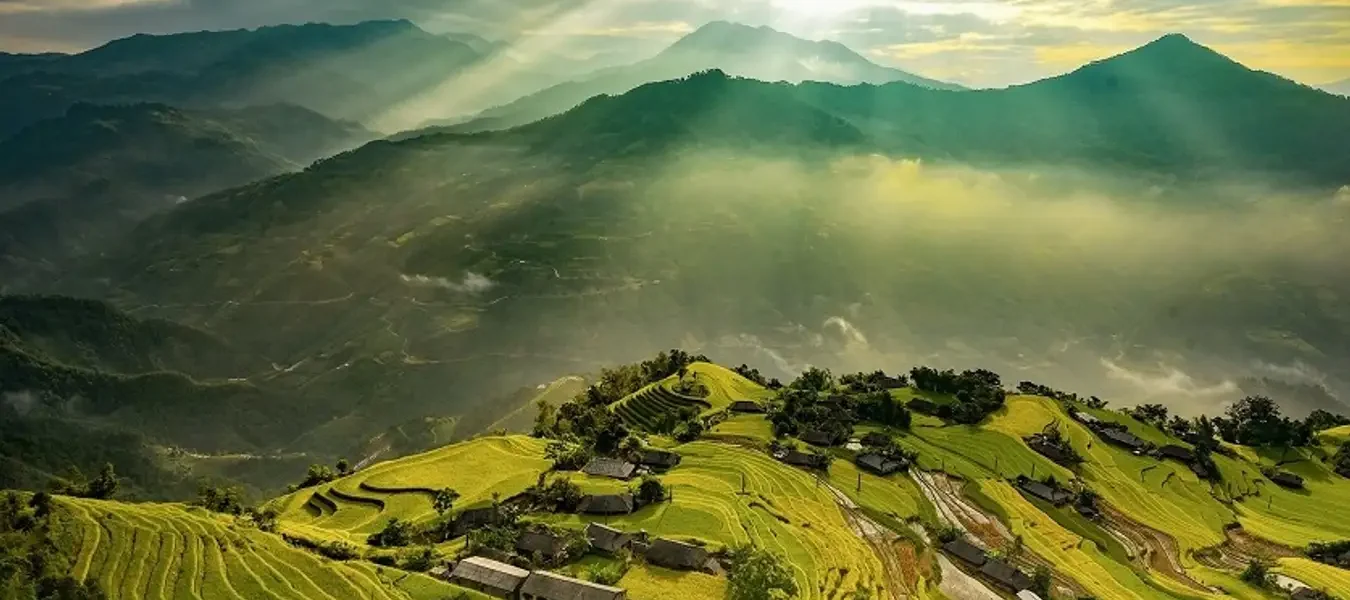
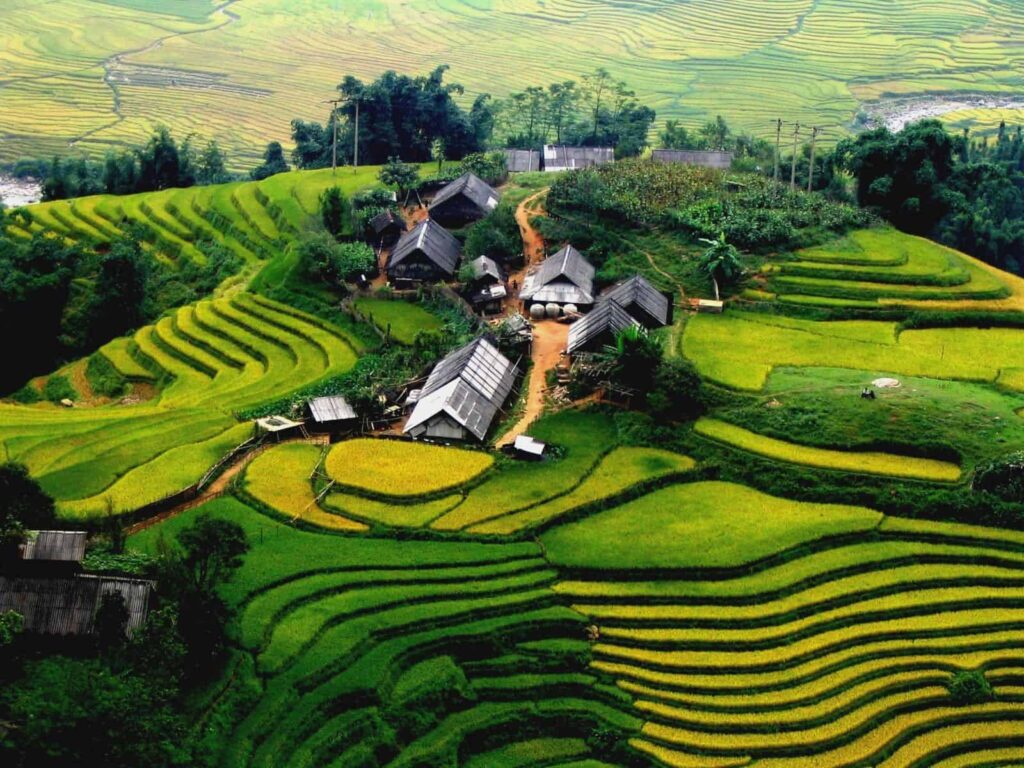
For many travelers, September is the most beautiful month in Northern Vietnam. Vast rice terraces turn brilliant shades of gold, creating some of the country’s most iconic landscapes.
This is also one of the busiest periods for trekking, so booking accommodation in advance is recommended.
Best for: Sapa, Ha Giang, Mu Cang Chai, trekking.
October – The Best Overall Month
October is widely considered the best time to visit Northern Vietnam. The weather is cool, dry, and comfortable, making it suitable for almost every type of activity.
Whether you’re exploring Hanoi, cruising Ha Long Bay, hiking through mountain villages, or cycling in Ninh Binh, October offers ideal conditions.
Best for: All Northern Vietnam destinations.
November – Comfortable Weather and Clear Skies
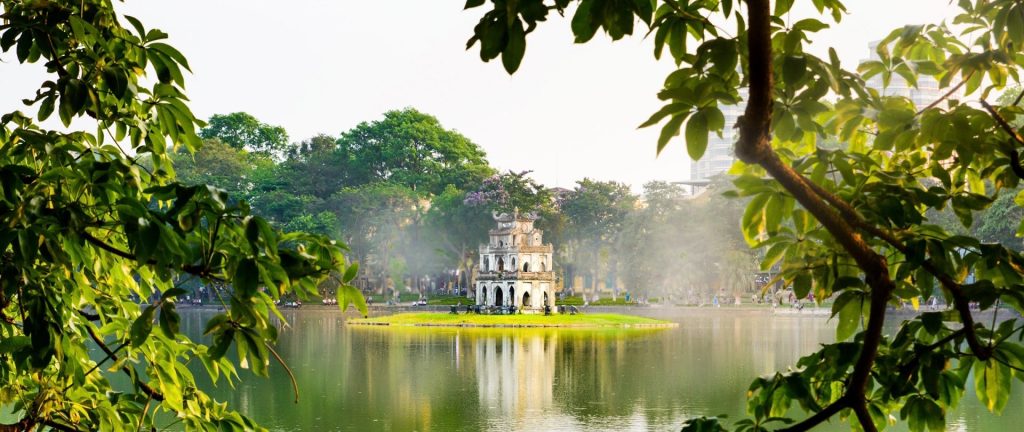
November continues the excellent autumn weather with cool mornings, sunny afternoons, and low humidity.
The comfortable climate makes it one of the best months for first-time visitors planning a multi-destination itinerary.
Best for: Hanoi, Ha Long Bay, Ninh Binh, Ha Giang.
December – Winter Charm
December brings cool temperatures and festive holiday decorations to major cities. Hanoi has a charming atmosphere, while mountain regions become noticeably colder.
Although swimming isn’t ideal in Ha Long Bay, sightseeing cruises remain popular thanks to the peaceful scenery.
Best for: Hanoi, Ha Long Bay, Ninh Binh, winter city breaks.

When Should You Visit North Vietnam?
If you’re looking for the best overall weather, March, April, October, and November are the top choices. These months offer comfortable temperatures, low rainfall, and excellent conditions for sightseeing.
For trekking and photography, September and October are particularly special thanks to the famous golden rice terraces in Sapa, Ha Giang, and Mu Cang Chai.
Travelers interested in cultural festivals should consider visiting in February, while those who enjoy lush green landscapes may prefer May through August despite the occasional rain.
Many visitors combine Northern Vietnam with Central or Southern Vietnam in the same trip. To make the most of changing weather conditions and minimize travel time, experienced local travel specialists such as Vietnam Tourist can help create customized itineraries based on the season and your travel interests.
Final Thoughts
There is no bad time to visit Northern Vietnam-each season offers a different perspective on this remarkable region. Spring brings blooming flowers and cultural festivals, summer showcases lush mountain scenery, autumn reveals golden rice terraces and pleasant temperatures, while winter offers peaceful landscapes and a unique atmosphere rarely found elsewhere in Southeast Asia.
By choosing the right month for your travel style, you’ll enjoy the very best that Northern Vietnam has to offer, whether that’s exploring Hanoi’s historic streets, sailing through Ha Long Bay, trekking in Sapa, or discovering the breathtaking mountain roads of Ha Giang.
Vietnam Tourist – Your Journey, Our Passion