Having reliable internet access can make your trip to Vietnam much easier. Whether you’re navigating Hanoi’s Old Quarter, booking a Grab ride in Ho Chi Minh City, translating menus, or sharing photos from Ha Long Bay, staying connected helps you travel more confidently.
Fortunately, Vietnam has one of the most affordable and reliable mobile networks in Southeast Asia. Travelers can choose between physical SIM cards and eSIMs, both offering excellent coverage and generous data packages at reasonable prices.
This guide explains everything you need to know before buying a SIM card or eSIM in Vietnam.
Should You Buy a SIM Card or an eSIM?
Both options work well, but the best choice depends on your phone and travel preferences.
A physical SIM card is ideal for travelers who want a local phone number and don’t mind swapping SIM cards after arriving.
An eSIM allows you to activate mobile data before your flight or immediately after landing, without removing your existing SIM card. If your smartphone supports eSIM technology, it is often the most convenient solution.
Best Mobile Network Providers in Vietnam
Vietnam has three major mobile network operators, each offering reliable service across most of the country.
Viettel has the largest network coverage and is the best choice for travelers visiting remote areas such as Ha Giang, Sapa, Cao Bang, or the Mekong Delta.
Vinaphone provides fast internet speeds in major cities and popular tourist destinations.
MobiFone also offers good nationwide coverage and competitive tourist packages.
For most visitors, any of these three providers will provide a smooth experience in cities, beaches, and major tourist attractions.

Where to Buy a SIM Card
Buying a SIM card in Vietnam is quick and straightforward.
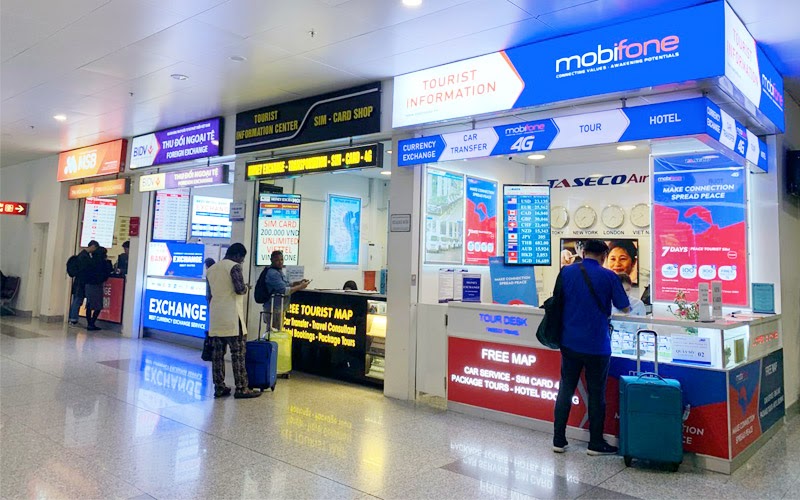
The easiest option is to purchase one at the international airports in Hanoi, Ho Chi Minh City, or Da Nang after arriving. Airport counters usually help activate the SIM before you leave the terminal.
You can also buy SIM cards from official mobile stores, convenience stores, supermarkets, and authorized retailers throughout the country.
Avoid purchasing from unofficial street vendors unless you are certain the SIM has been properly registered.
Should You Buy Before or After Arrival?
If your phone supports eSIM, activating one before departure allows you to access maps, transportation apps, and messaging services immediately after landing.
Travelers who prefer physical SIM cards usually find better value by purchasing them after arriving in Vietnam rather than buying international travel SIMs before departure.
Internet Speed in Vietnam
Vietnam offers surprisingly fast mobile internet.
Major cities such as Hanoi, Ho Chi Minh City, Da Nang, and Nha Trang enjoy excellent 4G coverage, while 5G service continues to expand in many urban areas.
Hotels, cafés, shopping malls, and restaurants also provide free Wi-Fi, making it easy to stay connected throughout your journey.
Useful Apps to Download
Once your internet is working, downloading a few essential apps will make traveling much easier.
Google Maps is invaluable for navigation, while Grab is the most popular app for booking taxis and motorbike rides.
Google Translate can help with menus and conversations, and messaging apps such as WhatsApp, Messenger, and Zalo allow you to communicate with hotels, guides, or local contacts.
Many airlines also provide mobile boarding passes through their official apps.
Tips for Using Mobile Data
Although Vietnam offers affordable data packages, it’s still a good idea to download offline maps before exploring rural areas.
Keep your phone charged by carrying a portable power bank, especially during full-day sightseeing tours.
If you’re visiting remote mountain regions or national parks, expect mobile coverage to be less stable than in major cities.
Is Public Wi-Fi Enough?
Free Wi-Fi is widely available in Vietnam, but relying on it exclusively is not recommended.
Having your own mobile connection gives you greater flexibility, especially when using navigation apps, booking transportation, or making online payments while exploring new destinations.
A local SIM card or eSIM also provides additional security compared to connecting to unknown public Wi-Fi networks.
Final Thoughts
Buying a SIM card or activating an eSIM is one of the first things every traveler should do after arriving in Vietnam. It makes navigation easier, improves communication, and helps you make the most of every day of your trip.
If you’re planning a multi-city journey, reliable internet becomes even more valuable for checking flight schedules, finding local attractions, and staying in touch with your accommodation. Many travelers booking customized tours through Vietnam Tourist also appreciate having mobile data available throughout their journey, making communication with guides and drivers simple and convenient.
With affordable prices, fast mobile networks, and excellent nationwide coverage, staying connected in Vietnam has never been easier.
Vietnam Tourist – Your Journey, Our Passion