One of the first questions travelers ask when planning a trip to Vietnam is, “How many days do I need?” The answer depends on what you want to experience. Vietnam stretches more than 1,600 kilometers (1,000 miles) from north to south, offering everything from ancient cities and UNESCO World Heritage Sites to tropical islands, spectacular mountains, and world-famous cuisine.
Trying to see everything in a single trip often leads to rushed itineraries and unnecessary travel. Instead, choosing the right trip length allows you to enjoy each destination at a comfortable pace and create more meaningful travel experiences.
Whether you have just a few days or several weeks, this guide will help you decide how much time you should spend in Vietnam and what you can realistically see.
Is One Week Enough?
A 7-day trip is enough to experience one region of Vietnam or visit two nearby destinations, but it’s not enough to explore the entire country.
For Northern Vietnam, you could spend your week exploring Hanoi, cruising through Ha Long Bay, and discovering the limestone landscapes of Ninh Binh. Nature lovers may replace Ninh Binh with Sapa for mountain trekking and ethnic villages.
In Central Vietnam, seven days are ideal for combining Da Nang, Hoi An, and Hue. You’ll have time to relax on beautiful beaches, visit the Imperial City, wander through Hoi An Ancient Town, and enjoy local cuisine without feeling rushed.
If you’re visiting Southern Vietnam, a week allows you to experience Ho Chi Minh City, the Mekong Delta, and a few relaxing days on Phu Quoc Island.
A seven-day itinerary is perfect for travelers returning to Vietnam in the future or those combining Vietnam with another Southeast Asian destination.

Is 10 Days Enough?
For many international visitors, 10 days offers the perfect balance between sightseeing and relaxation.
A typical 10-day itinerary includes Hanoi, Ha Long Bay, Ninh Binh, Hoi An, Da Nang, and Ho Chi Minh City. Domestic flights make it easy to travel between regions while maximizing your vacation time.
Ten days allows you to experience Vietnam’s history, culture, cuisine, and natural beauty without constantly rushing from one destination to another.
If you’re traveling as a couple or family, this is often the most recommended trip length.

Is Two Weeks the Ideal Choice?
If your schedule allows, 14 days is widely considered the ideal amount of time to visit Vietnam.
With two weeks, you can comfortably travel from north to south while enjoying a variety of experiences. Explore Hanoi’s Old Quarter, cruise through Ha Long Bay, cycle around Ninh Binh, discover the lantern-lit streets of Hoi An, relax on Da Nang’s beaches, visit Hue’s Imperial Citadel, experience the energy of Ho Chi Minh City, and cruise through the Mekong Delta.
You’ll also have enough flexibility to include destinations such as Sapa, Phong Nha-Ke Bang National Park, Quy Nhon, or Phu Quoc depending on your interests.
Instead of simply checking famous attractions off your list, two weeks gives you time to slow down and appreciate Vietnam’s diverse landscapes and local culture.

What Can You See in Three Weeks?
Travelers with 21 days or more can enjoy one of Southeast Asia’s most rewarding journeys.
Three weeks allows you to explore nearly every major region without feeling rushed. You can venture beyond the classic tourist route to discover Ha Giang’s mountain passes, the caves of Phong Nha, the quiet beaches of Quy Nhon, the coastal beauty of Phu Yen, or the remote islands of Con Dao.
This longer itinerary is perfect for photographers, food lovers, adventure travelers, and anyone who enjoys exploring destinations beyond the usual highlights.
Many visitors who spend three weeks in Vietnam say they still leave with places they want to return to.

Which Destinations Should You Prioritize?
If it’s your first visit, focus on Vietnam’s iconic destinations rather than trying to see every province.
Hanoi offers centuries of history, vibrant street life, and one of Asia’s most fascinating Old Quarters.
Ha Long Bay is famous for its limestone islands and unforgettable overnight cruises.
Ninh Binh provides peaceful countryside scenery often described as “Ha Long Bay on land.”
Sapa attracts hikers with spectacular rice terraces and ethnic minority villages.
Hue showcases Vietnam’s imperial history through ancient palaces, royal tombs, and pagodas.
Da Nang combines modern city life with beautiful beaches and easy access to nearby attractions.
Hoi An charms visitors with lantern-lit streets, historic architecture, riverside cafés, and tailor shops.
Ho Chi Minh City offers an exciting mix of history, nightlife, shopping, and incredible street food.
The Mekong Delta introduces travelers to floating markets, river life, and lush fruit orchards.
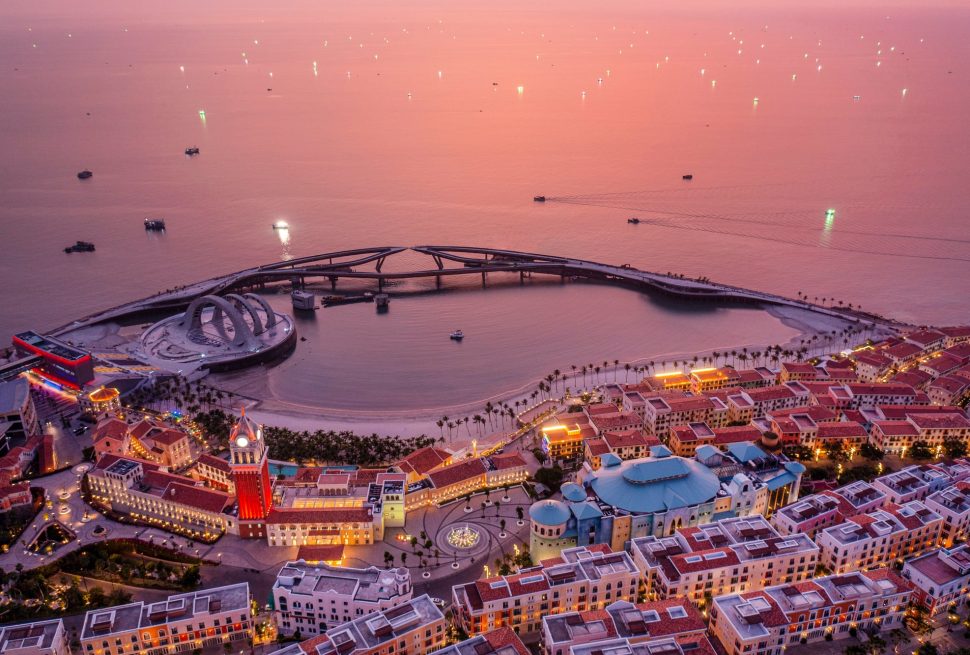
Phu Quoc is the perfect place to end a Vietnam journey with white-sand beaches, island-hopping tours, and spectacular sunsets.
Should You Travel from North to South?
For first-time visitors, traveling from north to south is often the most practical option.
Starting in Hanoi allows you to experience Vietnam’s rich history and cooler climate before gradually moving toward Central Vietnam’s beaches and finishing in the tropical south.
This route also minimizes backtracking and makes domestic flights more efficient.
Of course, the reverse itinerary works equally well if flight schedules or international connections are more convenient.
Travel Slow, Experience More
Many first-time visitors make the mistake of trying to visit too many destinations in a limited amount of time.
Although Vietnam looks relatively narrow on a map, travel between regions can take several hours. Spending two or three nights in each destination creates a much more enjoyable experience than changing hotels every day.
Instead of rushing from attraction to attraction, allow time to enjoy a bowl of pho at a local restaurant, watch the sunrise over Ha Long Bay, cycle through rice fields in Ninh Binh, or relax at a beach café in Da Nang. These moments often become the most memorable parts of a trip.
Let the Seasons Guide Your Itinerary
The best itinerary also depends on the time of year. Weather conditions vary significantly across Vietnam, so planning your route around the seasons can greatly improve your travel experience.
For example, spring is ideal for traveling across the entire country, while summer is perfect for Central Vietnam’s beaches. Autumn offers spectacular scenery in Northern Vietnam, and winter is one of the best times to visit Southern Vietnam and Phu Quoc.
If you’re unsure how to combine destinations based on the weather, working with experienced local travel specialists such as Vietnam Tourist can help you create a customized itinerary that matches your travel dates, interests, and budget while making the most of seasonal conditions.
Final Thoughts
There is no single perfect length for a trip to Vietnam, but there is a perfect itinerary for the amount of time you have available.
A week is ideal for exploring one region, ten days allows you to experience Vietnam’s most famous highlights, and two weeks offers the perfect balance of culture, nature, history, and relaxation. If you have three weeks or more, you’ll have the opportunity to discover lesser-known destinations that reveal an even deeper side of the country.
Whatever your schedule, Vietnam rewards travelers who choose quality over quantity. By allowing yourself enough time to experience each destination rather than rushing through a long checklist, you’ll leave with unforgettable memories and, like many visitors, a desire to return.
Vietnam Tourist – Your Journey, Our Passion