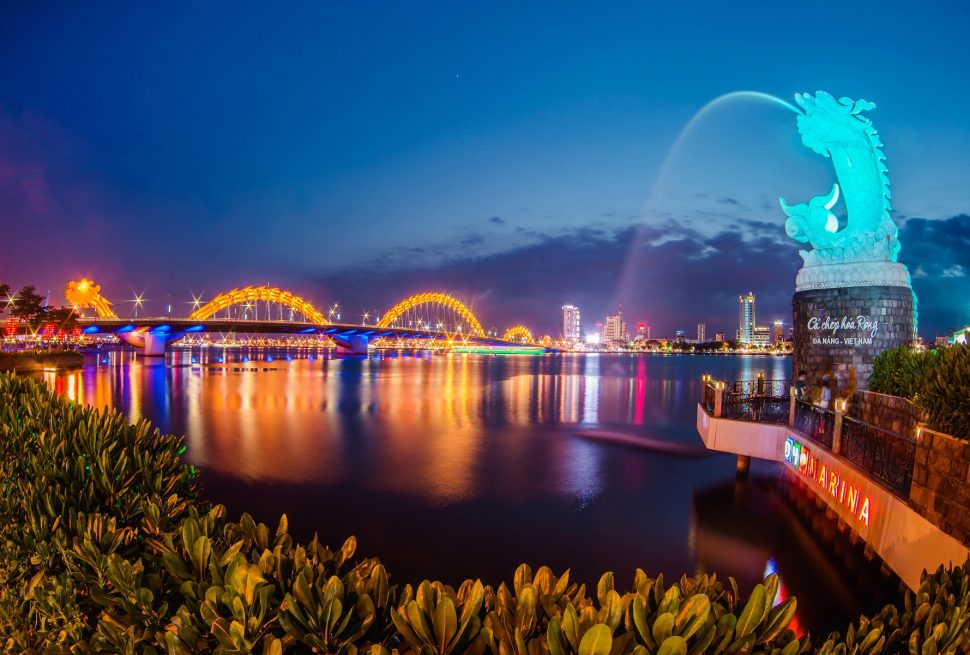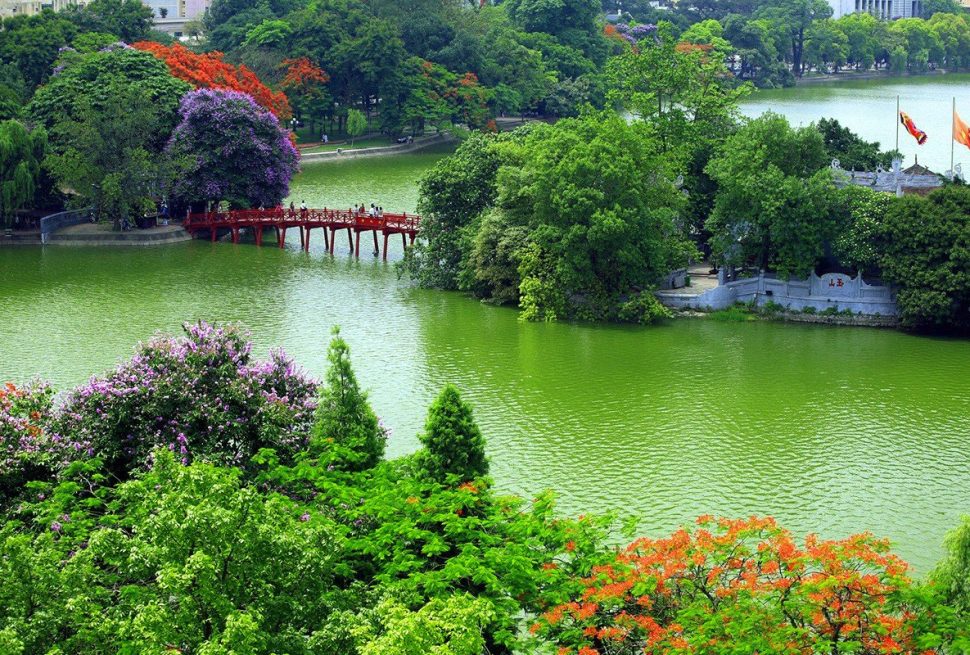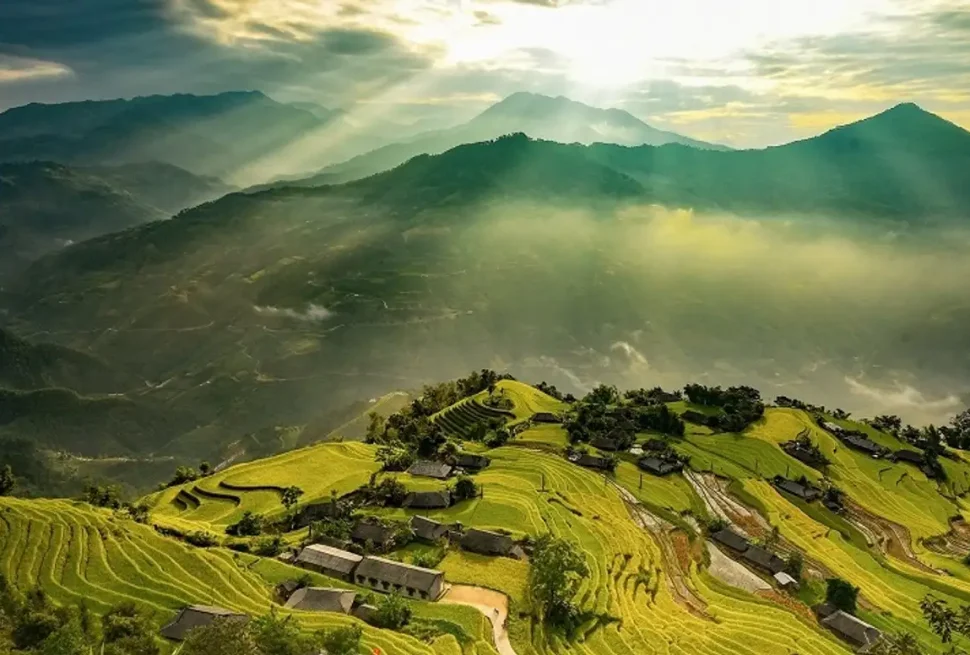
Vietnam is one of Southeast Asia’s most rewarding travel destinations, offering an extraordinary blend of ancient culture, dramatic landscapes, world-famous cuisine, and warm hospitality. From the limestone islands of Ha Long Bay to the lantern-lit streets of Hoi An and the vibrant energy of Ho Chi Minh City, the country offers unforgettable experiences for every type of traveler.
For first-time visitors, however, Vietnam can feel both exciting and overwhelming. The traffic is lively, the currency has many zeros, and the climate varies dramatically from north to south. A little preparation before you arrive can make your trip smoother, safer, and far more enjoyable.
This guide brings together the most important Vietnam travel tips that international visitors should know before setting off on their adventure.
1. Check Your Visa Requirements Early
Before booking flights, confirm whether your nationality requires a visa to enter Vietnam. Many travelers can apply online for a Vietnam eVisa, while some countries enjoy visa exemptions for short stays.
Apply well in advance and ensure your passport is valid for at least six months beyond your planned arrival date.
2. Understand Vietnam’s Regional Weather
Vietnam stretches over 1,600 kilometers, so weather conditions can differ greatly between regions.
Northern Vietnam is best from October to April.
Central Vietnam is ideal from February to August.
Southern Vietnam is best from December to April.
If you plan to travel across multiple regions, pack for a variety of temperatures and conditions.
3. Carry Vietnamese Dong
Vietnam’s official currency is the Vietnamese Dong (VND). Cash is still widely used, especially at markets, street food stalls, small cafés, and local shops.
ATMs are common in cities, and credit cards are accepted in many hotels, malls, and larger restaurants.
4. Download Grab Before Arrival
Grab is Vietnam’s most popular ride-hailing app and is extremely useful for taxis, motorbike rides, and food delivery. It helps avoid price negotiations and provides transparent fares.
5. Learn to Cross the Street Calmly
Traffic in Vietnam can look chaotic at first, especially in Hanoi and Ho Chi Minh City. The key is to walk slowly and steadily, allowing motorbike riders to predict your movement and pass around you.
Avoid sudden stops or running across the road.
6. Eat Street Food Wisely
Vietnamese street food is one of the highlights of any trip. Choose busy stalls with high customer turnover, where food is freshly cooked and ingredients appear clean.
Popular dishes to try include pho, banh mi, bun cha, bun bo Hue, and fresh spring rolls.
7. Drink Bottled or Filtered Water
Tap water is not recommended for drinking. Use bottled water or refill reusable bottles at filtered water stations whenever possible.
8. Respect Local Customs
Vietnamese culture values politeness and respect. When visiting temples or pagodas, dress modestly by covering shoulders and knees, and remove shoes when required.
9. Pack Light but Smart
Vietnam’s climate is generally warm, so lightweight clothing is ideal. However, bring a light jacket for northern Vietnam in winter, rain protection for wet seasons, and comfortable walking shoes for sightseeing.
10. Don’t Overpack Your Itinerary
Vietnam offers so much to see that many first-time visitors try to cover too many destinations in one trip. For a 10-day itinerary, focus on three to five key destinations rather than rushing through the entire country.
11. Budget More for Experiences
Vietnam is affordable, but cruises, guided tours, domestic flights, and luxury accommodations can add up. Allocate part of your budget for memorable experiences such as a Ha Long Bay cruise, Sapa trekking, or a Mekong Delta tour.
12. Book Popular Attractions Early
Ha Long Bay cruises, Phu Quoc resorts, and major holiday periods can sell out quickly. Booking in advance often secures better prices and availability.
13. Use Reputable Transportation
For taxis, use Grab or trusted companies such as Mai Linh and Vinasun. Avoid unofficial taxis waiting outside airports or tourist attractions.
14. Keep Small Banknotes Handy
Small denominations are useful for street food, local transportation, market shopping, and tipping small amounts when appropriate.
15. Be Aware of Common Tourist Scams
Common scams include taxi overcharging, cyclo price confusion, and inflated souvenir prices. Agree on prices beforehand and use trusted booking channels whenever possible.
16. Get a Local SIM Card or eSIM
Vietnam has excellent mobile internet coverage. Buying a SIM card or eSIM at the airport or in the city is inexpensive and makes navigation, booking rides, and communication much easier.
17. Try Vietnamese Coffee
Vietnamese coffee culture is unique and delicious. Don’t miss egg coffee in Hanoi, iced milk coffee, and coconut coffee in various cities.
18. Learn a Few Basic Vietnamese Phrases
Even simple phrases such as “Xin chào” (hello), “Cảm ơn” (thank you), and “Bao nhiêu?” (how much?) can create friendly interactions with locals.
19. Travel Insurance Is Worth It
Comprehensive travel insurance covering medical emergencies, trip cancellations, and lost belongings is highly recommended before traveling to Vietnam.
20. Pack for Different Regions
A north-to-south trip may require both warm-weather clothing and a light jacket, especially if visiting Hanoi, Sapa, or Ha Giang during cooler months.
21. Respect Bargaining Etiquette
Bargaining is common in markets, but it should be friendly and respectful. Start with a smile, negotiate politely, and avoid arguing aggressively over small amounts.
22. Consider Private Tours for Convenience
Vietnam is easy to explore independently, but private tours can save time and reduce logistical stress, especially for first-time visitors with limited vacation days. Reputable local operators such as Vietnam Tourist can help arrange transportation, accommodation, and customized itineraries across the country.
23. Keep Your Passport Safe
Carry a copy of your passport for daily sightseeing and store the original securely at your accommodation whenever possible.
24. Be Flexible with Travel Plans
Weather, traffic, and transportation schedules can occasionally change unexpectedly. Keeping some flexibility in your itinerary will make the trip less stressful.
25. Slow Down and Enjoy the Culture
Vietnam is best experienced slowly. Spend time sitting at a local café, exploring markets, talking with locals, and enjoying the rhythm of daily life rather than rushing from one attraction to another.
Suggested First-Time Itinerary
For a balanced first trip, consider this route:
Hanoi for culture and street food.
Ha Long Bay for natural beauty.
Ninh Binh for landscapes and history.
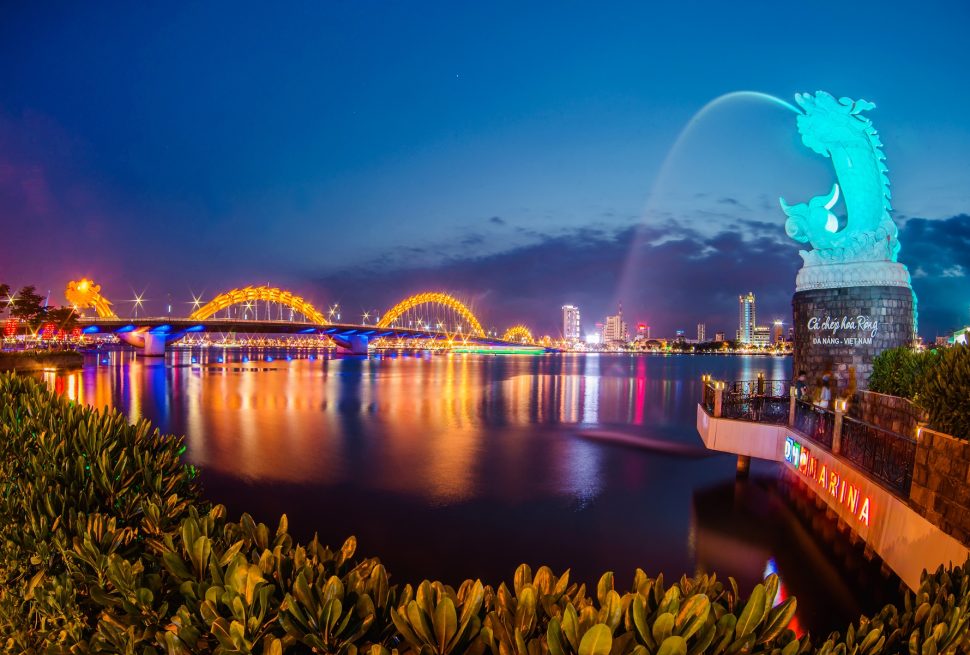
Hoi An and Da Nang for beaches and heritage.
Ho Chi Minh City for modern energy and history.
This itinerary offers a mix of Vietnam’s most iconic experiences without feeling too rushed.
Frequently Asked Questions
Is Vietnam safe for first-time visitors?
Yes, Vietnam is generally very safe for tourists. Petty theft can occur in crowded areas, so basic precautions are recommended.
Is Vietnam expensive?
No. Vietnam is one of the best-value destinations in Asia, offering affordable food, accommodation, transportation, and activities.
Can I travel independently?
Absolutely. Vietnam has a well-developed tourism infrastructure, though guided tours can be useful for remote regions or complex itineraries.
Is English widely spoken?
English is commonly spoken in tourist areas, hotels, airports, and by younger people, though less so in rural regions.
How many days should I spend in Vietnam?
A 10- to 14-day trip is ideal for first-time visitors, allowing enough time to experience several key regions without rushing.
Final Thoughts
Vietnam rewards travelers with unforgettable landscapes, incredible food, rich history, and genuine hospitality. While the country may feel unfamiliar at first, a little preparation goes a long way toward making your journey smooth and enjoyable.
By understanding local customs, planning transportation wisely, and allowing time to truly experience each destination, your first trip to Vietnam can become one of the most memorable adventures of your life.
Whether you choose to travel independently or arrange a customized itinerary through an experienced local company such as Vietnam Tourist, Vietnam is a destination that offers extraordinary experiences for every traveler.