Vietnam has become one of Asia’s most captivating travel destinations, welcoming millions of international visitors every year. Stretching from the misty mountains near the Chinese border to the tropical islands of the Gulf of Thailand, the country offers an extraordinary diversity of landscapes, cultures, cuisines, and experiences that few destinations can match.
A single journey through Vietnam can take you from cruising among the limestone karsts of Ha Long Bay to wandering the lantern-lit streets of Hoi An, from hiking through emerald rice terraces in Sapa to relaxing on the white-sand beaches of Phu Quoc. Along the way, you’ll discover bustling cities filled with energy, peaceful countryside rich in tradition, and one of the world’s most celebrated street food cultures.
For first-time visitors, however, planning a trip to Vietnam often raises plenty of questions. When is the best time to visit? Do you need a visa? How much should you budget? Is Vietnam safe? Should you travel independently or book guided tours? Which destinations deserve a place on your itinerary?
The good news is that Vietnam is remarkably easy to explore once you understand the basics. With careful planning, your journey can be smooth, affordable, and packed with unforgettable experiences.
This comprehensive guide brings together everything you need to know before traveling to Vietnam, helping you make informed decisions from the moment you begin planning until the day you return home with memories that last a lifetime.
Why Vietnam Should Be on Your Travel Bucket List
Few countries offer as much variety as Vietnam.
Unlike destinations where attractions are concentrated in a single region, Vietnam rewards travelers who explore from north to south. Every part of the country has its own character, climate, cuisine, and cultural identity.
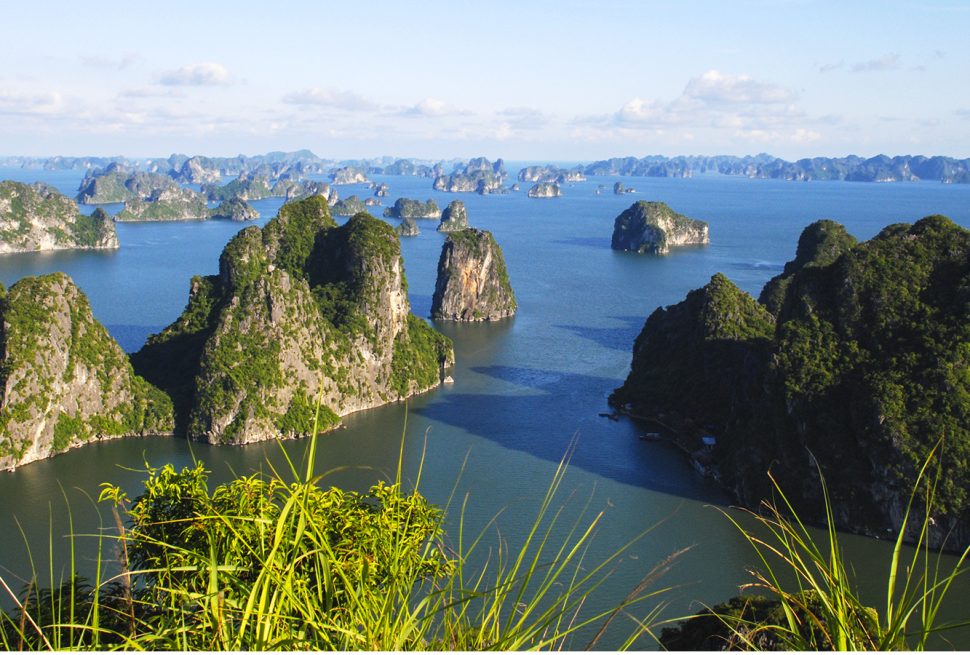
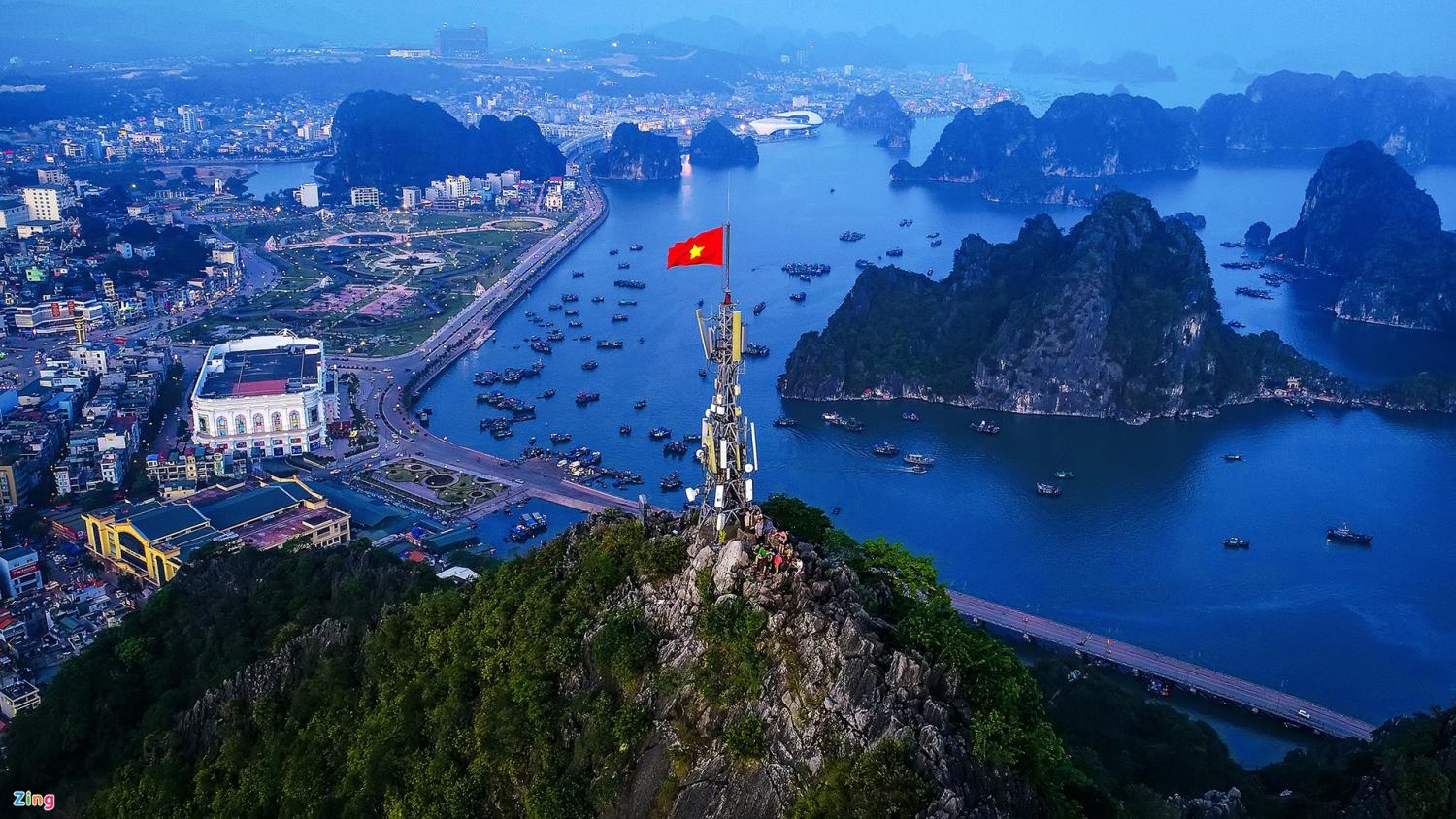
Northern Vietnam is known for dramatic mountain scenery, ancient temples, peaceful lakes, and traditional villages. Hanoi combines over a thousand years of history with vibrant street life, while Ha Long Bay and Ninh Binh showcase some of the most breathtaking natural landscapes in Southeast Asia.
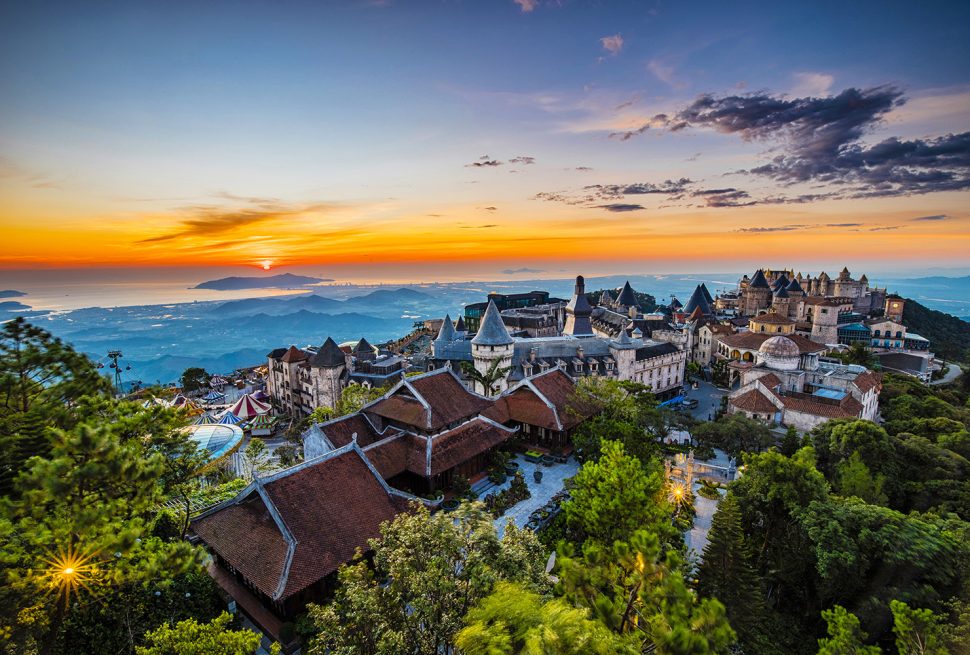
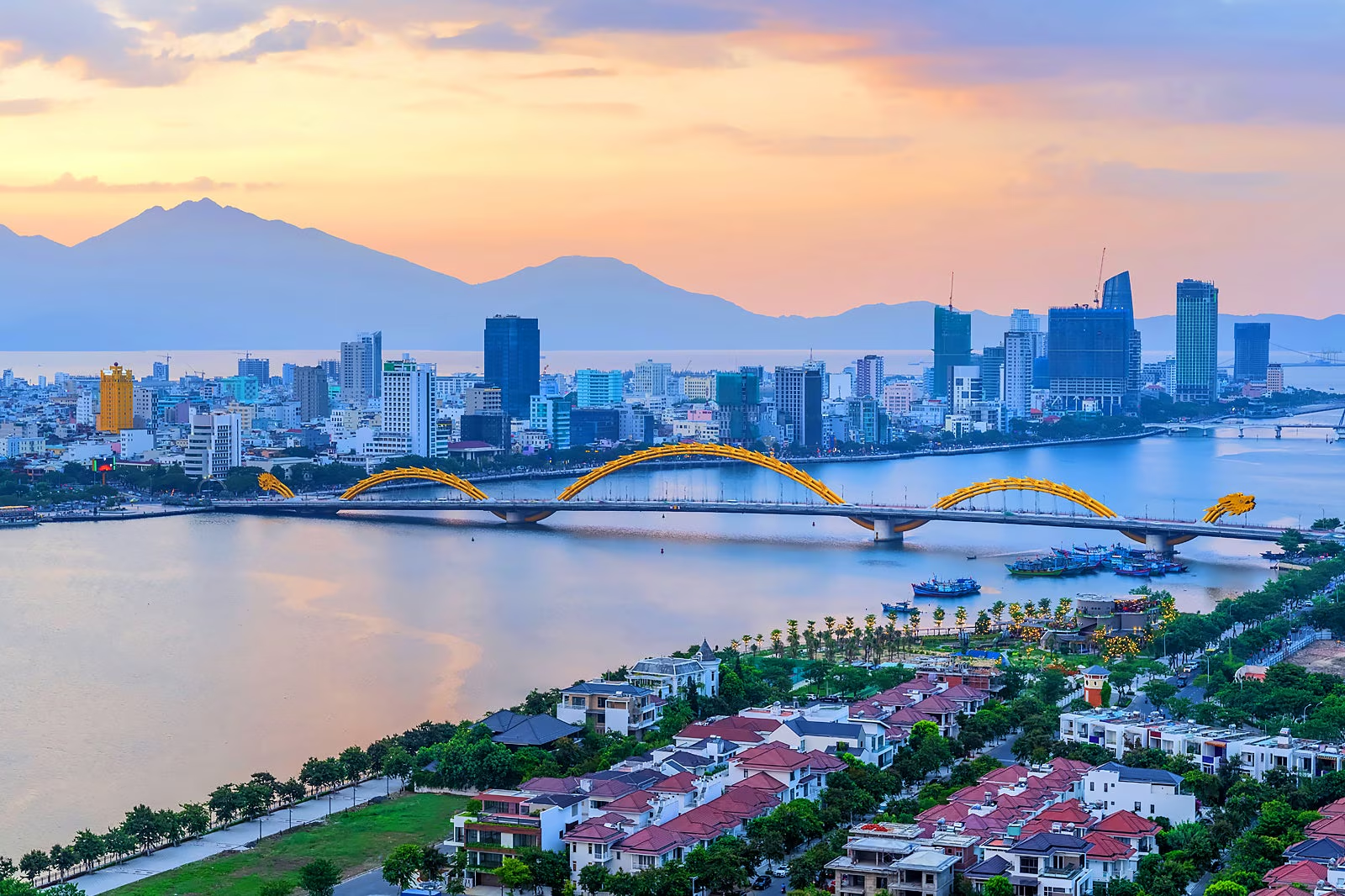
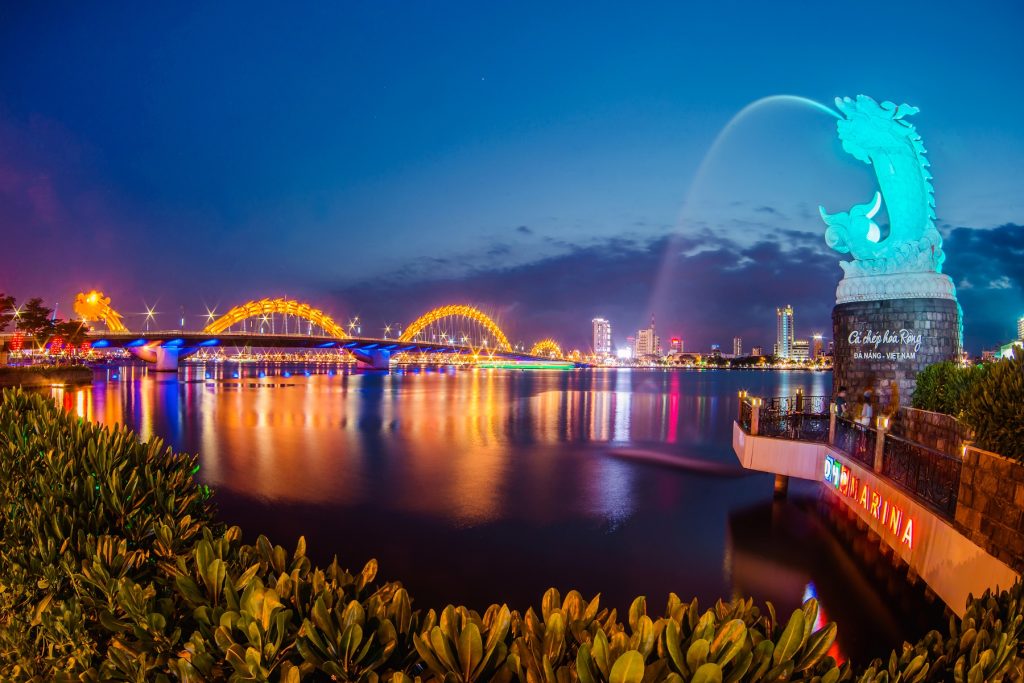
Central Vietnam introduces visitors to imperial history, UNESCO World Heritage Sites, long stretches of coastline, and charming towns where life moves at a gentler pace. Cities such as Hue, Da Nang, Hoi An, and Quy Nhon each offer distinctly different experiences despite being relatively close together.
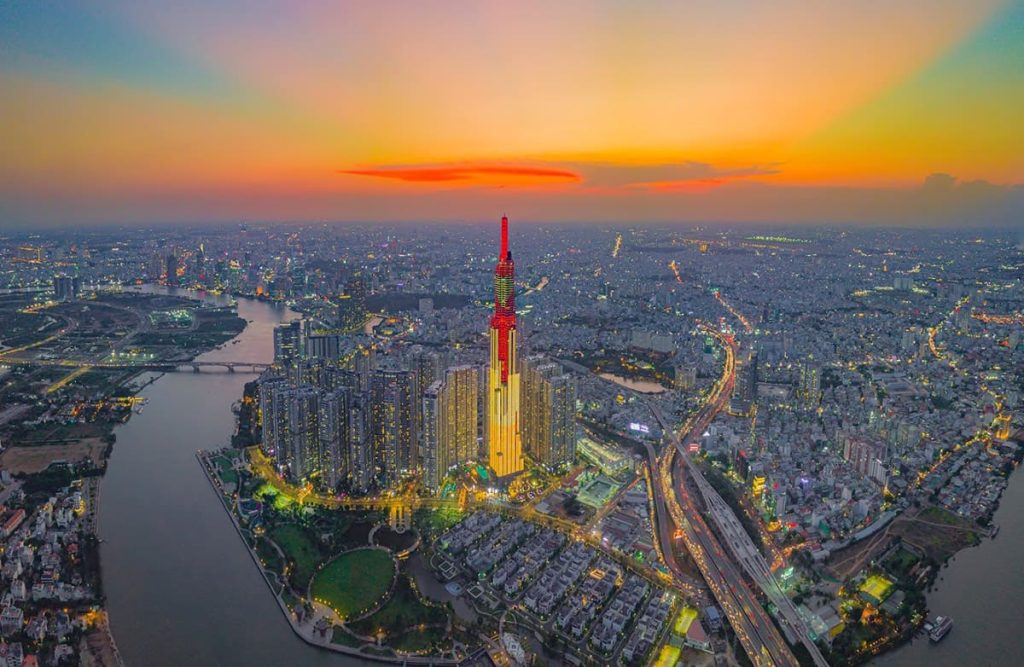
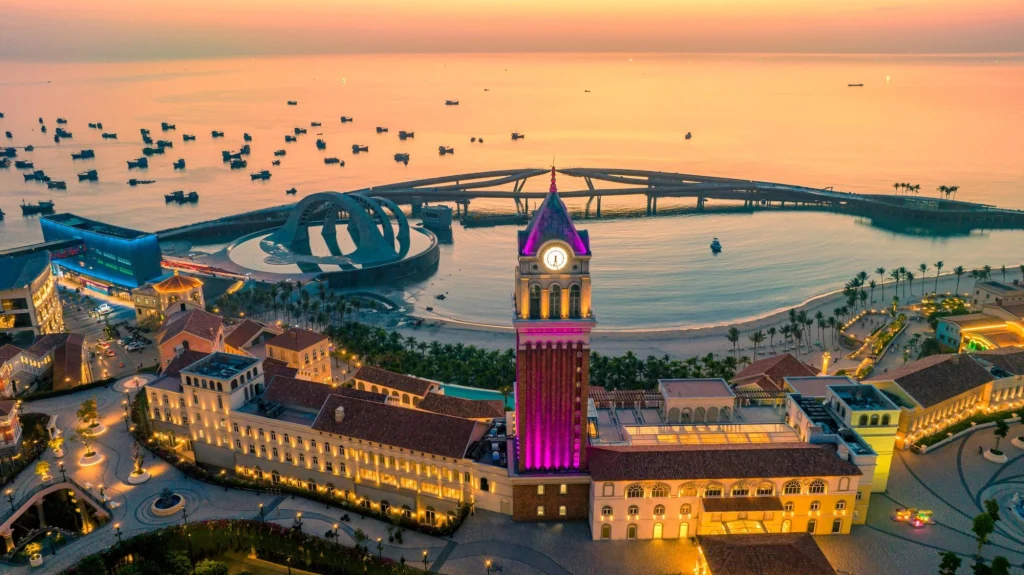
Southern Vietnam presents another side of the country entirely. Ho Chi Minh City buzzes with modern energy, rooftop bars, and world-class dining, while the Mekong Delta reveals a slower rhythm of life shaped by winding rivers, floating markets, and lush orchards. Further southwest, Phu Quoc Island has become one of Asia’s emerging beach destinations, attracting travelers seeking luxury resorts and crystal-clear waters.
What truly sets Vietnam apart, however, is not just its scenery but the warmth of its people. Visitors frequently remark on the kindness of locals, the pride they take in sharing their culture, and the genuine hospitality that makes exploring the country such a rewarding experience.
When Should You Start Planning?
One of the biggest mistakes travelers make is leaving their planning until the last minute.
Although Vietnam is easy to visit throughout the year, flights, accommodation, cruises, and popular attractions can become fully booked during peak travel periods such as Christmas, New Year, Lunar New Year (Tet), and major school holidays.
Ideally, international travelers should begin planning their trip three to six months before departure.
This gives you enough time to compare flight prices, monitor hotel promotions, apply for visas if required, and secure reservations for experiences that often sell out, including overnight cruises in Ha Long Bay and luxury beachfront resorts in Phu Quoc.
Early planning also allows you to build a more efficient itinerary, reducing unnecessary domestic flights and long travel days.
How Many Days Do You Need in Vietnam?
One of the most frequently asked questions is how much time should be allocated for a first visit.
The answer depends largely on your interests and travel style, but many visitors underestimate the country’s size.
Vietnam stretches more than 1,600 kilometers from north to south, meaning that traveling between regions often requires domestic flights or overnight trains.
A Short Escape: 5 to 7 Days
If you have less than a week, avoid trying to see the entire country.
Instead, choose one region and explore it thoroughly.
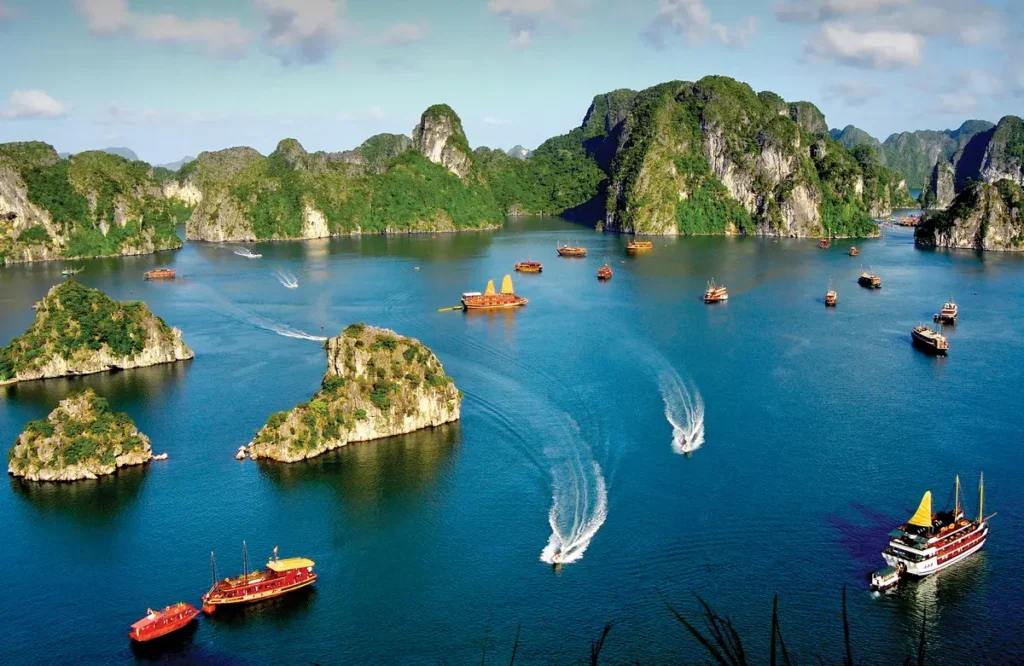
Northern Vietnam is ideal for combining Hanoi, Ha Long Bay, and Ninh Binh.
Central Vietnam offers an excellent mix of beaches, culture, and history through Da Nang, Hoi An, and Hue.
Southern Vietnam allows visitors to experience Ho Chi Minh City, the Mekong Delta, and nearby coastal destinations.
Focusing on one region creates a far more enjoyable holiday than spending every other day in airports.
The Ideal First Trip: 10 to 12 Days
For most international travelers, ten to twelve days strikes the perfect balance.
This timeframe allows you to experience Vietnam’s diversity without feeling constantly rushed.
A classic itinerary might include:
Hanoi
Ha Long Bay
Ninh Binh
Hoi An
Da Nang
Ho Chi Minh City
This route introduces visitors to Vietnam’s history, cuisine, natural beauty, beaches, and modern urban life while keeping travel times manageable.
The Complete Experience: Two to Three Weeks
With two or three weeks available, travelers gain much greater flexibility.
Additional destinations such as Sapa, Ha Giang, Hue, Phong Nha, the Mekong Delta, or Phu Quoc can be comfortably included without sacrificing time at each location.
Rather than ticking off every famous attraction, consider spending more time experiencing local culture. Slow travel often creates the most memorable experiences.
Understanding Vietnam’s Geography
Planning becomes much easier once you understand how Vietnam is organized geographically.
The country is commonly divided into three major regions.
Northern Vietnam is home to dramatic mountain landscapes, ethnic minority communities, historical landmarks, and cooler seasonal weather.
Central Vietnam features imperial heritage, UNESCO-listed towns, long beaches, and spectacular coastal scenery.
Southern Vietnam combines vibrant metropolitan life, tropical islands, fertile river deltas, and year-round warm temperatures.
Each region feels almost like a different country, making Vietnam an ideal destination for travelers who enjoy variety within a single journey.
Choosing the Best Time to Visit
Unlike destinations with a single climate, Vietnam experiences different weather patterns across its three regions.
This surprises many first-time visitors.
It is entirely possible to enjoy sunny beaches in Da Nang while northern Vietnam experiences cool winter mornings or to encounter afternoon tropical showers in Ho Chi Minh City while central Vietnam enjoys clear blue skies.
Generally speaking, spring between March and April is considered one of the best periods to explore much of the country, thanks to comfortable temperatures and relatively stable weather.
Autumn, particularly October and November, offers beautiful conditions in northern Vietnam, while southern destinations such as Ho Chi Minh City and Phu Quoc are at their best during the dry season from December through April.
Understanding these regional differences will help you build a smarter itinerary rather than assuming weather conditions are the same nationwide.
Independent Travel or Organized Tours?
Vietnam is one of the easiest countries in Southeast Asia to explore independently. Domestic flights are affordable, transportation is well developed, and accommodation options suit almost every budget.
However, planning a multi-city journey can still be time-consuming. Coordinating airport transfers, accommodation, domestic transportation, cruises, and local experiences often requires booking through multiple providers.
Many first-time visitors choose a combination of independent travel and professionally arranged services. For example, you might book your international flights yourself while relying on an experienced local company such as Vietnam Tourist to organize private transfers, regional tours, or a customized itinerary. This approach offers greater flexibility while reducing logistical challenges, particularly for families, couples, or travelers with limited vacation time.
Understanding Vietnam’s Visa Requirements
One of the first practical steps in planning your Vietnam adventure is checking whether you need a visa.
Vietnam has made international travel significantly more convenient in recent years by expanding its electronic visa program and offering visa exemptions for citizens of selected countries. However, visa policies may change over time, so it’s always worth confirming the latest requirements before booking your flights.
If you’re eligible for a Vietnam eVisa, the application process is straightforward and completed entirely online. Most travelers receive approval within a few working days, although applying at least two or three weeks before departure provides additional peace of mind.
Regardless of your nationality, your passport should generally remain valid for at least six months beyond your planned arrival date.
It’s also wise to keep both printed and digital copies of your passport, visa approval, travel insurance, hotel reservations, and return flight confirmation. Having these documents readily available can make immigration procedures much smoother.
Booking Flights Wisely
Vietnam has three primary international gateways.
Noi Bai International Airport in Hanoi serves northern Vietnam.
Da Nang International Airport is the main gateway to central Vietnam.
Tan Son Nhat International Airport in Ho Chi Minh City handles the largest number of international flights and serves southern Vietnam.
Whenever possible, avoid booking return flights from the same city if you intend to travel the length of the country.
Flying into Hanoi and departing from Ho Chi Minh City or the other way around-allows you to travel in one direction without backtracking, saving both time and money.
Domestic airlines operate frequent connections between major cities, making it easy to include multiple regions within one holiday.
Getting Around Vietnam
Transportation is one of the easiest aspects of traveling in Vietnam.
Domestic Flights
For long distances, flying is by far the fastest option.
Flights between Hanoi, Da Nang, Ho Chi Minh City, Phu Quoc, and other major cities are frequent and generally affordable when booked in advance.
Trains
Vietnam’s north-south railway offers one of the country’s most scenic travel experiences.
Although slower than flying, train journeys provide comfortable seating, sleeping cabins, and beautiful coastal views.
The railway is particularly popular among travelers who prefer a more relaxed pace.
Private Transfers
Private vehicles offer maximum comfort, particularly for families, couples, and small groups.
They also make it easier to stop at scenic viewpoints, local villages, or lesser-known attractions that public transportation often bypasses.
Many international visitors choose customized transportation arranged by experienced local operators such as Vietnam Tourist, especially when traveling between destinations like Hue and Hoi An, or Hanoi and Ninh Binh, where flexible schedules greatly enhance the experience.
Ride-Hailing Services
Grab is widely available in Vietnam’s major cities and has become the preferred option for many travelers.
It offers transparent pricing, convenient cashless payment options, and eliminates language barriers when giving directions.
Choosing Accommodation
Vietnam offers accommodation for virtually every budget.
Luxury travelers will find internationally branded hotels alongside boutique resorts overlooking private beaches.
Mid-range visitors can enjoy stylish boutique hotels, many featuring rooftop pools, spa facilities, and excellent breakfast options.
Budget travelers have access to an impressive selection of clean hostels, guesthouses, and family-run homestays.
Location often matters more than hotel rating.
Staying within walking distance of major attractions can significantly reduce transportation costs while allowing you to experience local neighborhoods more authentically.
In Hanoi, the Old Quarter remains one of the most convenient areas for first-time visitors.
In Ho Chi Minh City, District 1 provides easy access to museums, restaurants, and nightlife.
Hoi An’s Ancient Town and Da Nang’s My Khe Beach are both excellent bases, depending on whether you prefer cultural exploration or coastal relaxation.
What Should You Pack?
Packing for Vietnam depends on both the season and the regions you plan to visit.
Lightweight clothing works well throughout most of the year.
Comfortable walking shoes are essential, as many destinations are best explored on foot.
A lightweight rain jacket or compact umbrella is useful, particularly during the rainy season.
If your itinerary includes northern mountain regions such as Sapa or Ha Giang during winter, bring warmer clothing, as temperatures can become surprisingly cool.
Don’t forget essentials such as sunscreen, insect repellent, reusable water bottles, power adapters, sunglasses, and any prescription medication you may require.
Packing light also leaves more room for souvenirs, handcrafted products, and local specialties you’ll likely discover along the way.
Staying Connected
Reliable internet access is rarely a problem in Vietnam.
Most hotels, cafés, restaurants, and airports offer free Wi-Fi.
For greater convenience, purchasing a local SIM card or activating an eSIM shortly after arrival provides affordable mobile data throughout your journey.
Navigation apps, translation tools, ride-hailing services, and digital payment platforms become much easier to use with constant internet access.
Understanding Vietnamese Culture
One of the most rewarding aspects of visiting Vietnam is interacting with local communities.
Vietnamese culture places great importance on politeness, respect, and family values.
Simple gestures can leave a positive impression.
Smile when greeting people.
Dress modestly when entering temples or pagodas.
Remove your shoes when requested.
Avoid speaking loudly in religious sites.
Always ask permission before photographing local people, particularly in rural villages.
Learning just a few Vietnamese words, such as “Xin chào” (Hello) or “Cảm ơn” (Thank you), is often appreciated and can lead to warmer interactions throughout your journey.
Food in Vietnam: More Than Just Pho
One of the greatest pleasures of traveling in Vietnam is discovering its extraordinary food culture. Meals here are more than simply a way to satisfy hunger-they are an important part of daily life, family traditions, and regional identity.
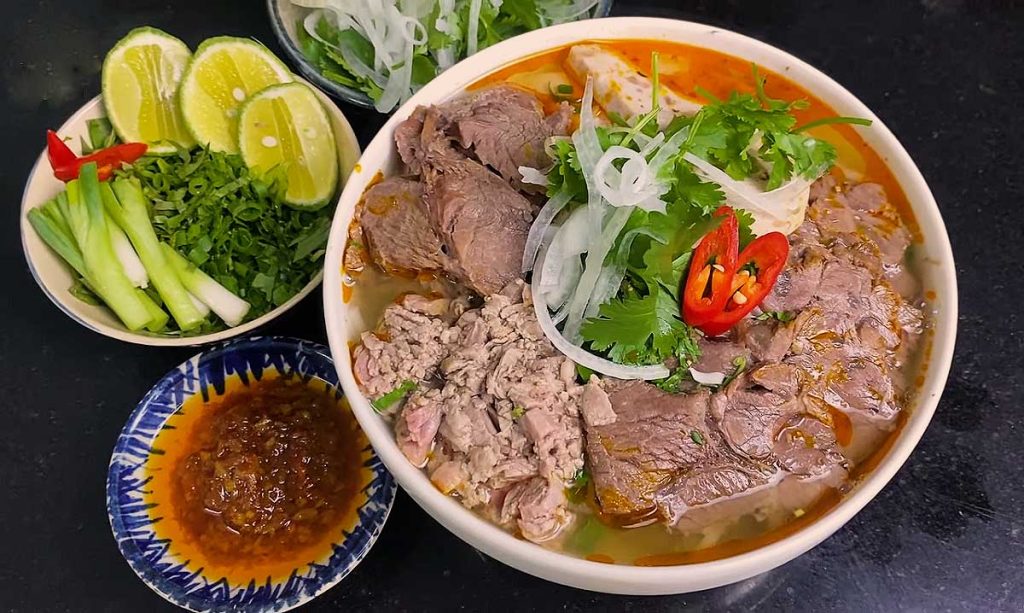
Every destination has its own signature dishes, ingredients, and cooking techniques. A bowl of pho served in Hanoi differs noticeably from one prepared in Ho Chi Minh City. Central Vietnam is famous for its bold flavors and spicy cuisine, while southern dishes often incorporate sweeter notes thanks to the abundance of tropical fruits and coconut.
Street food is where many visitors experience the true soul of Vietnamese cuisine. Tiny plastic stools lining busy sidewalks may not resemble fine dining, but they often serve recipes passed down through generations.
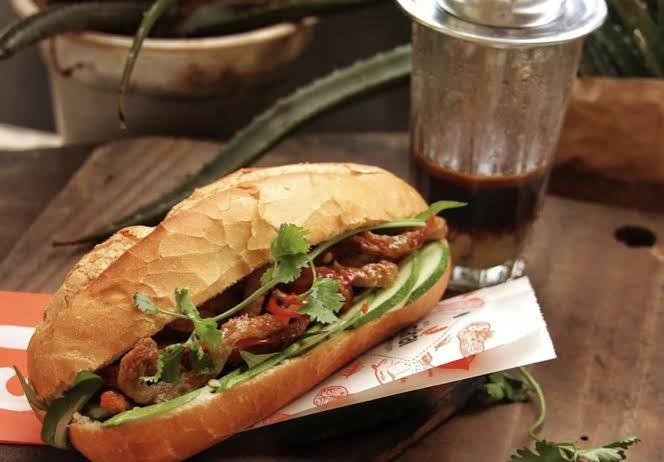
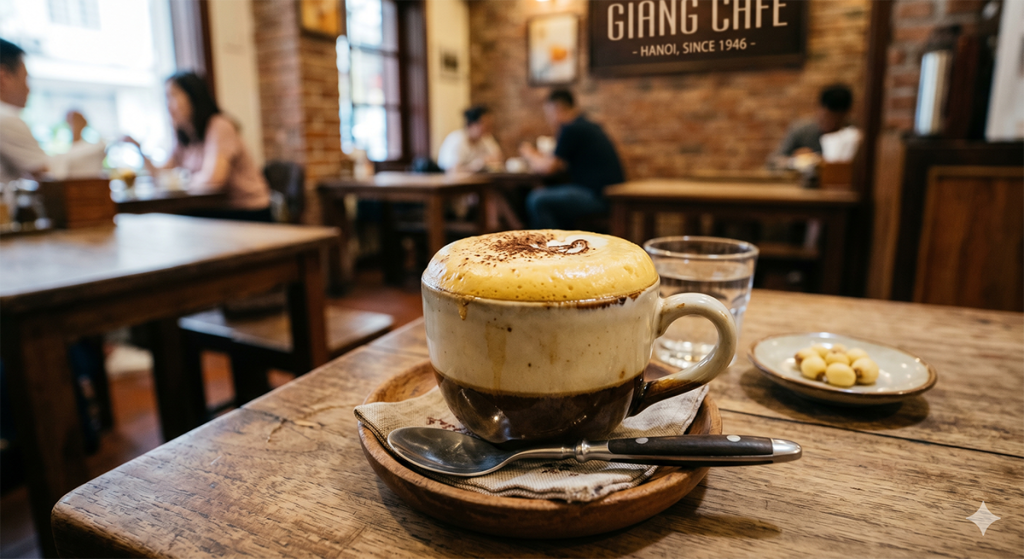
Some dishes every traveler should try include: Pho, Bun Cha, Banh Mi, Bun Bo Hue, Cao Lau, Com Tam, Fresh Spring Rolls, Egg Coffee, Vietnamese Iced Coffee, Fresh Seafood,…
Don’t hesitate to step away from tourist restaurants and explore where local residents eat. Busy restaurants filled with Vietnamese families usually indicate fresh ingredients and consistently good food.
Staying Healthy During Your Trip
Vietnam has become increasingly well equipped to support international visitors, with modern hospitals and international medical clinics available in major cities such as Hanoi, Da Nang, and Ho Chi Minh City.
Most travelers remain perfectly healthy throughout their visit by following a few simple precautions.
Drink bottled or properly filtered water instead of tap water.
Choose freshly prepared meals from busy restaurants or popular street vendors.
Wash your hands regularly or carry hand sanitizer.
Protect yourself from mosquitoes, particularly when visiting rural regions or national parks.
Bring enough prescription medication for your entire journey.
Comprehensive travel insurance is highly recommended regardless of your destination.
Although Vietnam offers affordable healthcare compared with many Western countries, insurance provides valuable protection against unexpected medical expenses or travel disruptions.
Is Vietnam Safe?
One reason international visitors often return to Vietnam is the sense of security they experience while traveling.
Violent crime involving tourists is uncommon, and Vietnam is widely considered one of the safest destinations in Asia.
Most incidents affecting visitors involve relatively minor issues such as pickpocketing, bag snatching, or taxi overcharging.
Simple precautions greatly reduce these risks.
Keep valuables secure.
Avoid displaying expensive jewelry or electronics unnecessarily.
Use reputable transportation providers.
Stay aware of your surroundings in crowded markets and tourist areas.
Keep digital copies of important travel documents stored securely online.
Solo travelers, including women, frequently describe Vietnam as a comfortable destination with friendly local communities and well-developed tourism infrastructure.
Understanding Transportation Between Destinations
Vietnam’s geography makes transportation planning especially important.
Although the country appears relatively narrow on maps, distances between major destinations can be significant.
For example:
Hanoi to Ha Long Bay takes approximately three hours by road.
Hanoi to Sapa requires around six hours by expressway or overnight train.
Da Nang and Hoi An are separated by less than one hour.
Ho Chi Minh City and the Mekong Delta can be reached within two to three hours depending on the destination.
Choosing transportation carefully helps maximize your holiday rather than spending unnecessary time in transit.
Private transfers remain an excellent option for travelers seeking flexibility, particularly when visiting attractions located between major cities.
Should You Travel Independently or Join a Tour?
Vietnam is one of Asia’s easiest countries to explore independently.
Confident travelers can organize flights, accommodation, transportation, and sightseeing without difficulty.
However, independent travel also requires considerable research.
Many first-time visitors underestimate travel times, choose inefficient routes, or miss worthwhile attractions simply because they are unfamiliar with local logistics.
A balanced approach often works best.
Many experienced travelers arrange international flights independently while booking selected day trips, cruises, or regional tours through trusted local companies.
For visitors who want to minimize planning while still enjoying flexibility, experienced operators such as Vietnam Tourist can help design customized itineraries that combine private transportation, carefully selected accommodation, knowledgeable local guides, and authentic cultural experiences without feeling like a large group tour.
Common Mistakes First-Time Visitors Make
Planning ahead allows you to avoid several mistakes that many travelers only discover after arriving.
Trying to visit too many destinations in a short period is perhaps the most common.
Vietnam deserves time.
Rather than spending every second day at an airport, slow down and appreciate each destination properly.
Another mistake is assuming the weather is identical throughout the country.
Because Vietnam stretches across several climate zones, conditions vary considerably between north, central, and south.
Packing inappropriate clothing is also common.
Travelers visiting Sapa during winter are often surprised by cool mountain temperatures, while those heading to Phu Quoc should prepare for tropical sunshine.
Many visitors exchange excessive amounts of cash before arriving.
Modern ATMs are widely available in tourist destinations, making it unnecessary to carry large sums throughout your trip.
Finally, don’t underestimate travel distances.
Although Vietnam looks narrow on a map, moving between regions requires thoughtful planning.
A Suggested First-Time Vietnam Itinerary
If this is your first visit, a balanced twelve-day itinerary offers an excellent introduction to the country.
Spend three days exploring Hanoi, wandering the Old Quarter, sampling street food, and visiting historical landmarks.
Continue to Ha Long Bay for an overnight cruise through its spectacular limestone islands.
Travel onward to Ninh Binh for peaceful boat rides among dramatic karst landscapes.
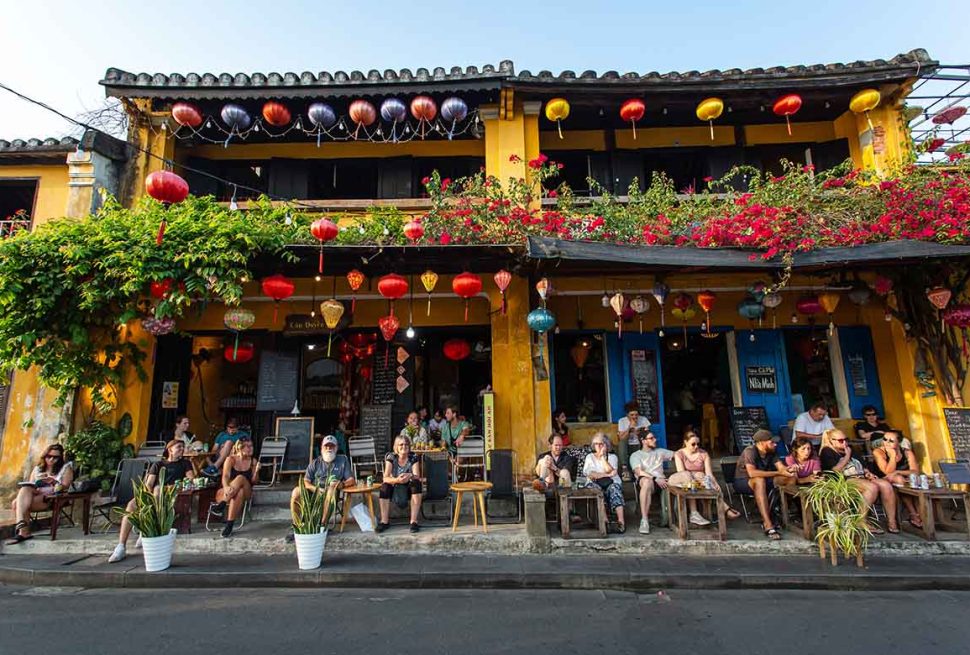
Fly to Da Nang before continuing to nearby Hoi An, where colorful lanterns illuminate the ancient streets each evening.
Finish your journey in Ho Chi Minh City, discovering its fascinating history, vibrant nightlife, and outstanding culinary scene.
This itinerary combines Vietnam’s most iconic destinations while maintaining a comfortable pace.
Planning Checklist Before You Fly
Before leaving home, take a few moments to confirm that everything is ready.
Check your passport validity.
Confirm visa requirements.
Purchase travel insurance.
Book accommodation.
Reserve domestic flights if necessary.
Download Grab and offline maps.
Arrange a local SIM card or eSIM.
Notify your bank of international travel.
Prepare some Vietnamese Dong for initial expenses.
Keep both printed and digital copies of important documents.
A little preparation now can prevent unnecessary stress later.
Frequently Asked Questions
How far in advance should I plan my trip to Vietnam?
Booking flights and accommodation three to six months before departure generally provides the best balance between availability and pricing, particularly during peak travel seasons.
Is Vietnam suitable for family holidays?
Absolutely. Vietnam offers family-friendly resorts, cultural attractions, beaches, theme parks, and outdoor activities suitable for children of all ages.
Can I travel around Vietnam without speaking Vietnamese?
Yes. English is widely spoken in hotels, airports, restaurants, and tourist attractions. Translation apps can also help in more rural areas.
Is Vietnam expensive compared with other Asian countries?
Vietnam continues to offer excellent value for money and remains one of the most affordable destinations in Asia for accommodation, food, transportation, and guided experiences.
What’s the best way to organize a multi-city itinerary?
For shorter holidays, combining independent travel with local expertise often produces the best results. Companies like Vietnam Tourist can assist with transportation, accommodation, and route planning while still allowing travelers to explore each destination at their own pace.
Final Thoughts
Planning a trip to Vietnam is about much more than booking flights and hotels. It’s about creating a journey that reflects your interests, travel style, and sense of adventure.
Whether you dream of sailing through the emerald waters of Ha Long Bay, wandering ancient streets in Hoi An, hiking among mountain villages in Sapa, tasting unforgettable street food in Hanoi, or watching the sunset over the beaches of Phu Quoc, Vietnam offers experiences that remain with travelers long after they return home.
The country’s diversity is one of its greatest strengths. Every region reveals a different landscape, a different cuisine, and a different story. Rather than rushing from one attraction to the next, allow yourself time to connect with local culture, enjoy spontaneous moments, and discover the everyday charm that makes Vietnam such a remarkable destination.
With thoughtful planning, realistic expectations, and a spirit of curiosity, your first journey to Vietnam is unlikely to be your last. Many visitors arrive expecting a single vacation and leave already planning their return.
Vietnam Tourist – Your Journey, Our Passion