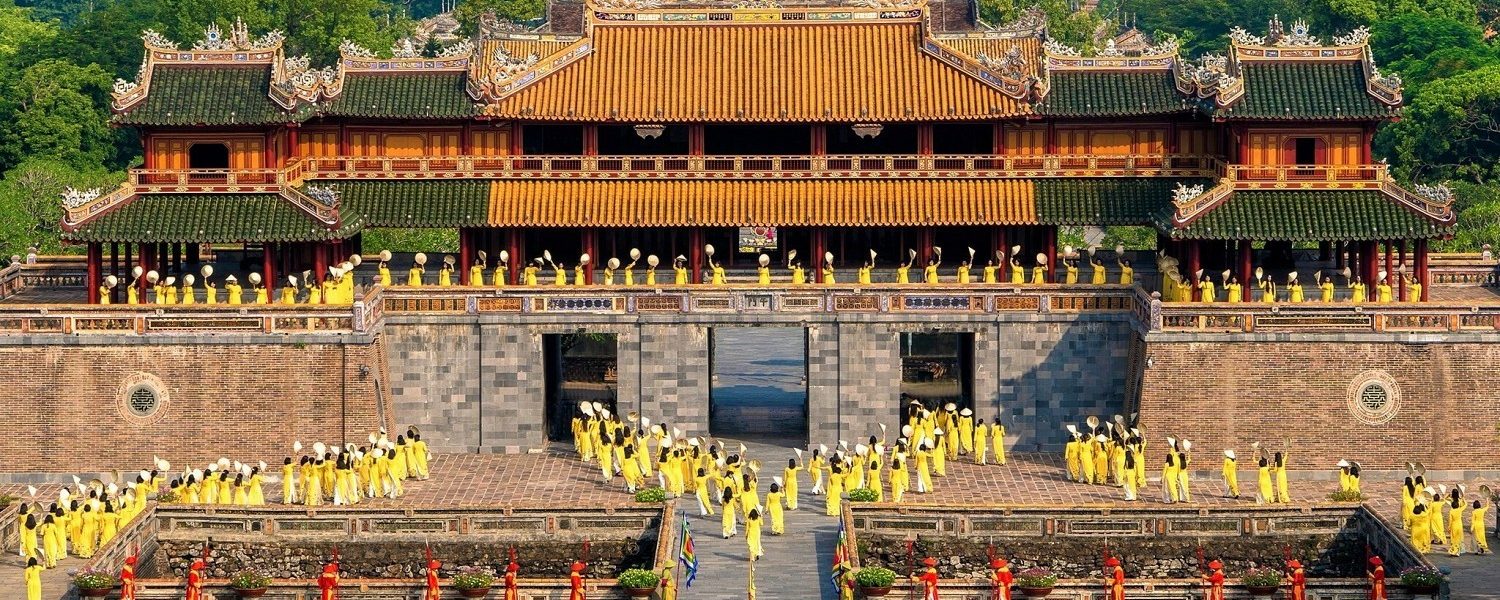
Vietnam is home to some of Southeast Asia’s most remarkable cultural and natural treasures. From breathtaking limestone islands and ancient trading ports to imperial palaces and spectacular cave systems, the country boasts a collection of UNESCO World Heritage Sites that showcase its rich history and extraordinary landscapes.
If you’re planning your first trip to Vietnam, including several UNESCO-listed destinations in your itinerary is one of the best ways to experience the country’s diversity. Each site tells a different story and offers a unique perspective on Vietnam’s heritage.
Here are the UNESCO World Heritage Sites every traveler should know before visiting Vietnam.
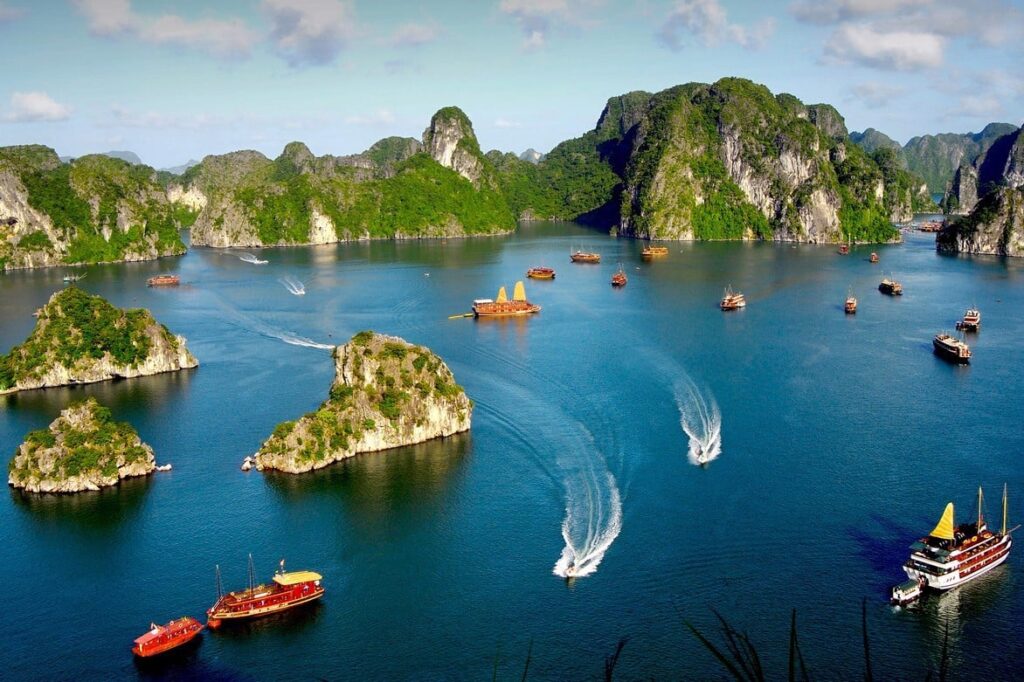
Ha Long Bay
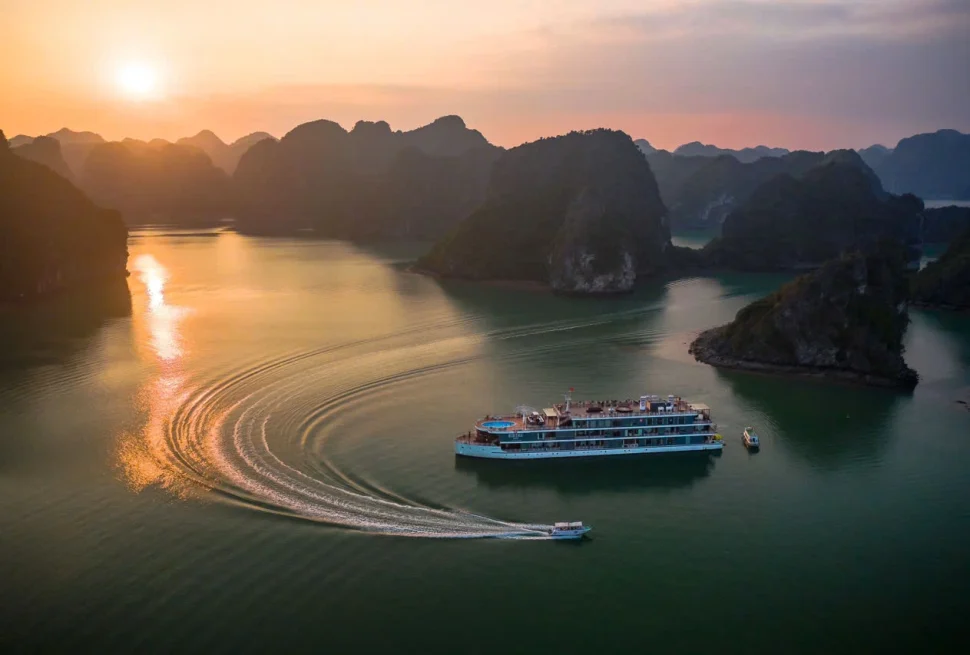
Located in northeastern Vietnam, Ha Long Bay is perhaps the country’s most iconic natural attraction. Thousands of limestone islands rise dramatically from emerald waters, creating one of the world’s most recognizable seascapes.
The best way to experience Ha Long Bay is on an overnight cruise, where visitors can kayak through hidden lagoons, explore limestone caves, enjoy fresh seafood, and watch unforgettable sunrises and sunsets over the bay.
The ideal time to visit is between October and April, when the weather is cooler and skies are generally clearer.
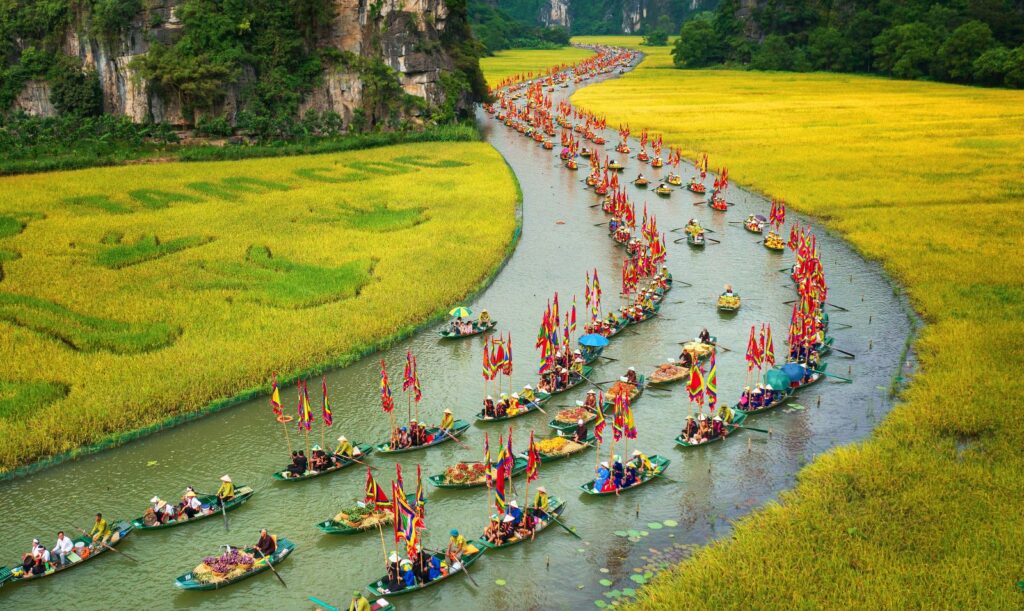
Trang An Landscape Complex
Often called “Ha Long Bay on Land,” Trang An in Ninh Binh combines limestone mountains, peaceful rivers, ancient temples, and rice fields into one spectacular landscape.
A traditional sampan boat ride through caves and winding waterways is the highlight of any visit. The area is also perfect for cycling, photography, and exploring nearby attractions such as Hoa Lu Ancient Capital and Mua Cave.
Trang An is especially beautiful during the rice harvest season when the valleys turn brilliant shades of green and gold.
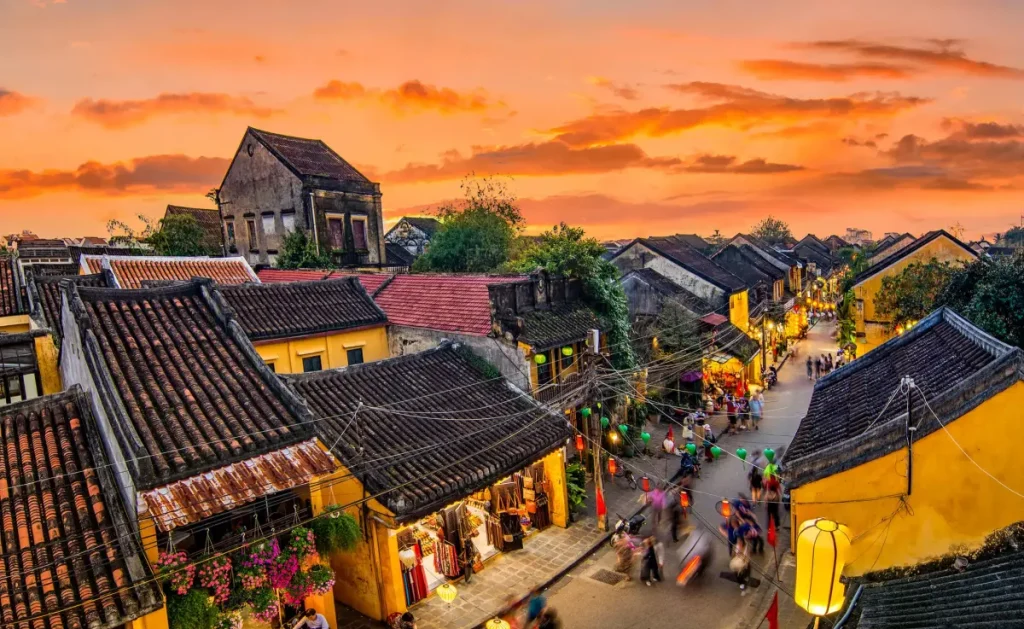
Hoi An Ancient Town
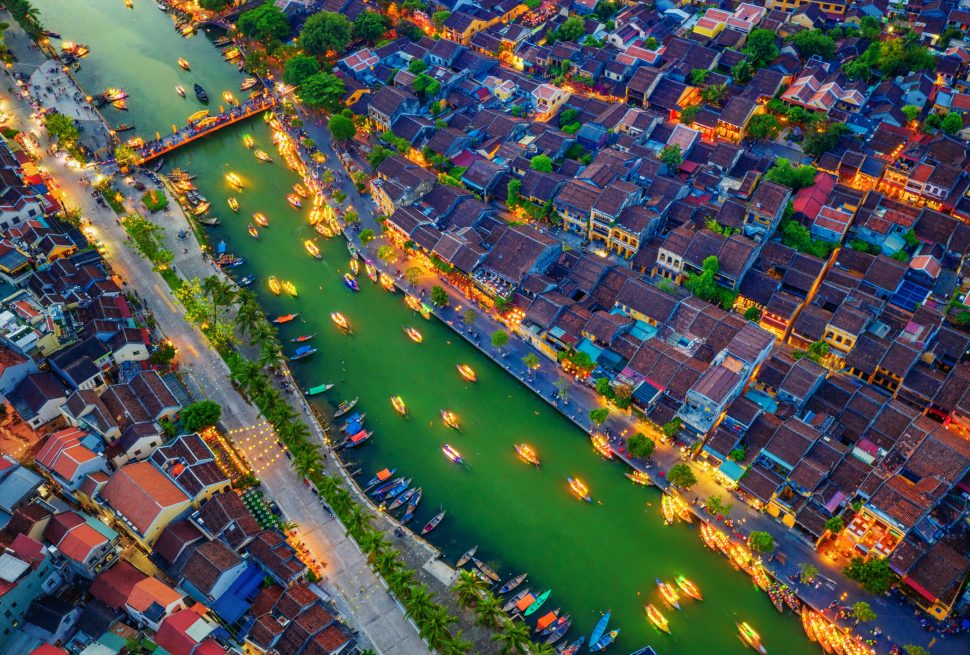
Hoi An is one of Vietnam’s most charming destinations and one of the best-preserved trading ports in Southeast Asia.
Its narrow streets are lined with yellow colonial buildings, wooden merchant houses, lantern-filled alleyways, riverside cafés, and tailor shops.
Visitors can explore the Japanese Covered Bridge, join cooking classes, cycle through the surrounding countryside, or simply enjoy the magical atmosphere after sunset when thousands of lanterns illuminate the old town.
Hue Complex of Monuments
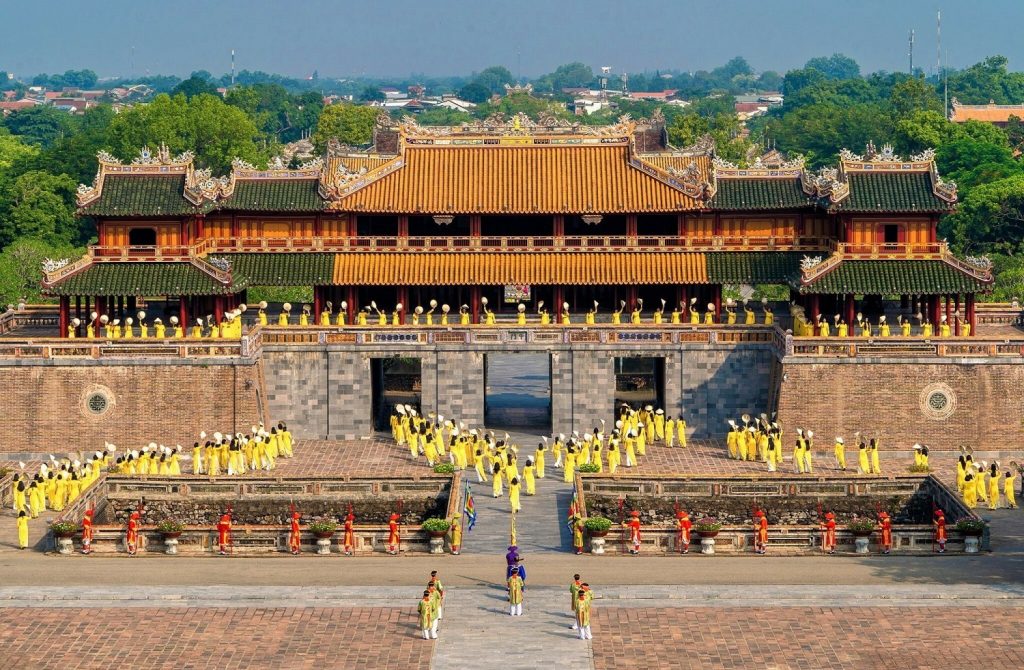
Once the capital of the Nguyen Dynasty, Hue preserves Vietnam’s imperial history better than anywhere else in the country.
The Imperial Citadel, royal tombs, ancient pagodas, and historic temples provide fascinating insights into the country’s final royal dynasty.
A boat trip along the Perfume River offers another perspective on this historic city while connecting several of its most important cultural landmarks.
My Son Sanctuary
Hidden in a lush valley near Hoi An, My Son Sanctuary was once the religious center of the ancient Champa Kingdom.
The red-brick temple towers, many dating back more than a thousand years, reveal a unique architectural style influenced by Hindu civilization.
Visiting early in the morning allows travelers to avoid the heat while enjoying traditional Cham dance performances.

Phong Nha – Ke Bang National Park
Home to some of the world’s largest and most impressive caves, Phong Nha – Ke Bang National Park is a paradise for nature lovers and adventure travelers.
Popular attractions include Paradise Cave, Phong Nha Cave, Dark Cave, and Son Doong, the world’s largest cave.
Beyond caving, visitors can enjoy jungle trekking, river kayaking, wildlife watching, and cycling through peaceful rural villages.

Thang Long Imperial Citadel
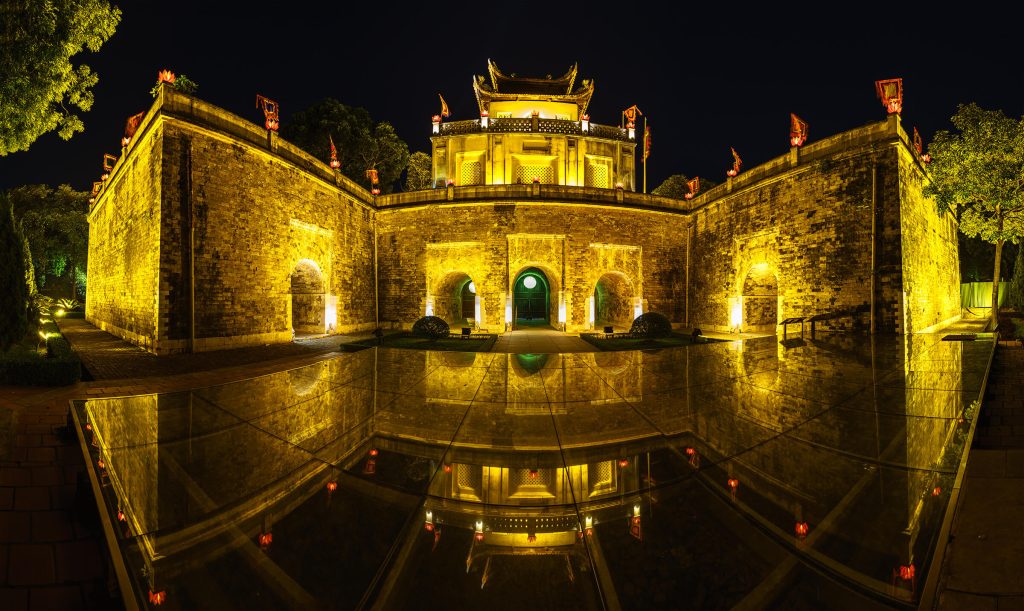
Located in the heart of Hanoi, the Thang Long Imperial Citadel represents more than 1,000 years of Vietnamese history.
Archaeological discoveries reveal the remains of ancient palaces, royal foundations, and military structures from several dynasties.
Its central location makes it easy to combine with other attractions in Hanoi’s Old Quarter.
Citadel of the Ho Dynasty
Although less visited than Vietnam’s other UNESCO sites, the Citadel of the Ho Dynasty in Thanh Hoa Province is an impressive example of medieval stone architecture.
Built in the 14th century using enormous limestone blocks, it demonstrates remarkable engineering techniques that continue to impress historians today.
Travelers looking to explore destinations beyond the traditional tourist route will appreciate its historical significance and peaceful surroundings.

Which UNESCO Sites Should First-Time Visitors Prioritize?
If your time is limited, consider visiting Ha Long Bay, Trang An, Hoi An Ancient Town, and Hue. Together, these destinations provide an excellent introduction to Vietnam’s natural beauty, cultural heritage, and architectural history.
Travelers with two weeks or more can easily include My Son Sanctuary and Phong Nha – Ke Bang National Park, while history enthusiasts may also enjoy visiting the Thang Long Imperial Citadel and the Citadel of the Ho Dynasty.
Tips for Visiting UNESCO Sites
Many UNESCO attractions are popular throughout the year, so arriving early in the morning often provides a quieter experience and better lighting for photography.
Wear comfortable walking shoes, carry drinking water, and respect local conservation rules by avoiding littering or touching fragile historical structures.
Combining nearby UNESCO sites, such as Hue with Hoi An or Trang An with Hanoi, can also help reduce travel time and create a more balanced itinerary.
If you’re planning to visit several UNESCO destinations during one trip, experienced local operators such as Vietnam Tourist can help organize efficient routes, transportation, and guided experiences that allow you to make the most of your time in Vietnam.
Final Thoughts
Vietnam’s UNESCO World Heritage Sites represent the country’s incredible diversity, from spectacular natural wonders and ancient kingdoms to imperial architecture and timeless cultural traditions.
Whether you’re cruising through the limestone islands of Ha Long Bay, wandering the lantern-lit streets of Hoi An, discovering the underground world of Phong Nha, or exploring the royal history of Hue, these remarkable places offer unforgettable experiences that deserve a place on every Vietnam itinerary.
Vietnam Tourist – Your Journey, Our Passion