Nguyen Cong Vinh, Vice Chairman of the municipal People’s Committee, said tourism programmes combining air travel, trade, shopping, conferences, exhibitions, resorts, entertainment and cultural experiences should form an integrated service chain, increasing added value while extending visitors’ stays and boosting their spending. The tourism sector must strengthen resource sharing and work together to develop interconnected products capable of competing at both national and international levels.
Ho Chi Minh City In Full Day Exploration
Ho Chi Minh City (VNA) – As an important international gateway to Vietnam and an increasingly attractive destination for foreign visitors, Ho Chi Minh City’s tourism sector is stepping up efforts to spearhead tourism promotion, tap the potential of key international markets and improve the quality of tourism products and destination services.
Tapping the potential of key markets
In 2026, the southern metropolis aims to host 11 million international visitors and 50 million domestic tourists, generating total tourism revenue of 330 trillion VND, equivalent to around 12.57 billion USD. In the first seven months of 2026, it welcomed more than 7.1 million international visitors, fulfilling around 64.9% of its annual target, and over 31 million domestic tourists, or approximately 63.4% of the target. Tourism revenue reached 237.466 trillion VND, equivalent to around 9.06 billion USD, or 72% of the annual target.
Pham Huy Binh, Director of the municipal Department of Tourism, said the results demonstrated the destination’s strong appeal while highlighting considerable room for further growth, particularly in key international markets.
Saigon & Mekong Experience
Australia is one of the city’s important, stable and high-value source markets. Between January and July, 253,104 Australian tourists visited Ho Chi Minh City, ranking fifth among its top 20 international source markets and accounting for around 63.8% of Australian visitors to Vietnam.
Australian tourists tend to have high spending power and seek experiences connected with local culture, cuisine, history, urban life, beach resorts, ecotourism and responsible tourism. These are also areas in which the city is focusing on developing and upgrading its tourism products.
According to Binh, the local tourism sector can offer experiences catering to a wide range of visitor segments, particularly those seeking in-depth experiences and high-quality services. With its expanded development space, Ho Chi Minh City hopes to work with Australian partners to create new travel itineraries that go beyond urban experiences and combine different forms of tourism within a single trip.
Recently, digital travel platform Agoda published a ranking of European travellers’ interest in Asian destinations for summer 2026. It showed that Da Nang and Ho Chi Minh City remained the two most-searched Vietnamese destinations among European travellers for the second consecutive year. Ho Chi Minh City, in particular, appeals to those seeking vibrant urban experiences, cultural discovery and a rich culinary scene.
Improving destination services
Nguyen Cong Vinh, Vice Chairman of the municipal People’s Committee, said tourism programmes combining air travel, trade, shopping, conferences, exhibitions, resorts, entertainment and cultural experiences should form an integrated service chain, increasing added value while extending visitors’ stays and boosting their spending. The tourism sector must strengthen resource sharing and work together to develop interconnected products capable of competing at both national and international levels.
According to Nguyen Cam Tu, Director of the municipal Tourism Promotion Centre, the agency and the local arts centre have signed a memorandum of understanding for 2026-2030 to enhance the effectiveness of promoting the city’s image through cultural tourism, the cultural industry and creative industries.
The two sides will jointly develop tourism products linked to performing arts, cultural heritage, creative spaces and distinctive city events, with the aim of diversifying visitor experiences, attracting more domestic and international tourists and enhancing the destination’s competitiveness.
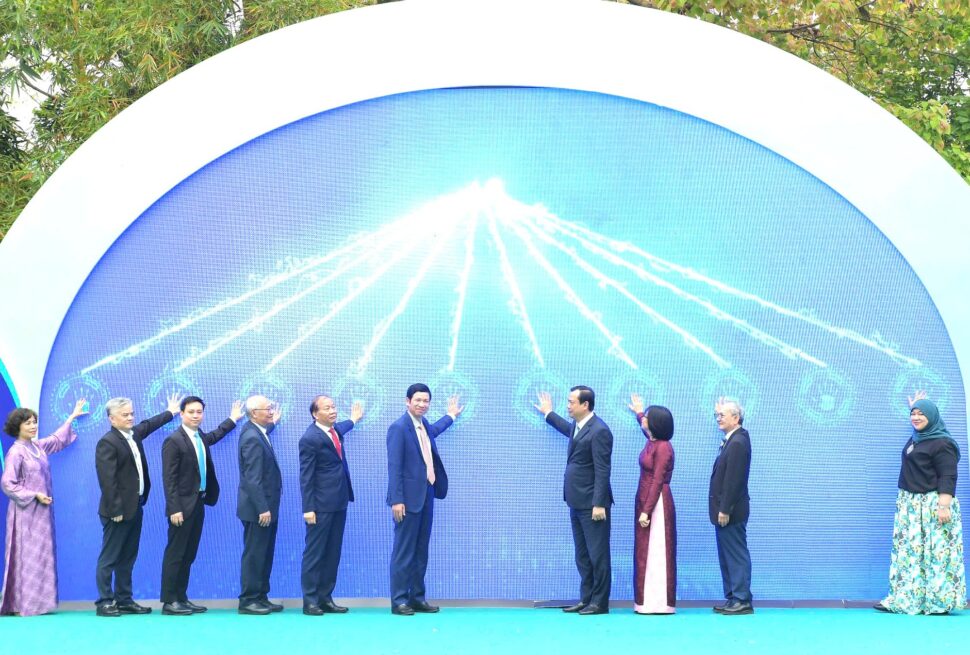
Recently, the Ho Chi Minh City Museum and the War Remnants Museum, in coordination with relevant agencies, launched a “heritage passport” initiative, connecting heritage, technology and tourism experiences. Under the scheme, visitors can use the speacial “passport” to explore a journey across multiple museums rather than visiting individual sites separately. The system also records the places visitors have visited, turning each passport into a “digital diary” of their cultural discovery journey./.
VNA