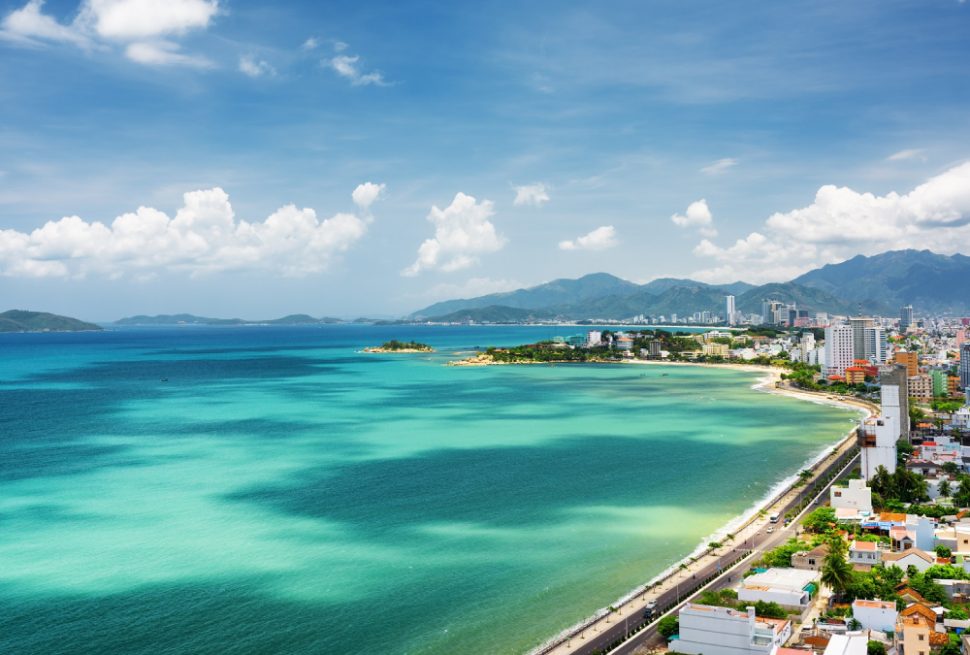
Vietnam is often described as a year-round destination, and that is true to an extent. You can travel somewhere in the country in every month of the year. The catch is that Vietnam stretches more than 1,600 km from north to south, so the weather in Hanoi can be completely different from the weather in Ho Chi Minh City on the same day.
That makes the question “When is the best time to visit Vietnam?” a little misleading. A better question is: Which part of Vietnam are you visiting, and what kind of weather do you want?
Here is a practical month-by-month guide to help you plan around Vietnam’s three main regions.
Vietnam Weather at a Glance
| Month | North Vietnam | Central Vietnam | South Vietnam |
|---|---|---|---|
| January | Cool, dry | Mild to cool, some rain | Warm, mostly dry |
| February | Cool to mild, dry | Mild, improving | Warm, dry |
| March | Mild, pleasant | Warm, mostly dry | Hot, mostly dry |
| April | Warm, generally dry | Hot, sunny | Hot, humid |
| May | Hot, humid, occasional rain | Hot, rain increasing | Hot, rainy season begins |
| June | Hot, humid, frequent rain | Hot, generally sunny | Hot, humid, frequent rain |
| July | Hot, humid, rainy | Hot, occasional rain | Hot, wet |
| August | Hot, humid, rainy | Hot, humid, more rain | Hot, wet |
| September | Warm, humid, rainy | Rainy, storm risk | Hot, rainy |
| October | Cooler, rain easing | Rainy, especially later | Warm, wet |
| November | Cool and dry | Rain gradually easing | Warm, mostly dry |
| December | Cool, often dry | Mild, generally drier | Warm, dry |
This is a general guide rather than a fixed forecast. Vietnam’s weather can vary from year to year, and conditions can also change considerably between coastal areas and inland or mountainous destinations.

North Vietnam: Hanoi, Ha Long Bay and Sapa
Northern Vietnam has the clearest seasonal changes in the country. Winters can feel surprisingly cool, particularly in Hanoi and the mountains, while summer is hot, humid and rainy.
January to February
January and February are among the coolest months in the north. Hanoi can feel chilly, especially in the mornings and evenings, while Sapa and other mountain areas are considerably colder.
Rain and low cloud can also affect northern destinations. Ha Long Bay cruises may still operate, but visibility is not always ideal.
The weather is usually more comfortable for city sightseeing than for beach activities.

March to April
This is one of the more pleasant periods for exploring northern Vietnam. Temperatures become milder, rain is generally manageable, and outdoor sightseeing becomes easier.
Hanoi is particularly enjoyable for walking around the Old Quarter, visiting historical sites and trying local food. Ha Long Bay and Ninh Binh are also good additions to a spring itinerary.
April starts to feel warmer, especially toward the end of the month.

May to August
Summer in northern Vietnam is hot and humid, with frequent rain and occasional storms. Temperatures can rise well above 30°C.
The rain does not necessarily mean it will rain all day. You may still have clear periods between showers, but travelers should expect more unpredictable conditions.
For Sapa, summer brings greener mountain scenery and rice terraces, although heavy rain can sometimes affect trekking conditions.

September to October
September can still be wet, but conditions usually begin to improve toward the end of the month.
October is one of the more comfortable months for northern Vietnam. Temperatures become milder, humidity drops and outdoor activities are generally more enjoyable.
For travelers planning Hanoi, Ninh Binh, Ha Long Bay and Sapa in one trip, October is particularly convenient.

November to December
November is generally cool and dry, making it another strong month for exploring the north.
December becomes cooler, especially in Hanoi, Sapa and Ha Giang. The mountains can be cold, but the drier weather is often good for sightseeing.
If you prefer cooler temperatures rather than tropical heat, this period can be a good fit.

Central Vietnam: Hue, Da Nang, Hoi An and Phong Nha
Central Vietnam has a different weather pattern from both the north and south. The region is generally hot from late spring through summer, while the wetter season tends to arrive later in the year.
January to February
Central Vietnam is usually mild to warm during these months. Hue and Hoi An can still experience cloudy or rainy days, but conditions gradually improve as February progresses.
Da Nang is often slightly more comfortable for outdoor activities toward the end of this period.
March to April
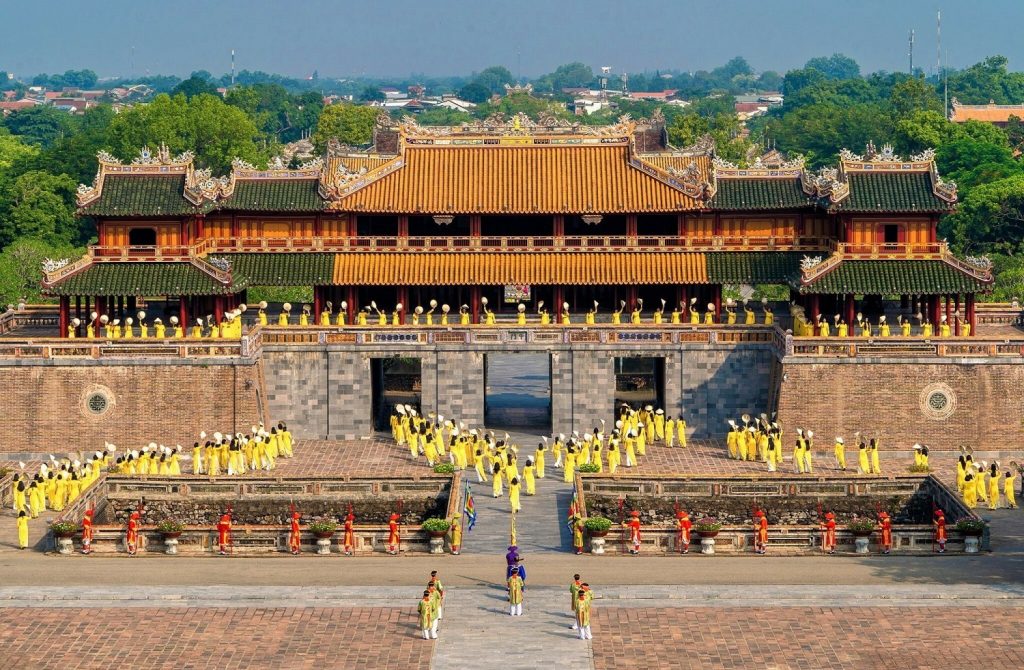
March and April are generally good months for visiting Central Vietnam.
Hoi An is pleasant for walking and exploring the old town, while Hue is suitable for visiting its imperial sites without the intense summer heat.
By April, temperatures are noticeably warmer, but the weather is often relatively dry.

May to August
These are some of the hottest months in Central Vietnam.
Da Nang and Hoi An can be very hot during the daytime, but the period is also popular for beach holidays. If you are comfortable with high temperatures, this can be a good time to combine cultural sightseeing with time by the sea.
Phong Nha is also possible during summer, although outdoor activities can be tiring during the hottest part of the day.

September to November
This is the wetter period in much of Central Vietnam.
Rain becomes more frequent from September, with October and November often seeing heavier rainfall. Hue and Hoi An can be affected by storms and flooding, particularly during periods of prolonged rain.
Travel plans during these months should allow some flexibility. Weather-related changes can occasionally affect road transfers, sightseeing and river activities.
December
December can still bring rain, particularly in Hue and Hoi An, but conditions often begin to settle compared with the peak rainy months.
It is not the safest month to choose if your priority is consistently sunny beach weather, but it can still work for a broader cultural trip.
South Vietnam: Ho Chi Minh City, Mekong Delta and Phu Quoc
Southern Vietnam is tropical throughout the year, with two broad seasons: a drier period and a wetter period.
Temperatures remain warm, even during the cooler months.
January to April
This is generally the driest period in the south.
Ho Chi Minh City is hot, but rain is usually limited. The Mekong Delta is also convenient to visit, and Phu Quoc generally enjoys favorable beach conditions.
February and March are particularly comfortable for combining city sightseeing, the Mekong Delta and island time.
By April, temperatures can become very high.

May to October
The rainy season becomes established across the south.
Rain often comes as a heavy afternoon or evening shower rather than continuous rain throughout the day. Mornings can still be bright and suitable for sightseeing.
However, travelers should allow extra flexibility for outdoor excursions, especially during periods of heavy rain.
Phu Quoc can be wetter and rougher during this period, so beach conditions may not be as reliable as during the dry season.

November to December
The weather generally becomes drier again from November.
December is one of the more popular months for visiting Ho Chi Minh City, the Mekong Delta and Phu Quoc, particularly for travelers looking for warm weather while much of northern Vietnam is experiencing cooler temperatures.

Which Months Are Best for a North-to-South Trip?
If you want to travel from Hanoi to Ho Chi Minh City in one trip, March to April and October to November are useful periods to consider because they can offer a reasonable balance across several regions.
However, there is no month when every destination has perfect weather.
For example:
- March–April: Northern Vietnam is comfortable, Central Vietnam is generally dry, while the South is warm and increasingly hot.
- October–November: Northern Vietnam becomes pleasant, but Central Vietnam can be rainy, particularly in October and early November.
- December–February: The South is generally warm and dry, while Northern Vietnam is cooler and Central Vietnam can still have rain.
- May–August: The north and south are hot and wet at times, while Central Vietnam can offer good beach conditions despite the heat.
The best itinerary often comes from accepting a little variation rather than trying to find perfect weather everywhere.
Best Time to Visit Vietnam by Travel Interest
Your preferred activities can also change the answer.
For sightseeing and city tours: March, April, October and November are generally comfortable across many destinations.
For beaches: January to April is a particularly useful period for Phu Quoc and southern beach destinations, while Central Vietnam is more suitable during the drier months before the late-year rains.
For trekking in Sapa: March to May and September to October are worth considering, although mountain weather can change quickly.
For Ha Long Bay: Spring and autumn often provide a good balance of temperatures and conditions, but fog and weather changes are possible at any time.
For the Mekong Delta: The region can be visited throughout the year. The experience changes with the season rather than stopping altogether during the rainy months.
So, When Should You Visit Vietnam?
There is no single “perfect” month for the whole country.
If your priority is a North-to-South Vietnam itinerary, March-April is often a practical choice for travelers who want generally favorable conditions in all three regions. October-November can also work well, although Central Vietnam requires more attention to the rain forecast.
If you are focusing on one region, you have more flexibility. Northern Vietnam has its most comfortable periods in spring and autumn; Central Vietnam is generally easier to explore during its drier months; and Southern Vietnam is particularly attractive during the dry season from roughly November through April.
For travelers who do not want to build an itinerary around weather charts, a customized Vietnam tour can make the planning much easier. Vietnam Tourist can arrange the route, domestic transportation, hotels, sightseeing and local guides around your travel dates, while adjusting the itinerary according to seasonal conditions in each region.
The important thing is not to wait for a month when every part of Vietnam has perfect weather. Choose the regions that matter most to you, understand the seasonal trade-offs, and build the itinerary around them.
Vietnam Tourist – Your Journey, Our Passion