(TITC) – Recently, the Ministry of Foreign Affairs, in coordination with the Ministry of Culture, Sports and Tourism and the People’s Committee of Khanh Hoa Province, organised the Vietnam Halal Tourism Conference 2026 in the coastal city of Nha Trang under the theme “Vietnam – A New Destination for Halal Tourism.”
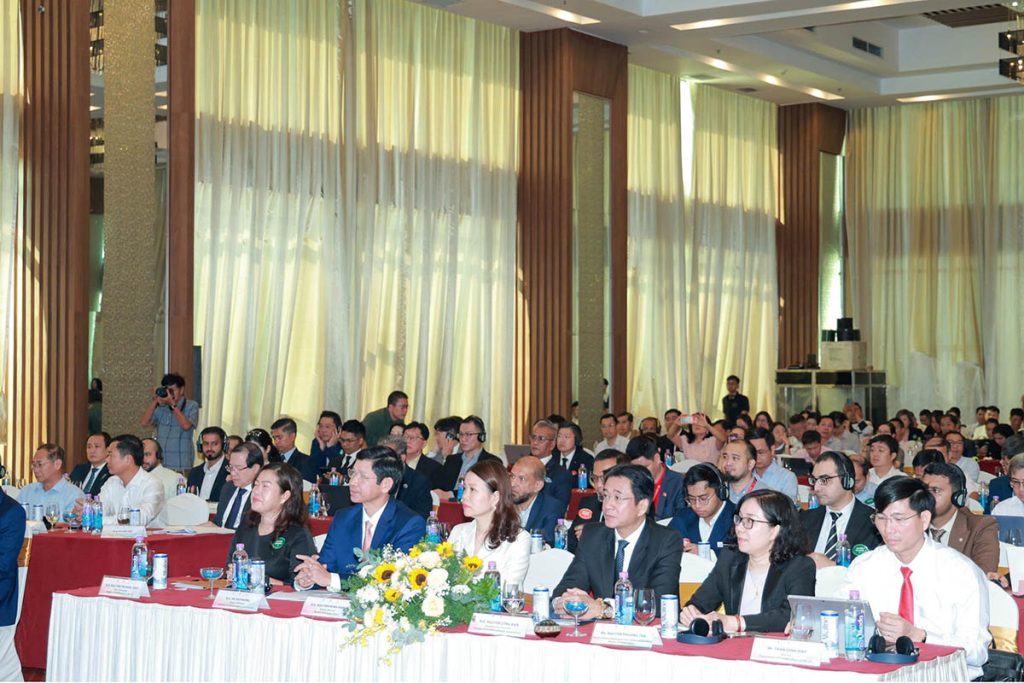
The high-level conference drew an esteemed international and domestic delegation. Notable attendees included Deputy Minister of Foreign Affairs Nguyen Minh Hang, Deputy Minister of Culture, Sports and Tourism Ho An Phong, and Standing Vice Chairman of the Khanh Hoa Provincial People’s Committee Nguyen Long Bien. The event also welcomed representatives from the United Nations Tourism Organisation (UN Tourism), the Global Muslim Travel Organisation, and leaders from aviation sectors, international investment funds, and Halal certification bodies. Ambassadors and embassy officials from numerous Muslim-majority nations, including Saudi Arabia, Kazakhstan, Türkiye, the United Arab Emirates, Iran, Pakistan, and Bangladesh, were also in attendance to discuss future partnerships.
In her opening remarks, Deputy Minister of Foreign Affairs Nguyen Minh Hang emphasised that the conference marks the first in-depth, international event jointly organised by Vietnamese government agencies dedicated exclusively to Halal tourism. She noted that while Halal tourism is a relatively new sector for Vietnam, it holds immense promise. The Deputy Minister stated that Vietnam’s foreign policy of independence, self-reliance, peace, cooperation, and development, paired with a profound respect for cultural and religious diversity, provides a strong foundation for building a safe, friendly, and sustainable tourism sector.
She highlighted Vietnam’s core strengths, which include political stability, abundant natural and cultural resources, a world-renowned culinary heritage, and a strategic location bridging Southeast Asia, Northeast Asia, South Asia, and the Middle East. Despite welcoming a record 21 million international visitor arrivals in 2025, only around 600,000 were Muslim travellers, accounting for roughly 3 per cent of total arrivals. This gap underscores the staggering untapped potential of the market. To capture this segment, Vietnam plans to refine its institutional frameworks, upskill human resources, expand certified Halal services, and strengthen international ties to build the national brand. The Ministry of Foreign Affairs will continue to leverage economic diplomacy to mobilize resources and develop a comprehensive Halal ecosystem.
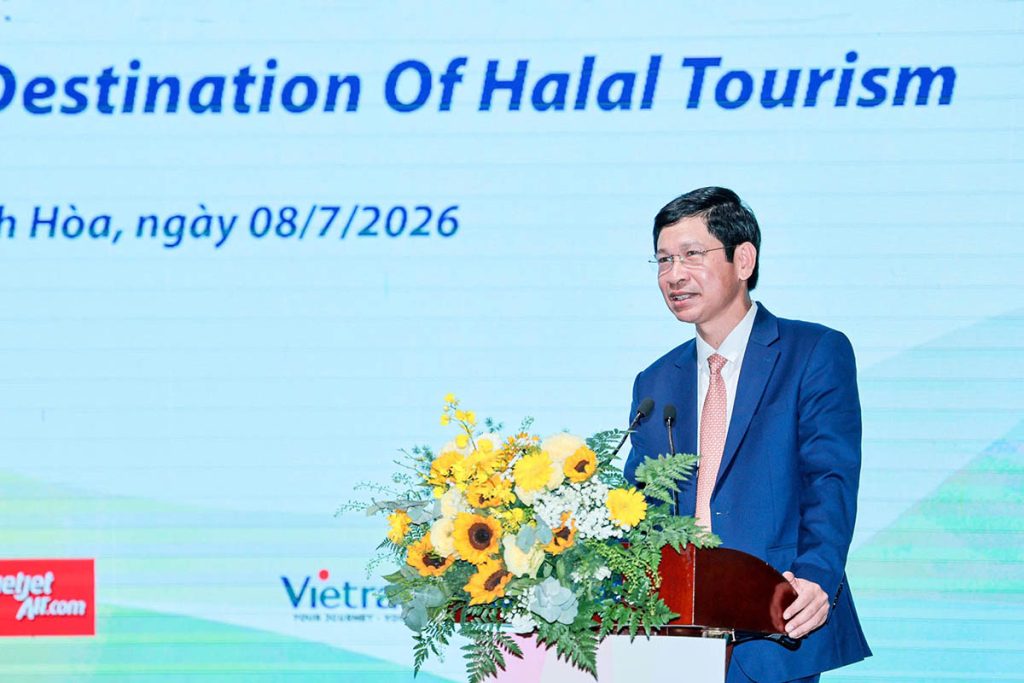
Deputy Minister of Culture, Sports and Tourism Ho An Phong added that the rapid expansion of the global Halal economy presents a golden opportunity. With the global Muslim population exceeding 2 billion, the Halal travel market is projected to reach 245 million international trips by 2030, generating an estimated USD 255 billion to USD 280 billion in expenditure. To ensure systematic and sustainable growth, Deputy Minister Ho An Phong proposed six key priorities, focusing on policy innovation, developing visitor-centric Halal ecosystems, creating bespoke products infused with local identity, enhancing human resources alongside digital transformation, strengthening targeted international marketing, and driving the proactive involvement of local authorities and businesses. He expressed confidence that with strong state support and effective coordination, Halal tourism would become a powerful new driver of growth.
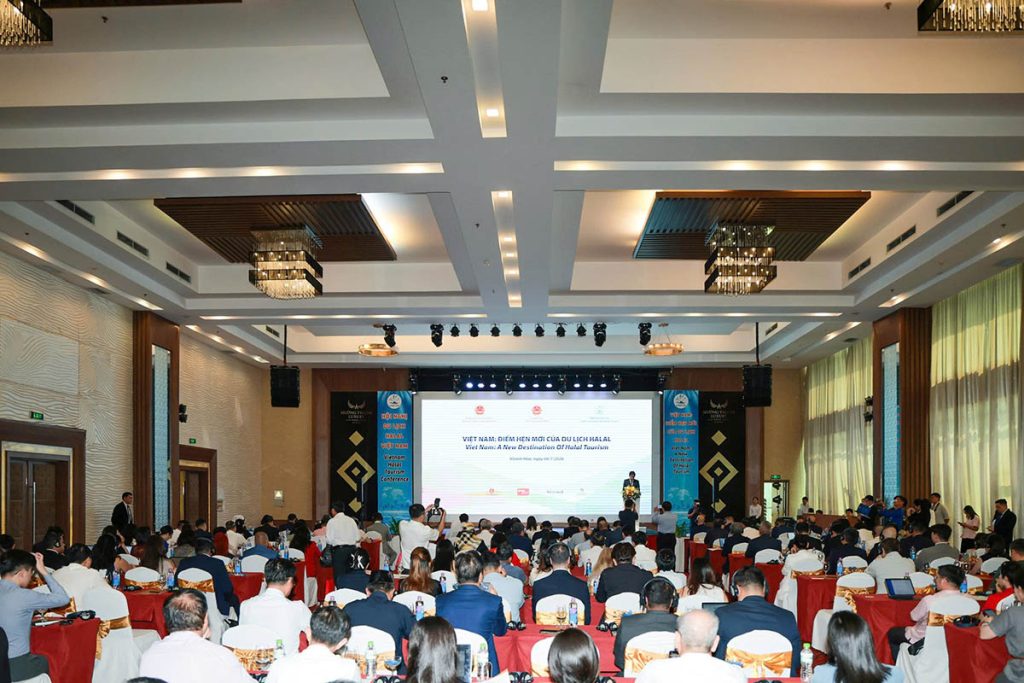
Standing Vice Chairman of the Khanh Hoa Provincial People’s Committee, Nguyen Long Bien, expressed his pride in hosting the landmark event, stating that the conference offers a premier platform to showcase the province’s infrastructure, cultural assets, and readiness to accommodate Muslim travellers. Khanh Hoa boasts nearly 500 kilometres of coastline, world-famous bays, modern transport infrastructure, Cam Ranh International Airport, deep-water seaports, and an expansive inventory of high-end resorts. In the first half of 2026 alone, the province welcomed over 11.9 million visitor arrivals, including 4.6 million international arrivals. The provincial leadership affirmed its goal to transform Khanh Hoa into a regional centre for premium tourism, identifying the Halal market as a strategic growth vector. The province will actively encourage investments in Halal-certified facilities, diversify products, and partner with international certification bodies.
The conference featured two specialized thematic sessions. The first session, entitled “Global Trends: Opportunities and Solutions for Vietnam’s Halal Tourism,” featured insights from experts across Malaysia, Singapore, and Spain on integrating Halal trade with tourism. The second session, the “Halal Economy Forum,” explored trade and investment links between Khanh Hoa and international partners, showcasing the province’s potential to export Halal-compliant goods like seafood, edible bird’s nests, sea grapes, and agricultural products. According to provincial orientations, Khanh Hoa seeks to establish an integrated ecosystem encompassing production, processing, trade, and logistics to strengthen its position in the global Halal value chain.
A key highlight was the presentation by Ha Van Sieu, Vice Chairman of the Vietnam National Authority of Tourism (VNAT), who unveiled the Action Framework for Halal Tourism Development in Vietnam. Vietnam aims for Muslim travellers to account for 15 per cent of total international arrivals by 2030, equivalent to roughly 6 to 7 million visitor arrivals. To achieve this, VNAT proposed the ACES Framework, which focuses on four strategic pillars. The Accessibility pillar aims to improve transport connectivity and streamline visa policies. The Communication pillar focuses on leveraging digital platforms and raising cultural awareness. The Environment pillar emphasizes cultivating safe, green destinations that respect Islamic traditions, while the Specialised Services pillar covers expanding certified dining and training culturally competent staff.
In addition to the ACES framework, VNAT’s Vice Chairman Ha Van Sieu proposed a clear three-phase roadmap. During the initial phase from 2026 to 2027, priority will be given to formulating a national strategy, rolling out workforce training, and establishing initial business support policies. In the second phase from 2028 to 2030, efforts will focus on upgrading infrastructure, refining Halal service quality, and scaling up international partnerships. The long-term vision aims to establish internationally acclaimed Halal destinations and a fully integrated national Halal ecosystem. Discussions throughout the day reflected a broad consensus that Halal tourism development represents an ideal path to improve service quality and transform Vietnam’s tourism growth model.
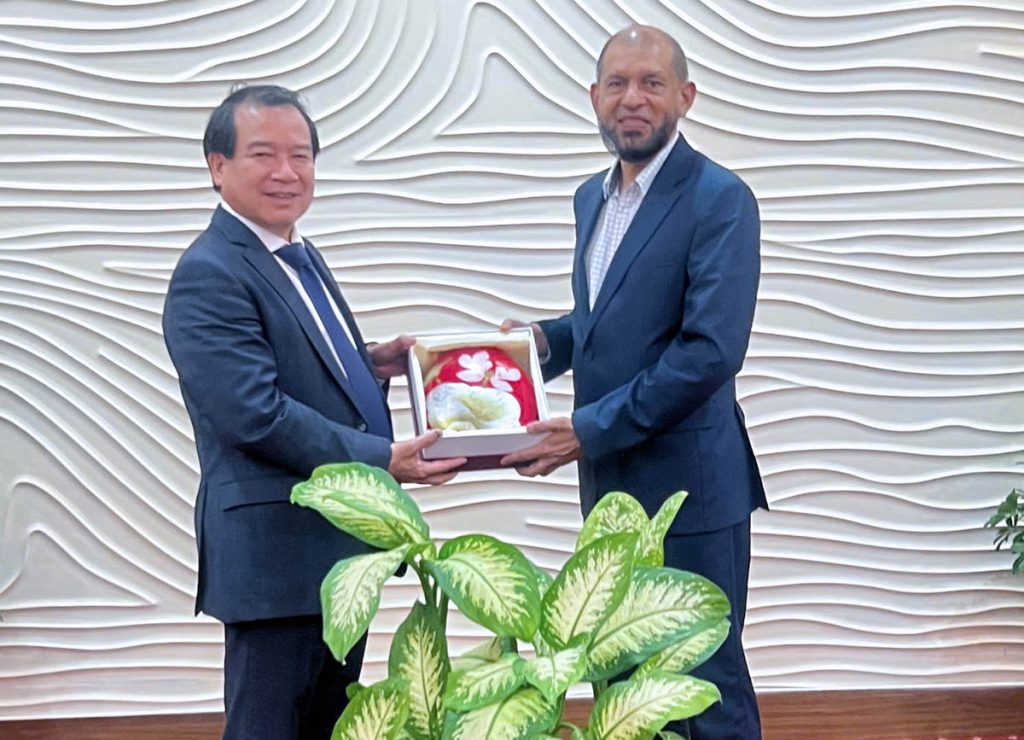
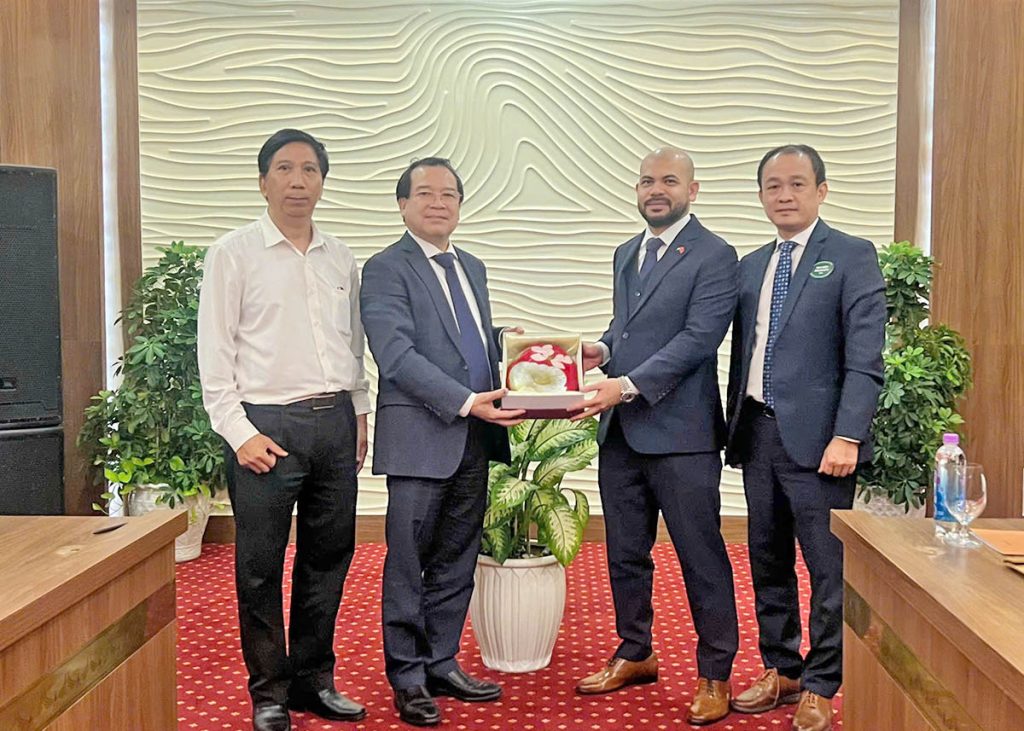
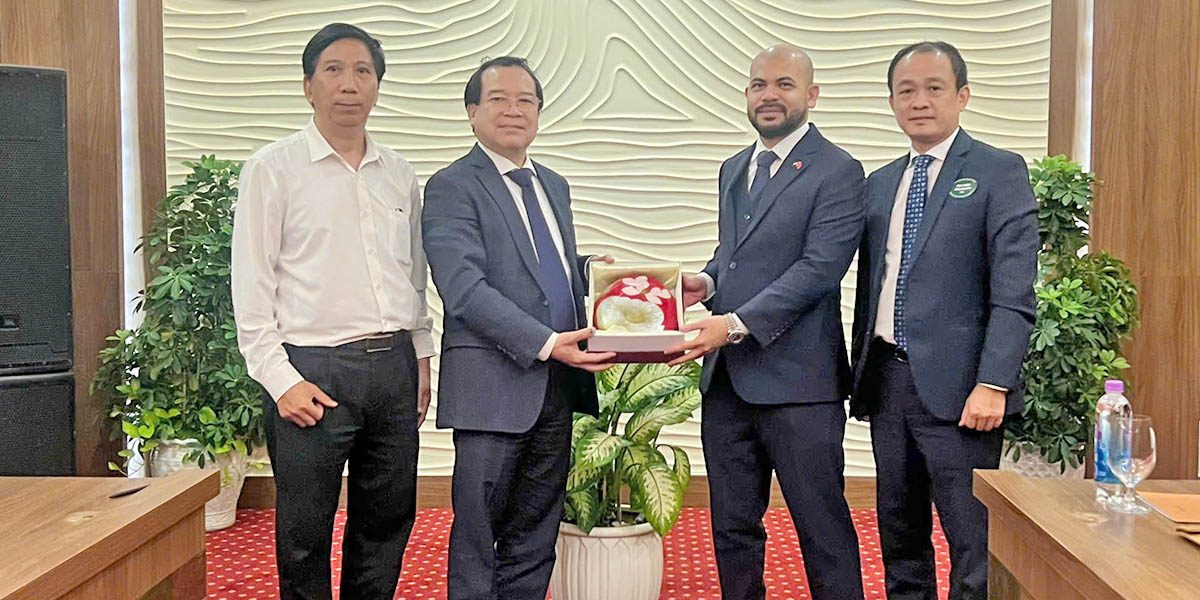
On the sidelines of the conference, the Vietnam National Authority of Tourism held productive bilateral meetings with the Chief Executive Officer of CrescentRating, representatives from HalalTrip, and the Chief Representative of Emirates Airlines in Vietnam. These talks focused on concrete steps to enhance destination marketing, share global data analytics, and improve direct flight connectivity to firmly position Vietnam on the global Muslim travel map.
Tourism Information Technology Center