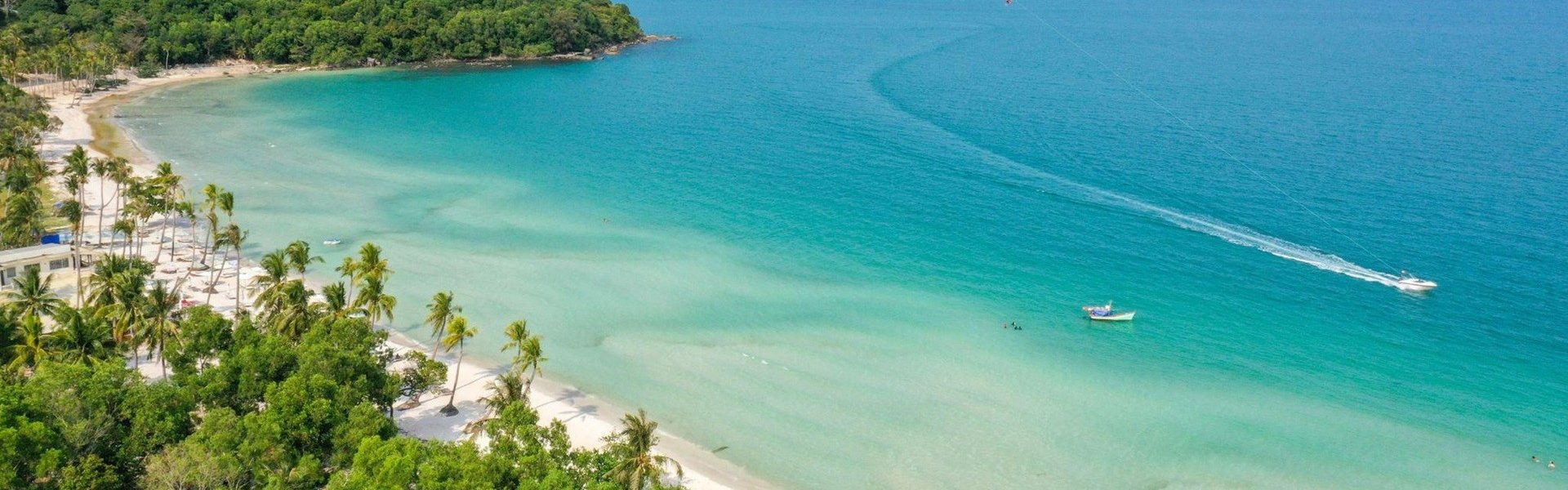
Vietnam is a destination that surprises first-time visitors in the best possible way. Known for its breathtaking landscapes, rich history, world-famous cuisine, and welcoming people, the country offers an incredible variety of experiences within a relatively short distance. You can wander through centuries-old streets in Hanoi, cruise among limestone islands in Ha Long Bay, relax on the beaches of Da Nang, admire the lanterns of Hoi An, and enjoy the vibrant nightlife of Ho Chi Minh City-all in a single trip.
While Vietnam is considered one of the easiest countries to explore in Southeast Asia, a little preparation can make your journey even more enjoyable. Understanding local customs, transportation, weather, and travel essentials will help you avoid common mistakes and make the most of your adventure. Here are the essential travel tips every first-time visitor should know before arriving in Vietnam.
Plan a Realistic Itinerary
One of the biggest mistakes travelers make is trying to visit every famous destination in one vacation. Vietnam stretches over 1,600 kilometers (1,000 miles) from north to south, and traveling between regions takes time.
If you’re visiting for 7 to 10 days, focus on one or two regions instead of rushing across the country. With 10 to 14 days, you can comfortably combine destinations such as Hanoi, Ha Long Bay, Ninh Binh, Hoi An, Da Nang, and Ho Chi Minh City. Traveling at a relaxed pace allows you to experience each destination rather than simply checking attractions off a list.
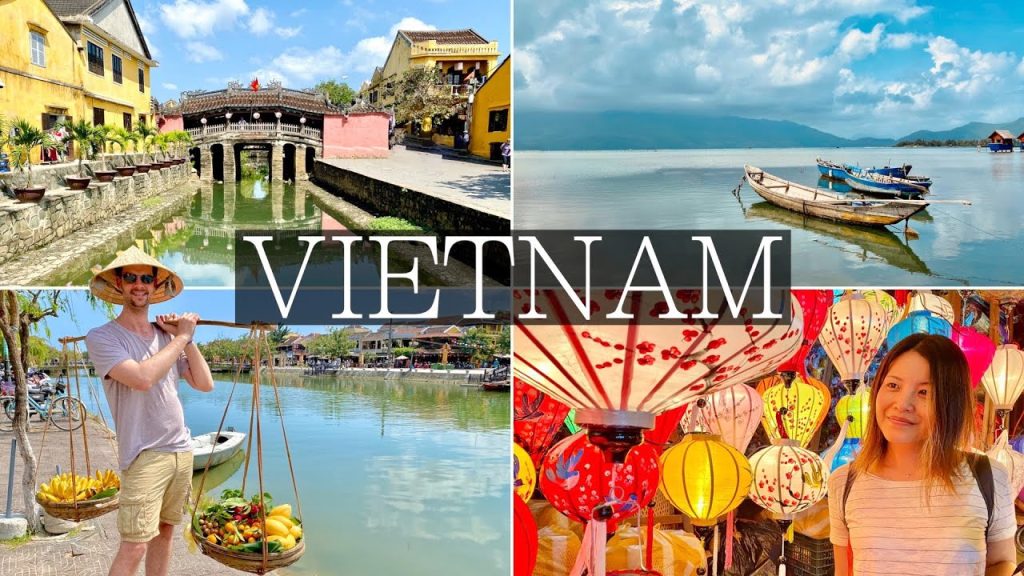
Check the Weather Before You Pack
Vietnam has three distinct climate regions, so the weather can vary significantly depending on where you are traveling.
Northern Vietnam experiences four seasons, with cooler temperatures between November and February. Central Vietnam has its own rainy season, while southern Vietnam remains warm throughout the year with a tropical climate.
Before packing, check the forecast for each destination on your itinerary instead of relying on the national weather report. Bringing the right clothing will make your trip much more comfortable.

Prepare Your Travel Documents
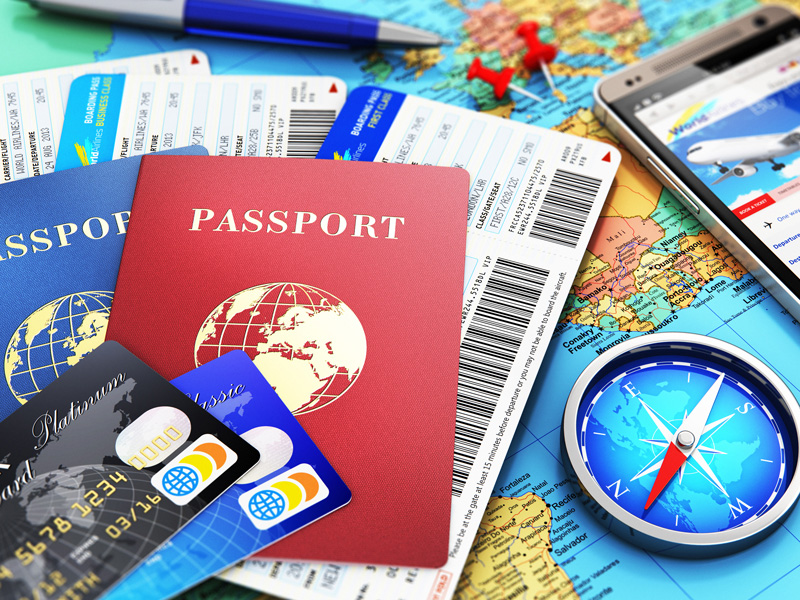
Before booking your flights, check the latest visa requirements for your nationality. Many travelers can apply for a Vietnam eVisa, while others may be eligible for visa-free entry.
Your passport should be valid for at least six months beyond your arrival date. It’s also wise to keep digital copies of your passport, visa, travel insurance, flight tickets, and hotel confirmations on your phone or cloud storage in case you need them during your journey.
Carry Cash, but Don’t Bring Too Much
Although Vietnam is becoming increasingly cashless, cash is still the preferred payment method in local markets, street food stalls, and smaller shops.
ATMs are widely available in cities and tourist areas, so you can easily withdraw Vietnamese Dong (VND) when needed. Carrying a mix of cash and credit cards gives you the flexibility to pay almost anywhere.
Stay Connected
Buying a local SIM card or eSIM is one of the first things you should do after arriving. Mobile internet in Vietnam is affordable, fast, and reliable, making it easy to navigate cities, book transportation, translate Vietnamese, and stay in touch with family and friends.
Free Wi-Fi is also available in most hotels, cafés, and restaurants, but having your own mobile data is much more convenient while exploring.
Download Useful Travel Apps
A few simple apps can make your trip much easier.
Grab is the most popular ride-hailing app in Vietnam and is often the safest and most convenient way to get around major cities. Google Maps is reliable for navigation, while Google Translate can help when communicating outside tourist areas. Currency converter apps are also useful if you’re unfamiliar with Vietnamese Dong.
Don’t Be Intimidated by the Traffic
For many first-time visitors, the streets of Hanoi or Ho Chi Minh City can seem overwhelming because of the constant flow of motorbikes.
The key is to stay calm. When crossing the street, walk slowly and steadily instead of stopping suddenly or running. Local drivers are experienced at moving around pedestrians, and you’ll soon find that what seemed chaotic at first becomes surprisingly manageable.
Try Local Food with Confidence
Vietnamese cuisine is one of the country’s greatest attractions. While dishes like pho and banh mi are famous worldwide, every region has its own specialties worth discovering.
Choose busy restaurants or street food stalls where local people are eating, as high customer turnover usually means fresher food. Don’t hesitate to try regional dishes such as Bun Cha in Hanoi, Cao Lau in Hoi An, Bun Bo Hue in Hue, or fresh seafood along the central coast.
For travelers who want a deeper understanding of Vietnamese cuisine, joining a local food tour is an excellent way to discover authentic flavors and hidden eateries.
Respect Local Culture
Vietnamese people are friendly and welcoming, and showing respect for local customs will make your interactions even more enjoyable.
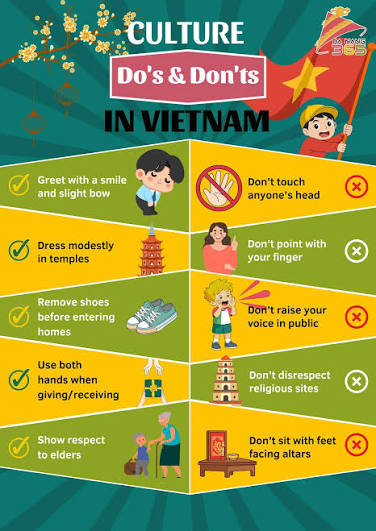
Dress modestly when visiting temples and pagodas, remove your shoes where required, and speak quietly in religious sites. When taking photographs of local people, especially in rural areas, it’s always polite to ask for permission first.
Learning a few simple Vietnamese phrases such as “Xin chào” (Hello) and “Cảm ơn” (Thank you) is a thoughtful gesture that locals genuinely appreciate.
Choose Transportation That Suits Your Trip
Vietnam offers a wide range of transportation options. Domestic flights are the quickest way to travel between major regions, while trains provide a scenic experience along the country’s coastline. Ride-hailing services such as Grab are convenient in large cities, and private transfers are ideal for families or travelers looking for comfort.
If you’re planning a multi-city journey and prefer not to organize every detail yourself, experienced local operators such as Vietnam Tourist can help arrange transportation, accommodation, and personalized itineraries, allowing you to spend more time enjoying your holiday.
Stay Safe and Travel Smart
Vietnam is widely regarded as one of the safest destinations in Southeast Asia. Even so, it’s important to take the same precautions you would in any popular tourist destination.
Keep your belongings secure in crowded places, avoid carrying large amounts of cash, and use reputable transportation services. Purchasing comprehensive travel insurance before your trip is also highly recommended, providing peace of mind in case of unexpected medical issues or travel disruptions.
Slow Down and Enjoy the Experience
Some of the best travel memories come from moments that aren’t listed in any itinerary. Sit down for a traditional Vietnamese coffee, explore a local market without a schedule, watch fishermen return at sunrise, or simply wander through a quiet neighborhood.
Vietnam is a country best experienced at a slower pace. Instead of trying to see everything, give yourself time to connect with the places you visit and the people you meet.
Final Thoughts
Your first visit to Vietnam is likely to be an unforgettable experience filled with incredible scenery, fascinating culture, delicious food, and genuine hospitality. With a little preparation and an open mind, you’ll quickly discover why so many travelers return again and again.
Whether you’re traveling independently or planning your journey with the support of trusted local experts like Vietnam Tourist, these essential travel tips will help you explore Vietnam with confidence and create memories that will last long after your trip has ended.
Vietnam Tourist – Your Journey, Our Passion