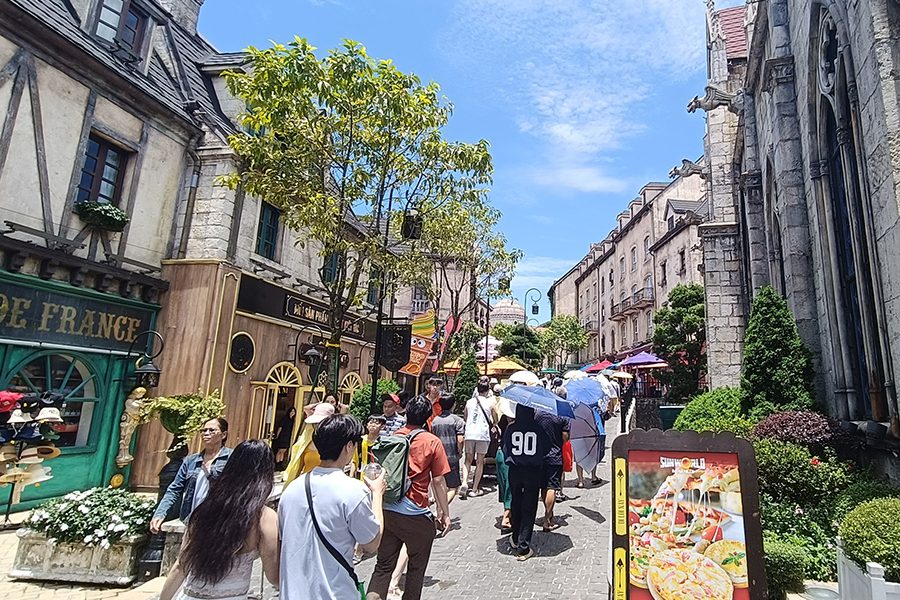
Vietnam is easy to travel through quickly.
You can have breakfast in Hanoi, take a flight to Da Nang, spend an afternoon in Hoi An, continue to Ho Chi Minh City and squeeze in the Mekong Delta before flying home. With domestic flights connecting the country’s major cities, it is tempting to keep adding destinations to the itinerary.
But there is another way to see Vietnam – and it is becoming increasingly popular.
Slow travel is about staying longer, doing less and paying more attention to the places you visit. Instead of collecting landmarks, travelers spend time walking through local neighborhoods, eating where residents eat, visiting smaller communities, learning about local traditions and simply allowing the day to unfold.
It does not necessarily mean a longer or more expensive holiday. It means making better use of the time you already have.
Vietnam is particularly well suited to this style of travel. Beyond Hanoi, Ha Long Bay, Hoi An and Ho Chi Minh City, there are quiet villages, mountain communities, coastal towns and countryside experiences that are often missed on tightly packed itineraries.
What Is Slow Travel?
Slow travel is not a strict travel style with a fixed itinerary. It is more about how you travel than where you go.
Instead of asking, “How many places can I see in 10 days?”, a slow traveler might ask, “Where would I like to spend more time?”
That could mean spending three nights in Hoi An rather than rushing through it in one day. It could mean staying in a small village near Sapa, cycling through the countryside around Ninh Binh, taking a cooking class with local hosts or spending a quiet morning at a Mekong Delta homestay.
The idea is simple: fewer transfers, fewer rushed mornings and more room for experiences that cannot be measured by a checklist.
The trend is gaining attention globally in 2026, with travelers increasingly looking for meaningful experiences, quieter destinations and stronger connections with local communities. Vietnam’s tourism industry is also highlighting slow travel as a growing way for visitors to experience the country beyond conventional sightseeing.

Why Vietnam Works So Well for Slow Travel
Vietnam has something that many long-haul destinations struggle to offer: variety without requiring international borders.
Within one trip, travelers can move from the historic streets of Hanoi to rice-growing valleys, limestone landscapes, ancient towns, beaches and tropical islands.
The key is not trying to experience all of them at once.
For example, instead of combining Hanoi, Ha Long Bay, Sapa, Hue, Hoi An, Da Nang, Ho Chi Minh City, the Mekong Delta and Phu Quoc into a single itinerary, you might choose three or four areas and give each one enough time.
The result is often a trip that feels less exhausting and, surprisingly, more memorable.
1. Stay Longer in Fewer Places
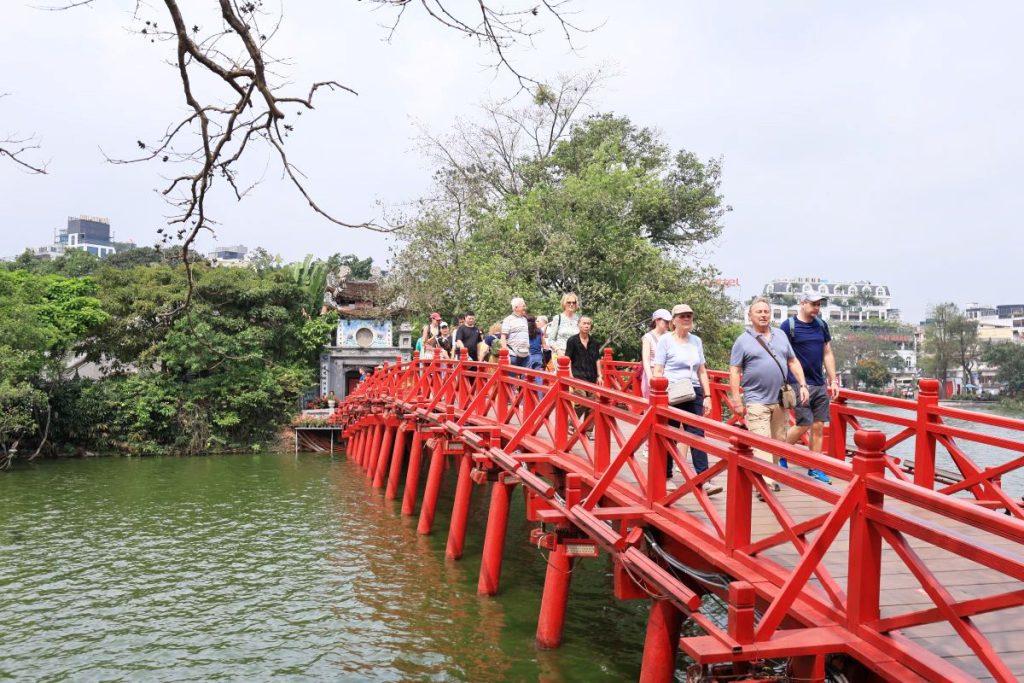
One of the easiest ways to slow down is to reduce the number of hotel changes.
A one-night stay can be enough to see the main attractions, but it rarely gives you a sense of the destination.
Consider spending:
- 3-4 nights in Hanoi instead of treating it only as an arrival point
- 2-3 nights in Ninh Binh to explore beyond the main boat trip
- 3 nights in Hoi An for a mixture of old-town, countryside and food experiences
- 3-4 nights in Ho Chi Minh City with time for the Mekong Delta
- 3-5 nights in Phu Quoc if the trip includes a beach break
You do not need to fill every day with activities.
A free afternoon can be part of the itinerary.
2. Explore Beyond Vietnam’s Most Famous Attractions
Slow travel does not mean avoiding famous places altogether. It means looking beyond the obvious itinerary.
In northern Vietnam, for example, travelers can go beyond Hanoi and Ha Long Bay to explore mountain landscapes and rural communities.
Sapa remains popular, but destinations such as Ha Giang and the wider northern mountain region offer a different pace, particularly for travelers interested in landscapes, local markets and village life.
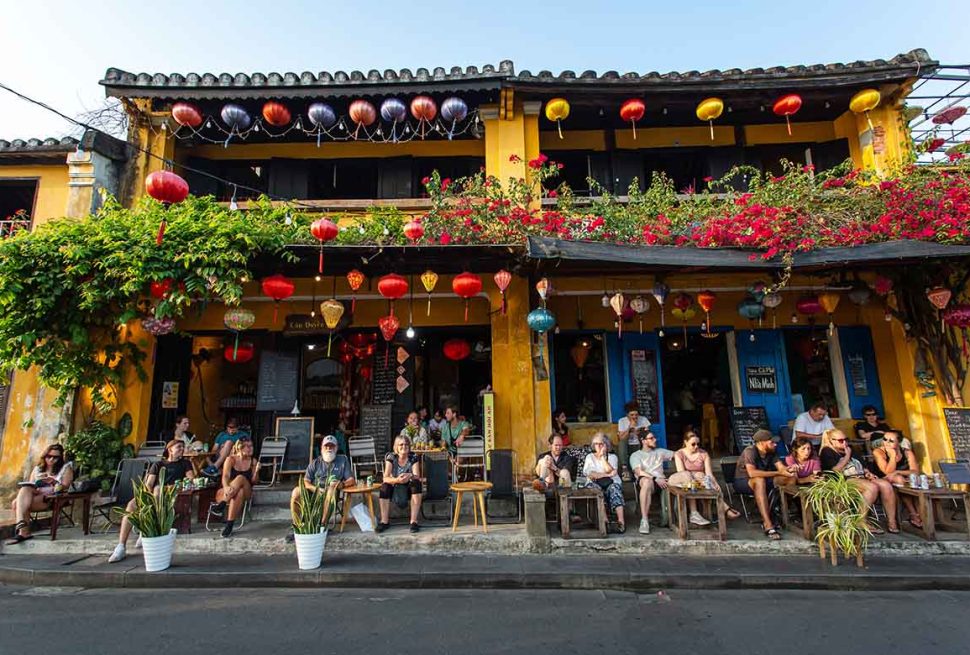
In central Vietnam, Hoi An is famous for its lantern-lit old town, but the surrounding countryside offers another side of the destination. Cycling routes, farming villages, fishing communities and cooking experiences can easily fill a relaxed day.
In the south, the Mekong Delta is not simply a place to visit for a few hours. Staying overnight allows travelers to experience the region when the day-trippers have left, with quieter waterways and a closer look at everyday life.
3. Choose Experiences Over Checklists
A slow itinerary does not have to mean doing nothing.
In fact, it can include some of the most memorable activities in Vietnam.
Try learning how to prepare a Vietnamese dish instead of simply eating at a restaurant.
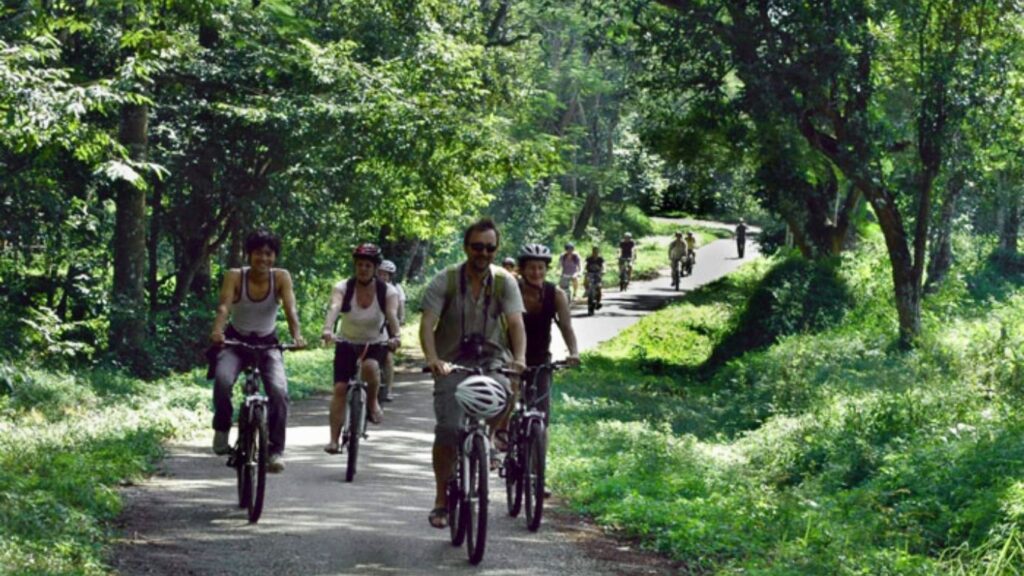
Take a bicycle through the countryside rather than spending the entire day inside a vehicle.
Visit a local market in the morning.
Join a short walking tour focused on street food and neighborhood life.
Spend an afternoon learning about traditional crafts.
Or simply sit at a small café and watch Hanoi move around you.
These experiences may not take up much space on a conventional sightseeing checklist, but they often become the stories travelers remember.
4. Spend Time in Local Communities
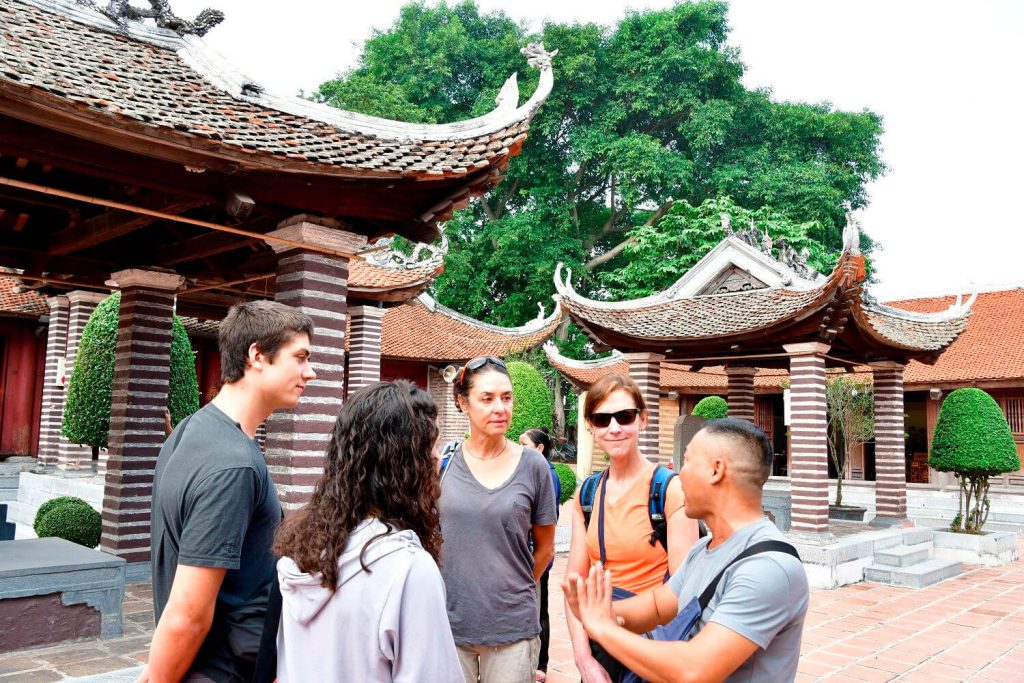
One of the strongest parts of slow travel is the opportunity to see how people actually live.
Mountain villages in northern Vietnam, fishing communities along the central coast and farming areas in the Mekong Delta all offer opportunities to experience a different rhythm of daily life.
The important thing is to approach these experiences respectfully.
A village should not be treated as a backdrop for photographs. Visitors should follow local guidance, ask before photographing people and choose tourism services that provide a fair benefit to the community.
Responsible travel and slow travel naturally overlap here. Spending more time in one place can distribute tourism income beyond major attractions and encourage travelers to appreciate local culture rather than simply consume it.
5. Consider Vietnam’s Quieter Destinations
The desire to escape crowds is another reason slow travel is gaining attention.
Vietnam’s official tourism channels have highlighted the growing interest in lesser-known destinations and travel outside traditional tourist hubs. The broader trend is sometimes described as “anti-tourism” – not rejecting tourism itself, but moving away from overcrowded experiences in search of quieter places and more authentic encounters.
For travelers looking for this style of trip, destinations such as Ha Giang, Cao Bang, Quy Nhon, Phu Yen, Mui Ne and Nam Du can be worth considering, depending on the season and interests.
Mui Ne is particularly interesting for 2026. Booking.com’s global travel trends identified the destination as its number-one destination expected to “boom” in the coming year, reflecting growing interest in more distinctive and experience-led destinations.
A Sample 10-Day Slow Travel Itinerary
You do not need two or three weeks to travel slowly.
Even a 10-day holiday can feel very different with a more relaxed structure.
Days 1-3: Hanoi
Take your time with the Old Quarter, Hoan Kiem Lake and local food.
Leave one afternoon free. Walk without a fixed route, stop for coffee or explore a neighborhood outside the main tourist streets.
Days 4-6: Ninh Binh
Move south and spend a few nights among the limestone landscapes.
Take a boat trip through Trang An or Tam Coc, cycle through the countryside and visit local temples and villages.
Rather than returning immediately to Hanoi, use Ninh Binh as a genuine overnight destination.
Days 7-10: Hoi An
Fly to Central Vietnam and settle into Hoi An.
Spend time in the old town, explore the countryside by bicycle, join a cooking experience and leave room for an evening with no plans.
This itinerary covers fewer destinations than a traditional North-to-South tour, but it gives travelers time to actually experience each one.
Can Slow Travel Work With a Private Tour?
Absolutely.
In fact, a private tour can make slow travel easier because the itinerary does not have to follow a fixed group schedule.
Transportation can be arranged around your preferred pace, while hotels, guides and activities can be selected according to what you actually want to experience.
For example, a private Vietnam tour could combine:
- Boutique hotels or locally owned accommodation
- Private airport transfers
- Local English-speaking guides
- Flexible sightseeing times
- Village and countryside experiences
- Food and cooking activities
- Short trekking or cycling routes
- Free afternoons
- Fewer hotel changes
- Additional nights in destinations you enjoy
This is also where working with a local travel company can be useful. Instead of starting with a standard package and trying to remove activities, you can build the itinerary around the places and experiences that matter to you.
Vietnam Tourist can arrange customized private itineraries for travelers who prefer a slower pace, including accommodation, transportation, guides and sightseeing while leaving space for independent exploration.
How Many Days Do You Need for Slow Travel in Vietnam?
There is no fixed answer, but 10-14 days gives international travelers considerably more flexibility.
With 7 days, it is better to concentrate on one or two regions.
With 10 days, you can comfortably combine several destinations without changing hotels every night.
With 14 days or more, a North-to-South journey becomes easier to organize at a relaxed pace.
The main principle is simple: do not add another destination just because there is an empty space on the map.
An extra night in a place you enjoy can be more valuable than another long transfer.
Slow Travel Does Not Mean Missing Out
There is a common misconception that traveling slowly means seeing less of Vietnam.
In terms of the number of attractions, that may be true.
But travel is not a competition.
A rushed itinerary might give you photographs from ten destinations. A slower trip might give you a favorite café in Hanoi, a conversation with a homestay host, a quiet bicycle ride through the rice fields or a meal you learned to cook yourself.
Those experiences are harder to schedule – and often much harder to forget.
Vietnam’s tourism landscape is increasingly moving toward experience-led, personalized travel, with wellness, local connection, quieter destinations and more flexible journeys becoming part of the conversation for 2026.
For international travelers, that makes this a good time to reconsider the traditional “see everything” itinerary.
Vietnam is not a country you need to rush through.
Give yourself enough time to stay somewhere, get a little lost, eat another bowl of noodles, talk to local people and watch the day unfold.
Sometimes, that is when the trip really begins.
Vietnam Tourist – Your Journey, Our Passion