Hue, Vietnam, is a historic city that was once the imperial capital of the Nguyen Dynasty, and it’s now one of the country’s most culturally rich destinations. It offers a mix of ancient architecture, royal tombs, pagodas, vibrant markets, and scenic landscapes along the Perfume River. Here are some of the best things to do in Hue:
1. Explore the Imperial City (Citadel)
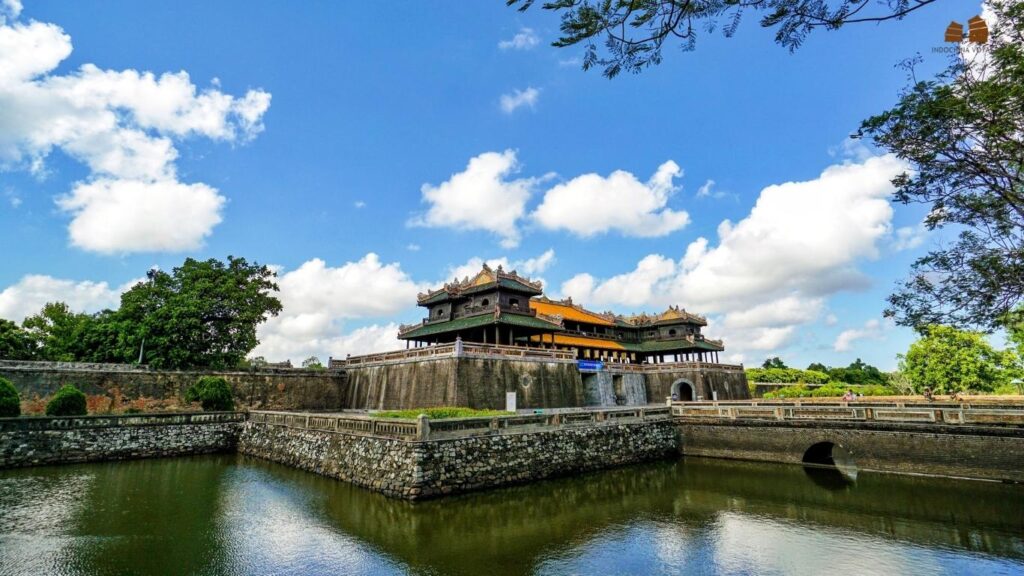
The UNESCO World Heritage-listed Imperial City is Hue’s biggest attraction. Enclosed by massive walls and a moat, the complex includes palaces, temples, courtyards, and the Forbidden Purple City, where emperors once lived. Walking through the ruins and restored sections gives a deep sense of history.
2. Visit the Royal Tombs
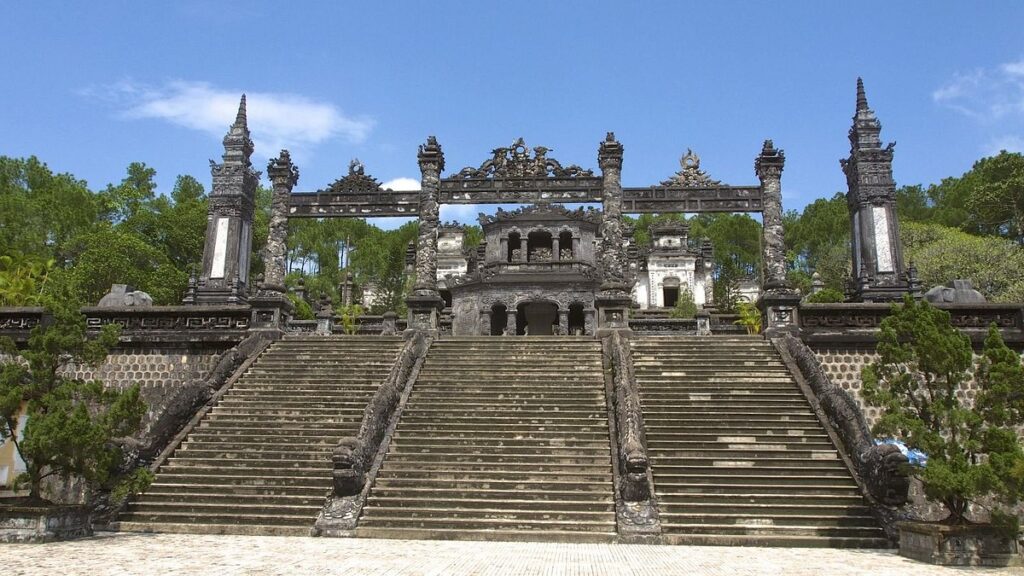
Hue is famous for its elaborate tombs of Nguyen emperors, each set in serene landscapes with lakes, gardens, and temples. Notable ones include:
- Tomb of Khai Dinh – known for its striking mix of Vietnamese and European architectural styles.
- Tomb of Minh Mang – admired for its symmetry and harmony with nature.
- Tomb of Tu Duc – set in a tranquil forested area, reflecting the emperor’s poetic soul.
3. Cruise on the Perfume River
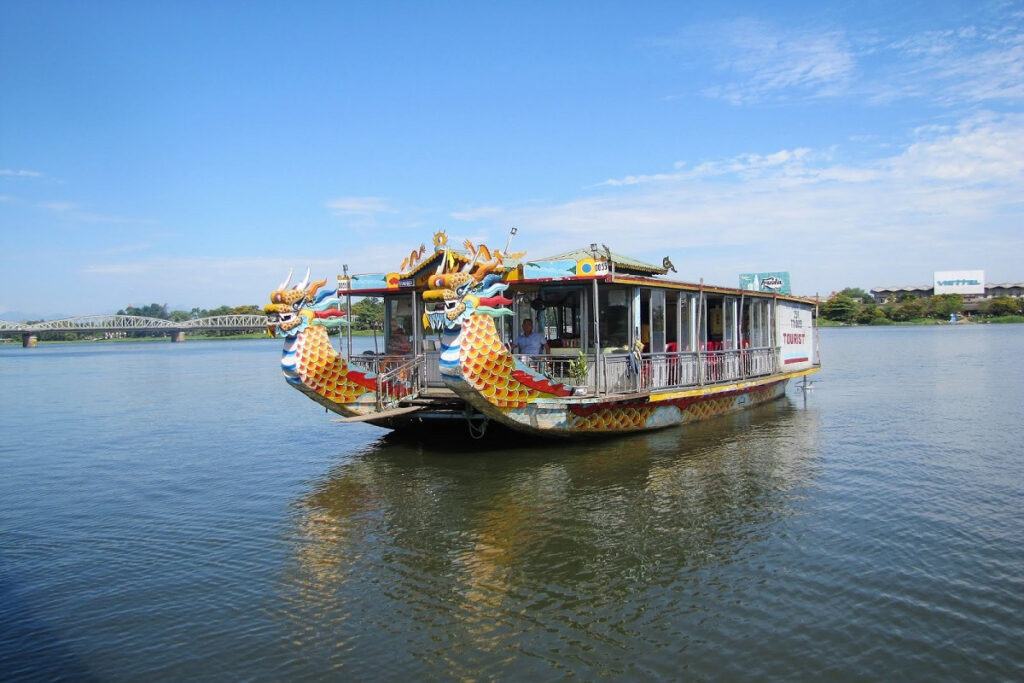
Taking a boat ride on the Perfume River is a peaceful way to see the city. You can sail to famous landmarks, including the Thien Mu Pagoda, or enjoy evening cruises with traditional Hue folk music performances.
4. See Thien Mu Pagoda
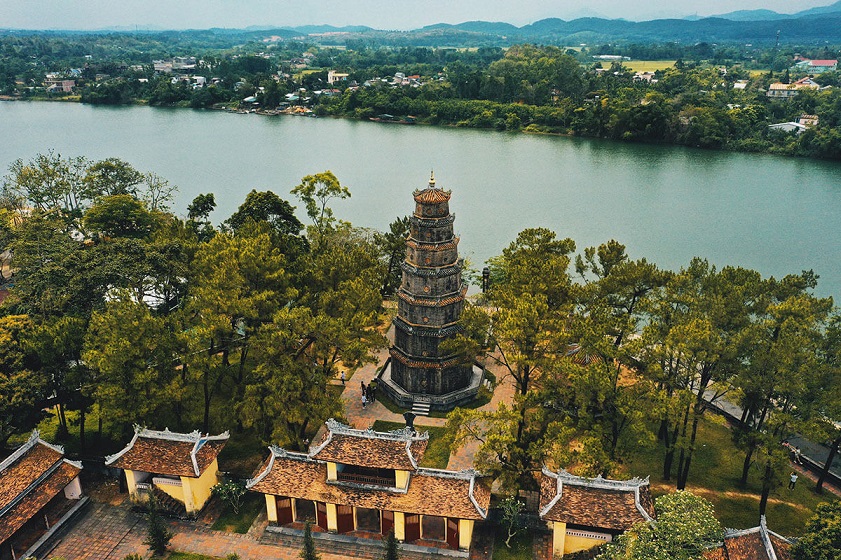
This iconic seven-tiered pagoda is Hue’s oldest and most important religious site. Located on a hill overlooking the Perfume River, it’s a symbol of the city and offers both spiritual and scenic experiences.
5. Discover Hue’s Food Scene

Hue is Vietnam’s culinary capital, known for its imperial cuisine and spicy specialties. Don’t miss:
- Bun Bo Hue – a spicy beef noodle soup.
- Banh Beo – steamed rice cakes with shrimp and crispy toppings.
- Nem Lui – grilled lemongrass pork skewers.
6. Stroll Through Dong Ba Market
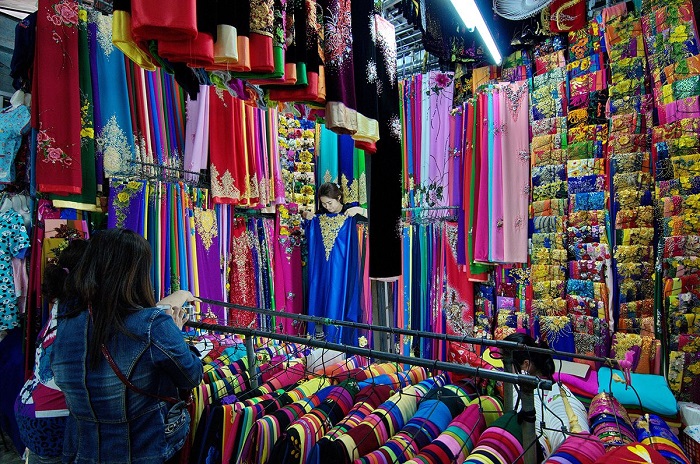
For a local experience, visit Dong Ba Market, the city’s largest. It’s packed with stalls selling everything from fresh produce and spices to traditional conical hats, clothes, and souvenirs.
7. Explore Abandoned Water Park (Ho Thuy Tien)
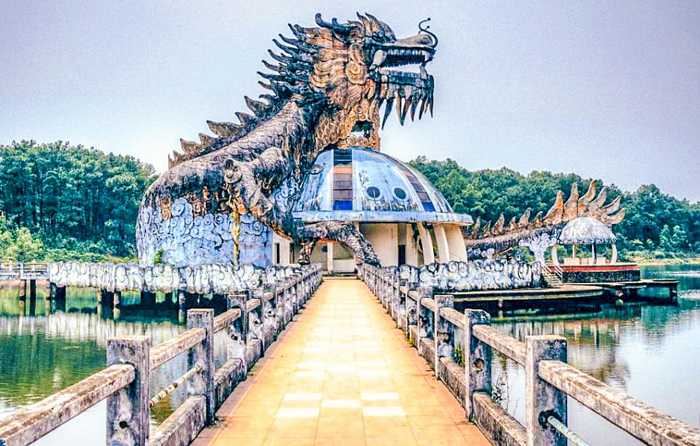
For something unusual, adventurers often check out Hue’s abandoned water park. The eerie, overgrown site with its dragon-shaped aquarium has become a cult attraction for photographers and urban explorers.
8. Cycle Through the Countryside
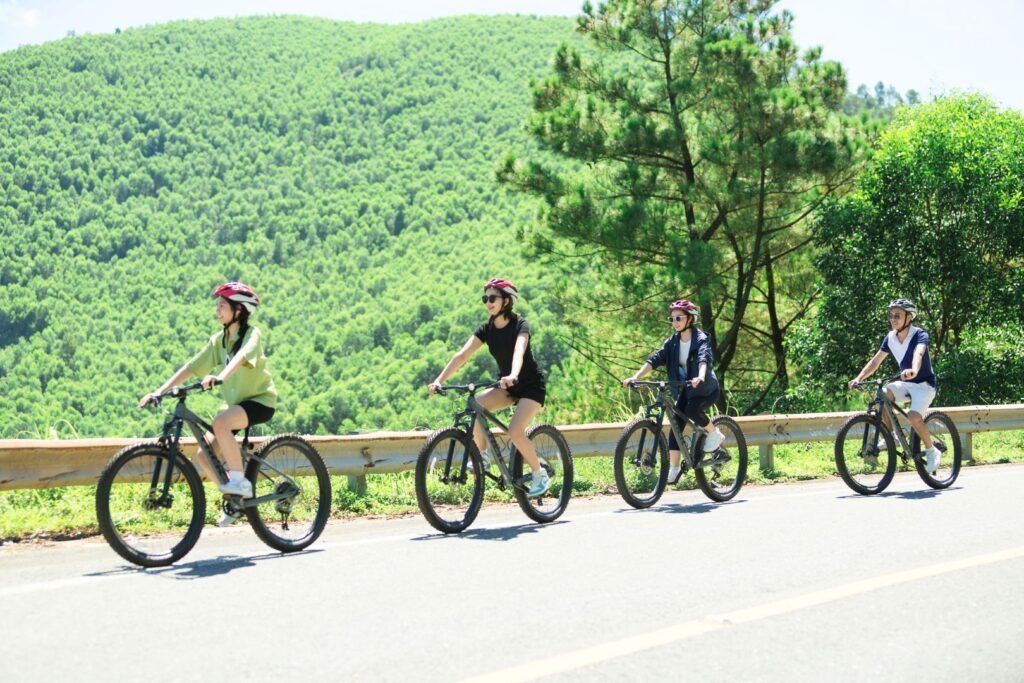
Hue’s flat terrain and rural surroundings make it ideal for cycling. You can ride through rice paddies, small villages, and along riverbanks, often stopping at temples or local craft workshops.
9. Attend a Traditional Music Performance

Hue is the birthplace of Nha Nhac (royal court music), recognized by UNESCO as Intangible Cultural Heritage. You can experience performances at cultural venues or on a riverboat.
10. Take a Day Trip

Hue is well-located for excursions:
- Hai Van Pass – a scenic mountain pass with breathtaking coastal views.
- Phong Nha-Ke Bang National Park – home to spectacular caves and jungles.
- Lang Co Beach – a pristine coastal escape.
Why Visit Hue?
Hue combines Vietnam’s regal past with a tranquil, atmospheric vibe. Unlike the bustling streets of Hanoi or Ho Chi Minh City, Hue feels slower and more contemplative, making it a perfect place for travelers interested in history, culture, and local food.
Would you like me to make this into a travel-guide style itinerary (1–3 days in Hue), or keep it more like a general list of highlights?