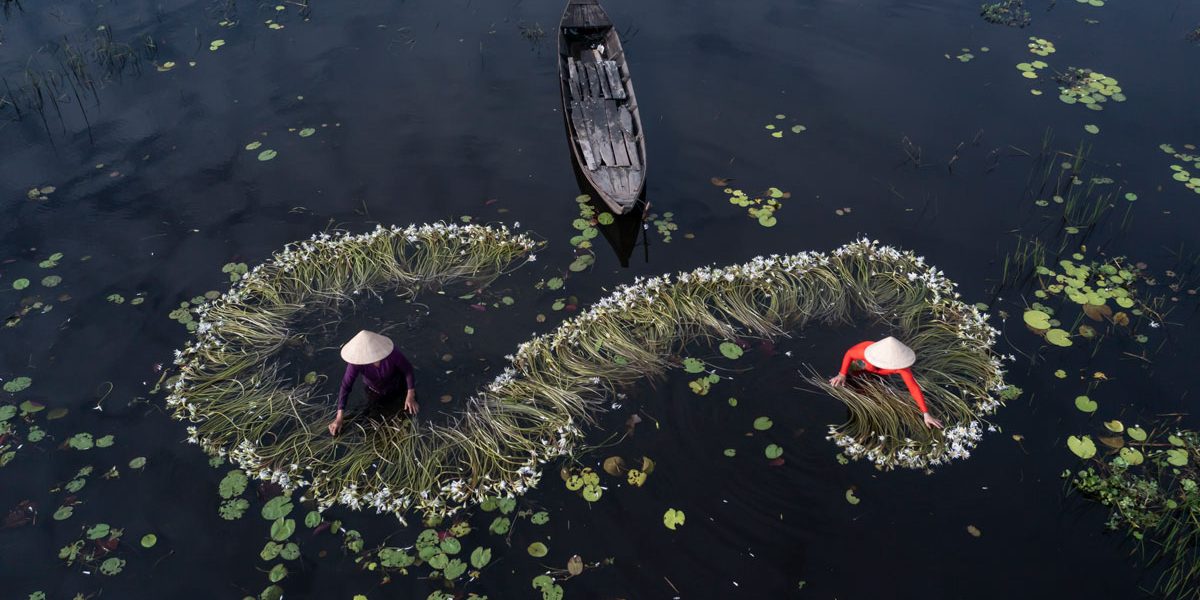
Vietnam is one of the most photogenic destinations in Southeast Asia. From misty mountains and terraced rice fields in the north to lantern-lit ancient towns, dramatic coastlines and vibrant cities in the south, the country offers an extraordinary variety of landscapes and cultural scenes to photograph.
You do not need professional photography equipment to capture beautiful images in Vietnam. A smartphone can be enough, especially when you know where to go, when to visit and how to make the most of the light.
This Vietnam Photography Guide covers the best photography destinations, ideal times for shooting, practical tips and important etiquette for travelers who want to capture the country’s scenery and everyday life respectfully.
Why Vietnam Is a Great Destination for Photography
One of Vietnam’s biggest advantages for photographers is its diversity.
Within a single trip, you can photograph mountains, rice terraces, limestone karsts, beaches, rivers, colonial architecture, historic temples, colorful markets and modern city skylines.
Vietnam is also visually interesting because everyday life happens outdoors. Early-morning markets, street vendors, fishermen, farmers working in rice fields and commuters traveling through busy streets can all provide authentic photographic opportunities.
The key is to slow down and observe rather than simply photographing famous landmarks.
Hanoi: Street Life, Architecture & Everyday Vietnam
Hanoi is an excellent destination for street photography.
The Old Quarter provides endless opportunities to photograph narrow streets, traditional shop houses, street vendors, cafés and everyday local life. Early morning is particularly rewarding, when the streets are quieter and residents begin their daily routines.
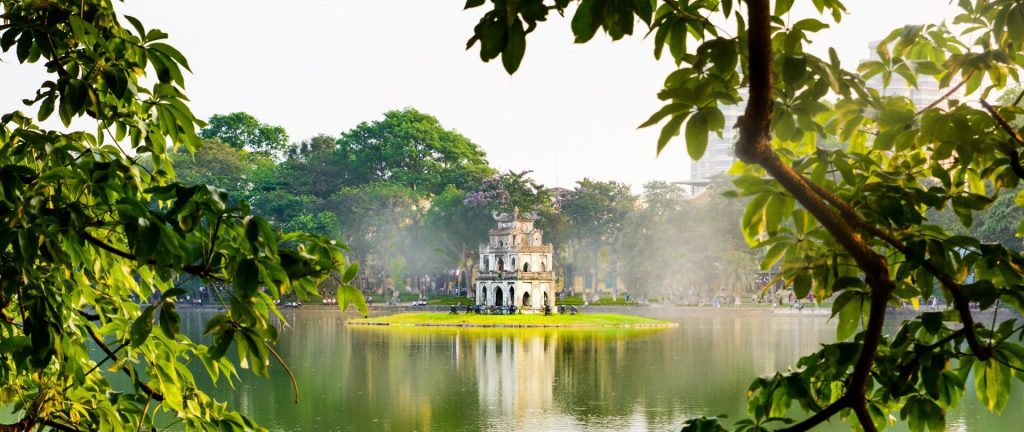
Hoan Kiem Lake is another popular photography location. Around sunrise, the area comes alive with walkers, joggers, exercise groups and local residents.
For architecture, explore the French Quarter, historic buildings and the streets surrounding the Old Quarter.
For the best atmosphere, consider photographing Hanoi during the early morning or late afternoon, when the light is softer and the streets offer plenty of activity without the harsh midday sun.
Ninh Binh: Limestone Mountains & Rice Fields
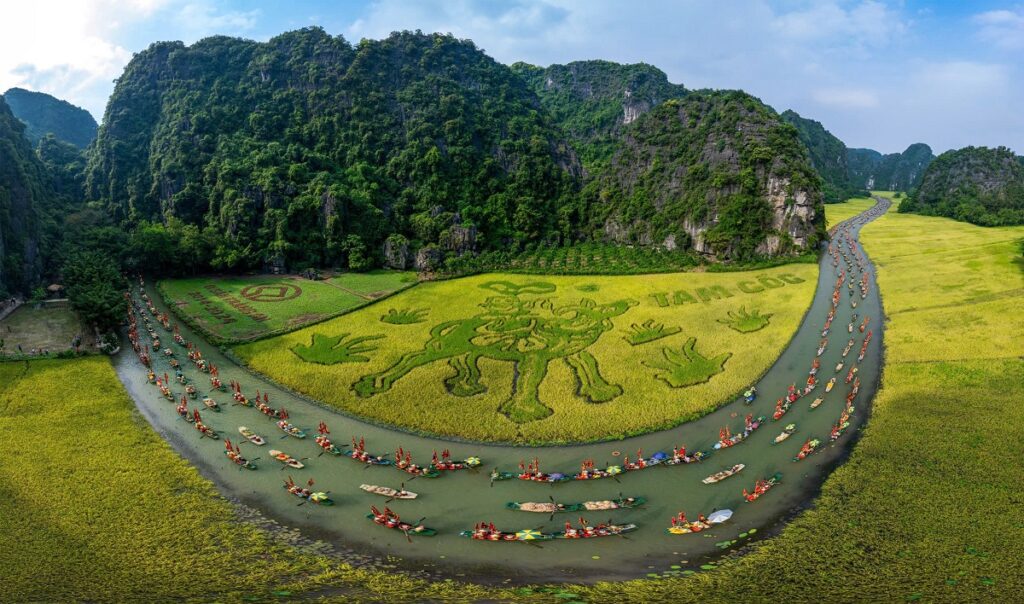
Ninh Binh is one of northern Vietnam’s most spectacular photography destinations.
The landscape is dominated by towering limestone mountains, rivers, caves and green rice fields. The combination creates dramatic compositions from almost every viewpoint.
Trang An is particularly impressive from the water. A boat journey takes visitors through limestone formations, caves and quiet waterways, providing opportunities to photograph the landscape from a unique perspective.
Mua Cave is another famous photography location. The climb to the viewpoint provides a panoramic view over the surrounding karst landscape and rice fields.
For photographers, sunrise and late afternoon generally provide more attractive light than the middle of the day.
Ha Long Bay: Limestone Karsts & Sunrise
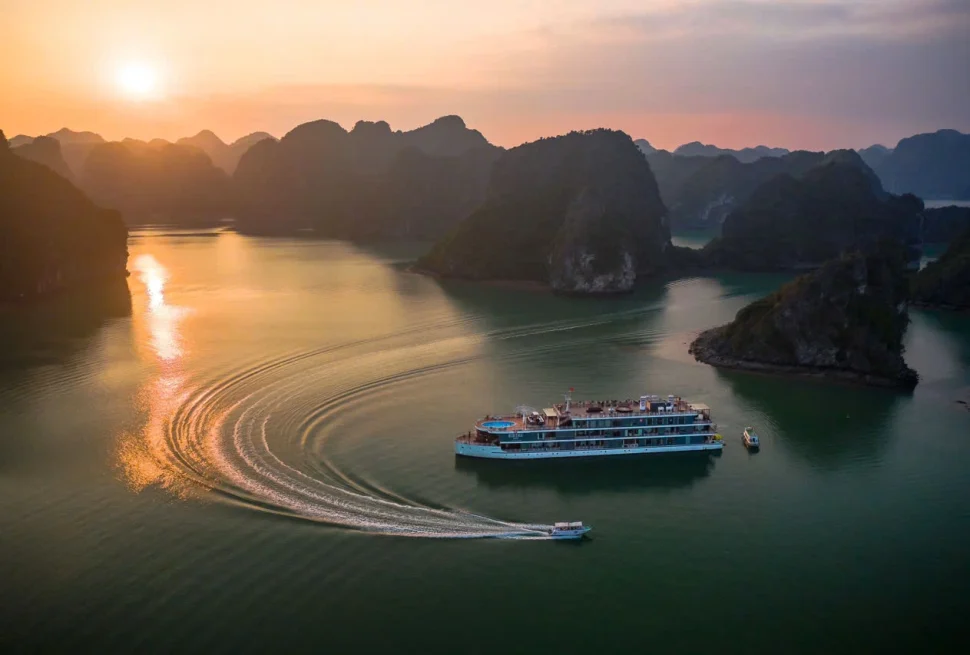
Ha Long Bay is one of Vietnam’s most recognizable landscapes.
Hundreds of limestone islands rise from the emerald waters, creating a distinctive seascape that is especially photogenic from a boat.
A cruise allows travelers to photograph the landscape from multiple perspectives rather than from a single viewpoint. Sunrise and sunset can create particularly dramatic conditions when weather and visibility cooperate.
For a more atmospheric image, look beyond the famous islands and photograph boats, reflections, silhouettes and the changing colors of the water.

Sapa: Rice Terraces & Mountain Landscapes
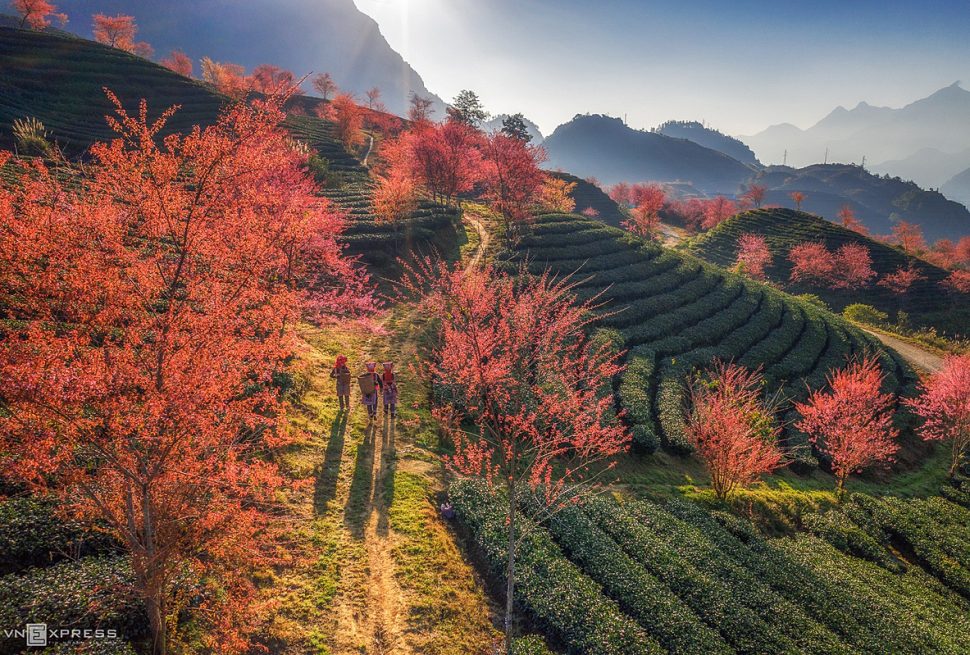
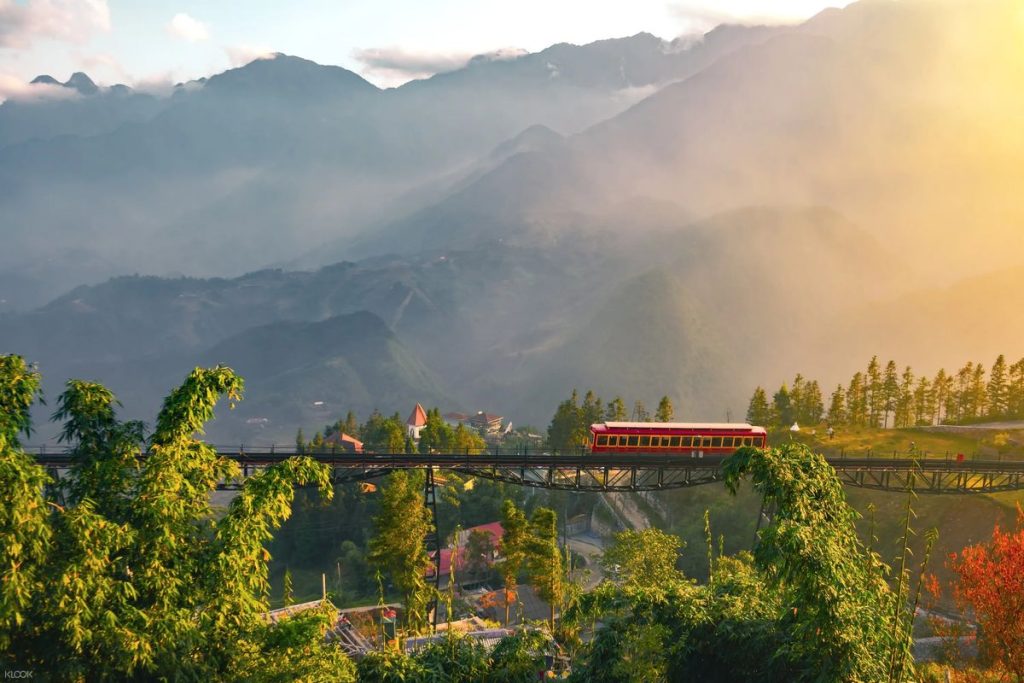
Sapa is one of the best destinations in Vietnam for landscape photography.
The surrounding valleys are characterized by dramatic rice terraces, mountains and traditional villages. The scenery changes significantly throughout the year depending on the agricultural season.
The Muong Hoa Valley is particularly popular with photographers because of its expansive rice terraces and mountain scenery.
Early morning can bring mist over the valleys, creating a completely different atmosphere from the clear views later in the day.
Travelers interested in photography should also consider exploring areas beyond central Sapa, where rural landscapes and village life provide more authentic photographic opportunities.
Ha Giang: Dramatic Roads & Mountain Scenery
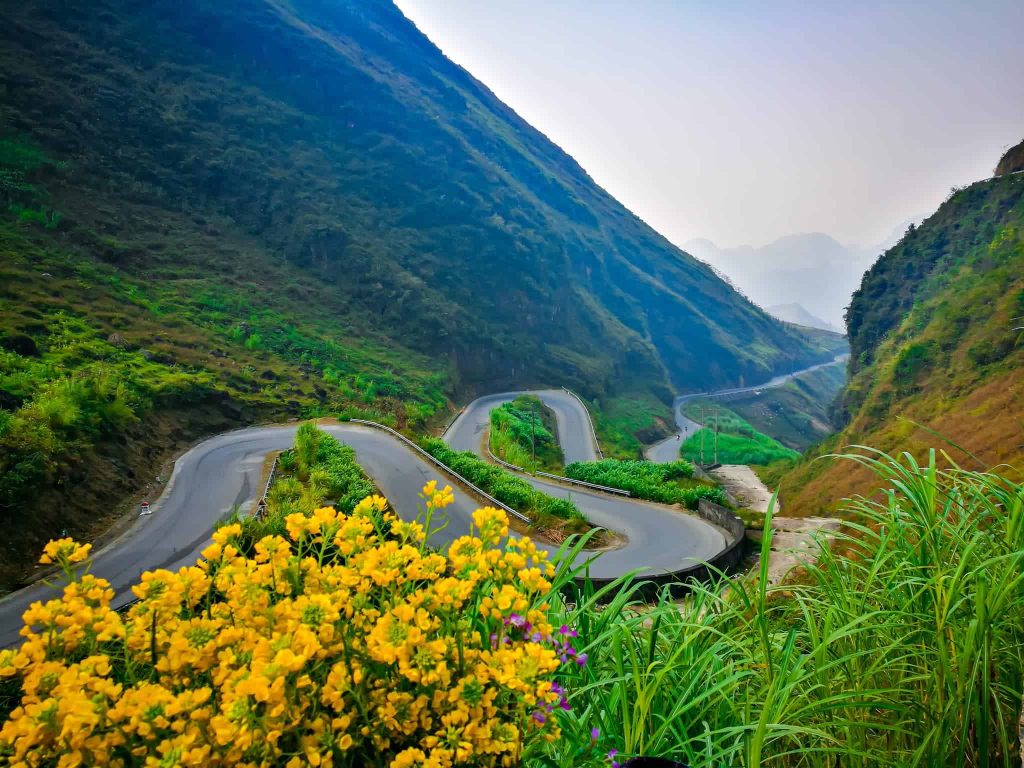
For travelers who want dramatic landscapes, Ha Giang is one of northern Vietnam’s most impressive destinations.
The region is known for steep limestone mountains, winding mountain roads, valleys and remote villages.
The Ma Pi Leng Pass offers some of the most spectacular viewpoints in the area, particularly overlooking the Nho Que River.
Because Ha Giang involves mountainous terrain, photography trips should be planned carefully. Weather can change quickly, and travelers should prioritize safety rather than stopping in dangerous locations simply to capture a photograph.
Hoi An: Lanterns, Architecture & Riverside Scenes
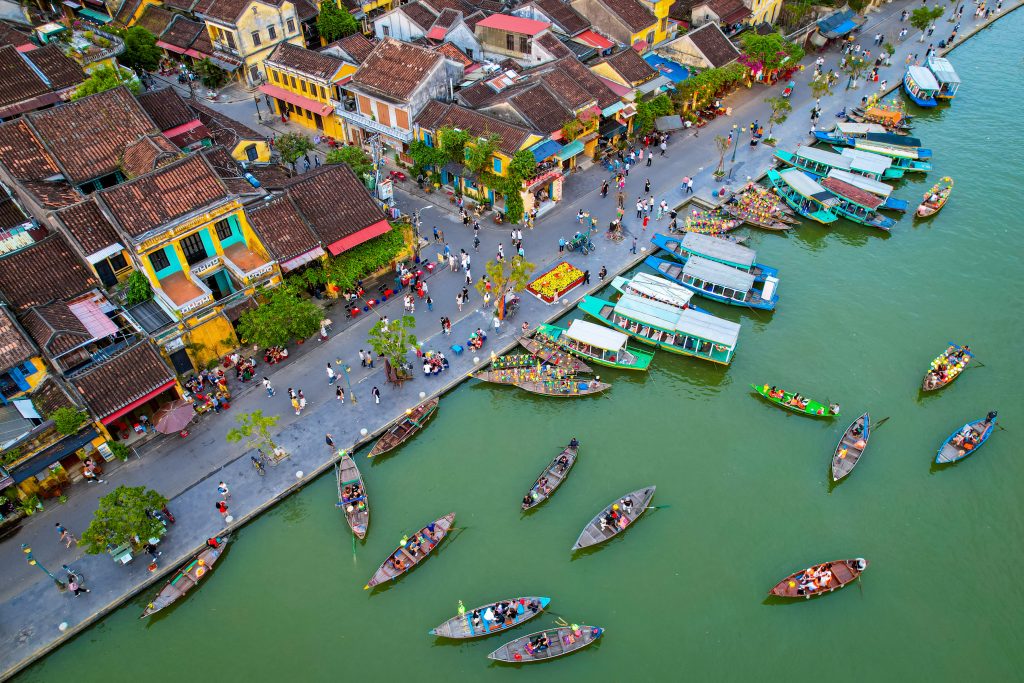
Hoi An is one of the easiest places in Vietnam to photograph beautifully.
The Ancient Town’s yellow buildings, wooden shutters, colorful lanterns and narrow streets create a distinctive visual identity.
The atmosphere becomes especially magical after sunset when lanterns illuminate the streets and reflect on the Thu Bon River.
During the day, photographers can focus on architecture, cafés, local shops and street scenes. At night, the focus shifts toward lanterns, reflections and the warm atmosphere of the Old Town.
For a more peaceful experience, visit early in the morning before the main tourist crowds arrive.
Hue: Imperial Architecture & Cultural Photography
Hue offers a different type of photography experience.
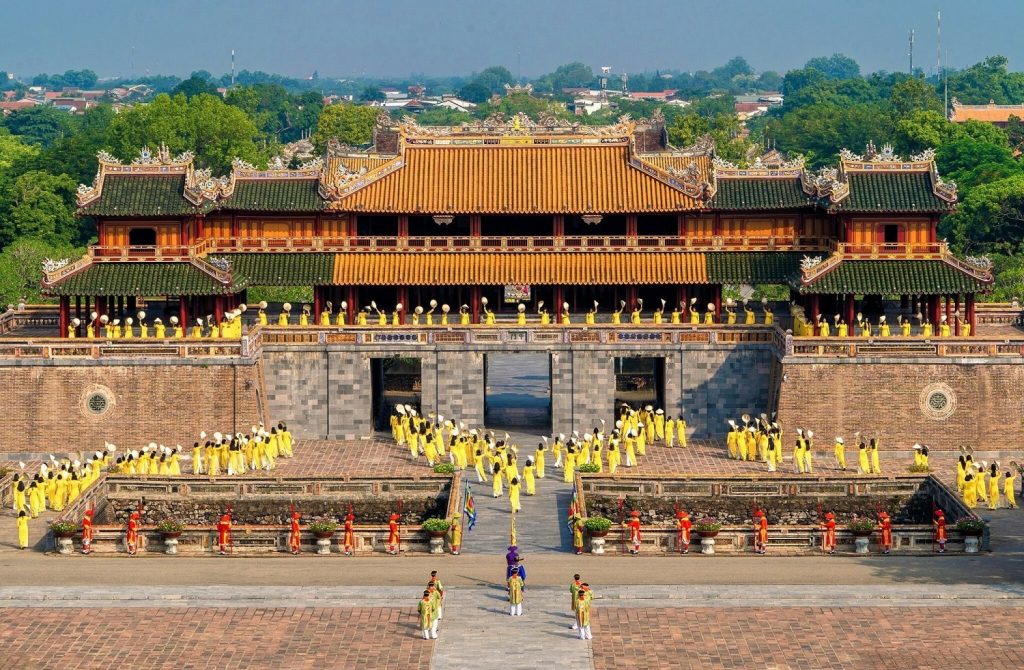
The city was the imperial capital of Vietnam, and its historic architecture provides opportunities to photograph gates, courtyards, temples, gardens and elaborate decorative details.
The Imperial City is particularly impressive for architectural photography.
The surrounding pagodas and royal tombs provide additional locations for photographers interested in Vietnamese history and traditional architecture.
Early morning and late afternoon are again preferable for softer light and fewer crowds.
Da Nang: Beaches, Bridges & Cityscapes
Da Nang combines natural landscapes with modern urban photography.
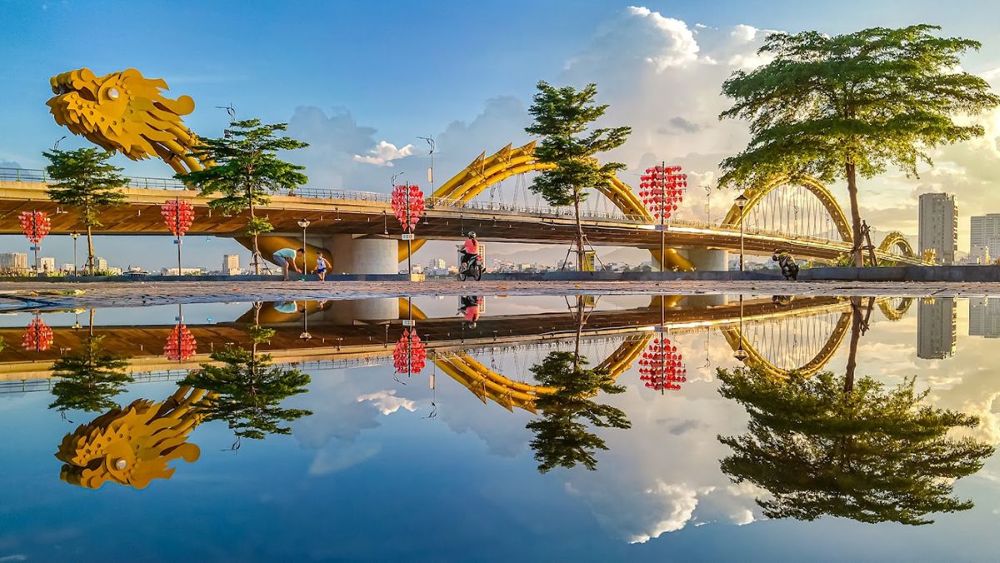
My Khe Beach is ideal for sunrise photography, while the Han River provides excellent evening views of the city and its illuminated bridges.
The Dragon Bridge is particularly photogenic after dark. On certain evenings, visitors may also see its well-known fire and water performance.
For a combination of mountains and coastline, the Marble Mountains offer elevated viewpoints, caves and temples.
Da Nang is therefore a good destination for photographers who want to capture both natural and urban scenes during the same trip.
Ho Chi Minh City: Street Photography & Modern Vietnam
Ho Chi Minh City offers a completely different visual environment from northern Vietnam.
The city is filled with motorcycles, street vendors, cafés, markets, colonial architecture and modern skyscrapers.
For street photography, the areas around District 1 and traditional markets provide plenty of activity.
For architecture and cityscape photography, look for locations where historic buildings contrast with modern high-rises.
Rooftop viewpoints can be particularly effective around sunset, allowing photographers to capture the transition from daylight to the city’s illuminated skyline.

Mekong Delta: Rivers, Markets & Rural Life
The Mekong Delta is ideal for travelers interested in documentary-style photography.
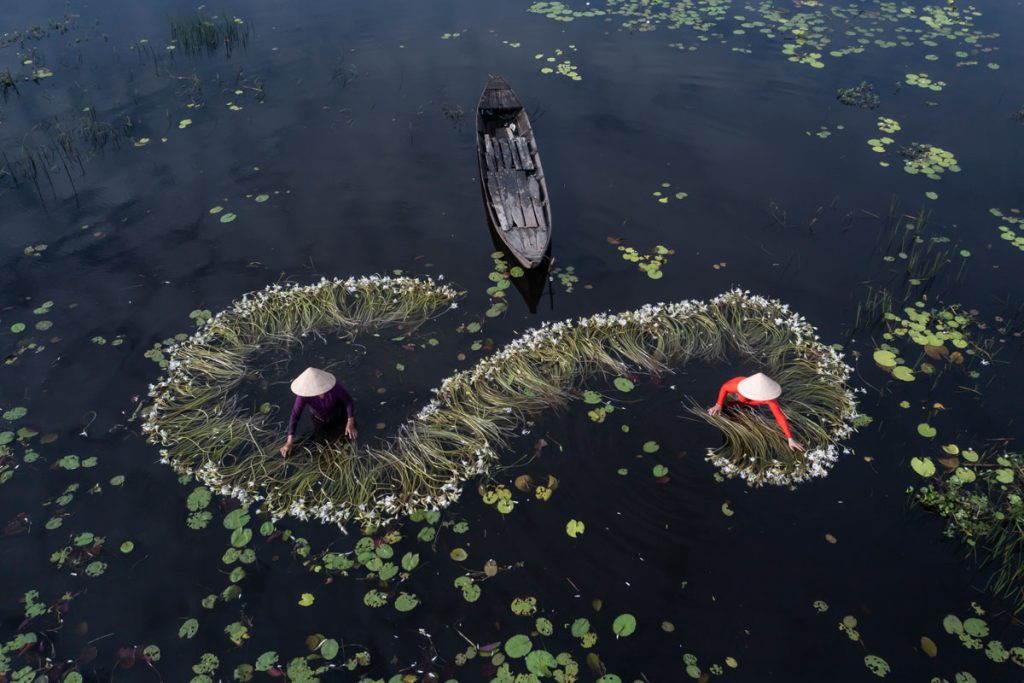
The region offers opportunities to photograph rivers, boats, fruit orchards, traditional houses, farms and rural communities.
Floating markets and early-morning river activity can be especially interesting, although the experience varies depending on the destination and current local activity.
The best photographs often come from observing daily life rather than simply photographing tourist attractions.
Always remember that the people you photograph are part of someone’s everyday life, not simply a backdrop for a travel photograph.
Phu Quoc: Beaches, Sunsets & Island Photography
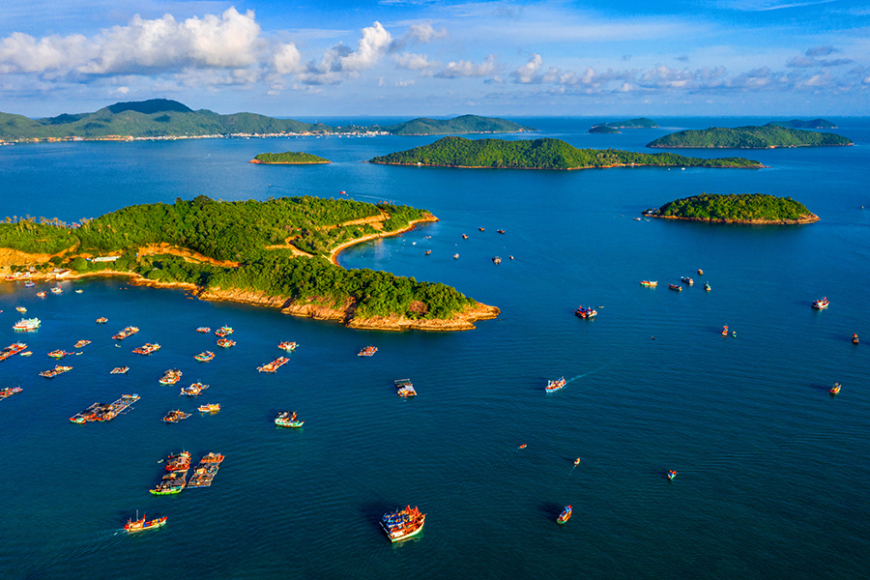
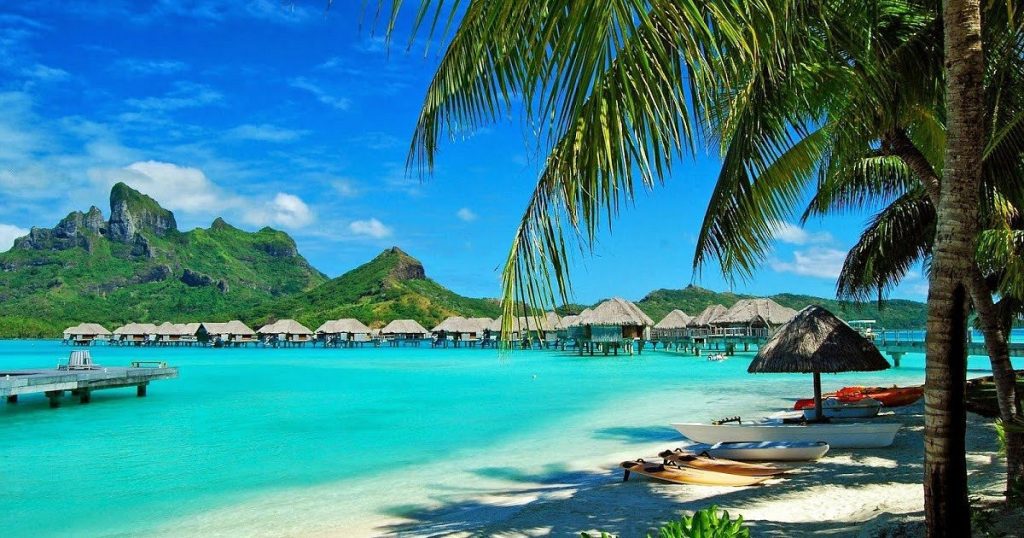
Phu Quoc is one of Vietnam’s best destinations for tropical photography.
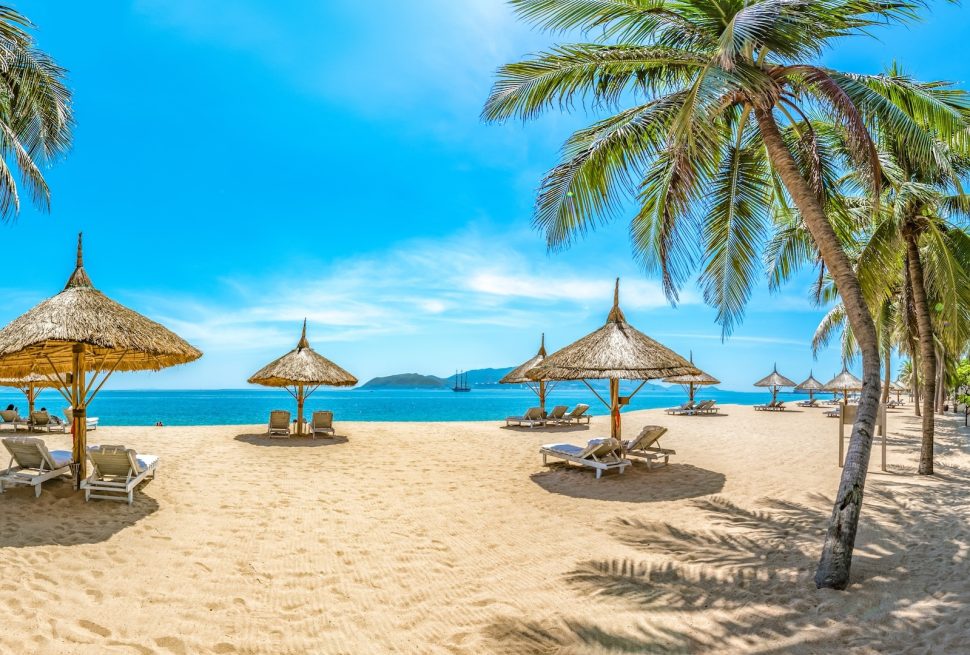
The island offers beaches, palm trees, fishing boats, clear water and spectacular sunsets along its western coast.
Sunset is usually the highlight for photographers. Arriving early allows you to find a good viewpoint and capture the changing colors before and after the sun disappears.
For a more authentic perspective, explore fishing villages and local markets rather than photographing only resort areas.
Best Time of Day for Photography in Vietnam
Timing can make a huge difference to your photographs.
Early morning is excellent for street photography, markets, beaches and landscapes. The light is softer, temperatures are more comfortable and popular locations are usually less crowded.
Late afternoon provides warm light and is ideal for architecture, landscapes and portraits.
Sunset is particularly effective for coastal destinations such as Da Nang and Phu Quoc, as well as city skylines.
Blue hour, shortly after sunset, can be excellent for city photography because the sky still has some natural color while buildings and street lights begin to illuminate.
Midday is generally the most challenging period for photography because sunlight can be harsh and create strong shadows.
Smartphone Photography Tips for Vietnam
You do not need an expensive camera to take great travel photographs.
Keep your phone lens clean, especially after spending time at the beach or outdoors.
Use the grid function to help with composition and keep horizons straight.
Avoid excessive digital zoom. If possible, move closer to your subject instead.
When photographing landscapes, look for foreground elements that add depth to the image.
For street scenes, wait for an interesting person, vehicle or moment to enter the frame rather than taking a photograph of an empty street.
Most importantly, do not spend the entire trip looking through your screen. Some of Vietnam’s best experiences are better enjoyed first and photographed second.
What Camera Equipment Should You Bring?
For most travelers, a smartphone or compact camera is sufficient.
If photography is a major reason for your trip, a mirrorless or DSLR camera with a versatile zoom lens can be useful for landscapes, architecture and wildlife.
A lightweight tripod can help with sunrise, sunset, night photography and long exposures, but check local rules before using one in busy public areas or attractions.
A power bank is also highly recommended. Long days of sightseeing, GPS navigation and photography can quickly drain a phone battery.
For travelers visiting rural or mountainous regions, extra memory and weather protection for equipment can also be useful.
Photography Etiquette in Vietnam
Respect is more important than getting the perfect photograph.
When photographing people, especially close-up portraits, it is best to ask for permission whenever practical.
Be particularly respectful when photographing monks, religious ceremonies, private homes, children and people working.
Avoid entering restricted areas simply to obtain a better photograph.
At temples and religious sites, follow posted rules regarding photography. Flash photography may not be permitted in some locations.
If someone clearly indicates that they do not want to be photographed, respect their decision.
A good travel photograph should capture a genuine moment without making the person uncomfortable.
Should You Book a Tour for a Photography Trip?
A photography-focused trip does not necessarily need to follow a standard sightseeing schedule.
If you want to photograph specific locations at sunrise, sunset or during quieter periods, transportation and timing become particularly important. A private itinerary can give you more flexibility to spend additional time at locations that are especially interesting for photography.
Travelers can also arrange customized itineraries with Vietnam Tourist to combine major attractions with photography-friendly locations and suitable shooting times.
This can be particularly useful for destinations such as Ninh Binh, Sapa, Ha Giang and the Mekong Delta, where travel time and local transportation can have a major impact on the day.
Best Vietnam Destinations for Different Photography Styles
| Photography style | Best destinations |
|---|---|
| Street photography | Hanoi, Ho Chi Minh City |
| Mountains & landscapes | Ha Giang, Sapa, Ninh Binh |
| Rice terraces | Sapa, northern Vietnam |
| Limestone scenery | Ninh Binh, Ha Long Bay |
| Historic architecture | Hoi An, Hue, Hanoi |
| Beaches & sunsets | Phu Quoc, Da Nang, Nha Trang |
| Rural life | Mekong Delta, northern Vietnam |
| City photography | Ho Chi Minh City, Hanoi, Da Nang |
| Lantern & night photography | Hoi An |
| Cultural photography | Hue, Hanoi, Mekong Delta |
Final Thoughts
Vietnam is an exceptional destination for travel photography because every region offers a different visual story.
The north provides dramatic mountains, rice terraces and traditional rural landscapes. Central Vietnam combines historic architecture, lantern-lit streets and beautiful coastlines, while the south offers vibrant cities, river life and tropical islands.
You do not need professional equipment or perfect weather to create memorable photographs. What matters most is choosing the right time, slowing down, observing local life and being respectful toward the people and places you photograph.
Whether you are carrying a professional camera or simply your phone, Vietnam offers countless opportunities to return home with photographs that capture not only what the country looks like, but also what it feels like to be there.
Vietnam Tourist – Your Journey, Our Passion