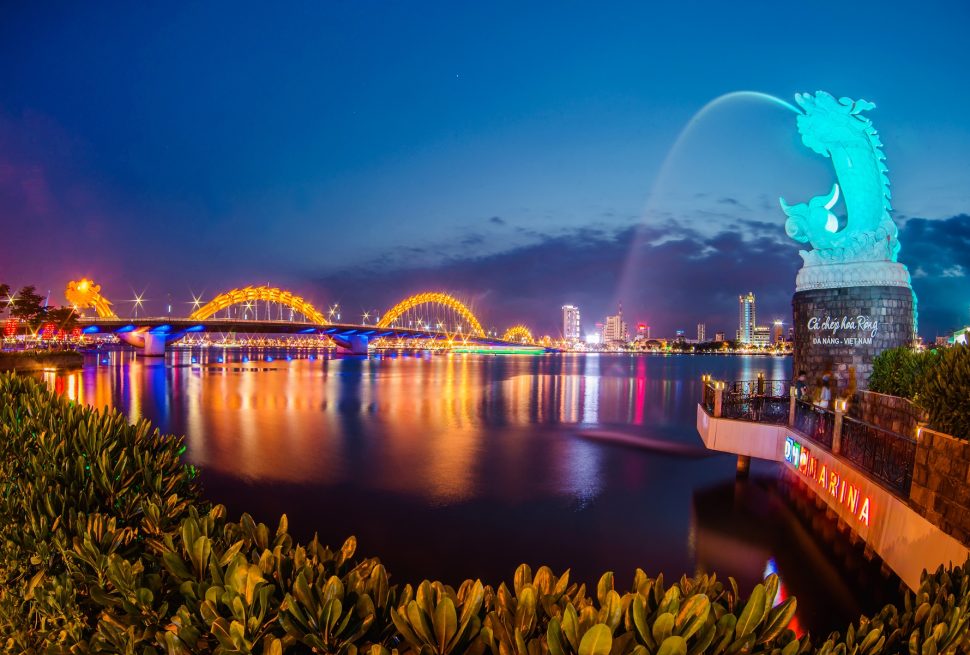
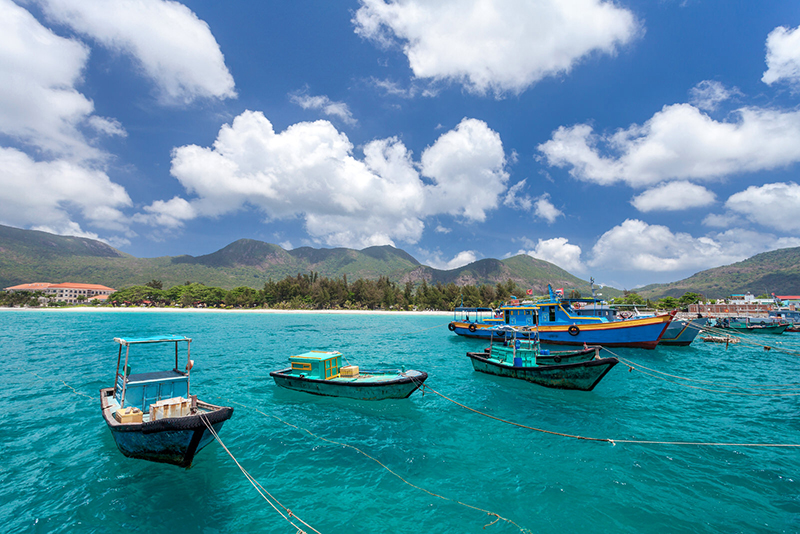
Vietnam is a year-round destination, but the best time to visit depends on where you’re going. Stretching over 1,600 kilometers (1,000 miles) from north to south, the country has three distinct climate zones, meaning the weather can vary greatly between regions on the same day. While Hanoi may be enjoying cool autumn weather, the beaches of Phu Quoc could be basking in tropical sunshine.
Understanding Vietnam’s seasonal patterns will help you choose the right destinations, pack appropriately, and enjoy the best possible travel experience. Whether you’re planning a cultural journey, a beach holiday, or an adventure through the mountains, this month-by-month guide will help you decide when and where to visit.

Understanding Vietnam’s Climate
Vietnam is divided into three main regions, each with its own weather patterns.
Northern Vietnam includes Hanoi, Ha Long Bay, Ninh Binh, Sapa, and Ha Giang. The region experiences four distinct seasons, with cool winters and hot, humid summers.
Central Vietnam covers destinations such as Hue, Da Nang, Hoi An, Quy Nhon, and Nha Trang. It generally enjoys warm weather but has a rainy season later in the year.
Southern Vietnam includes Ho Chi Minh City, the Mekong Delta, and Phu Quoc. Temperatures remain warm year-round, with a dry season and a tropical rainy season.
Vietnam Weather by Month
January
January is one of the best months to visit Vietnam. Northern Vietnam enjoys cool, pleasant weather, making it perfect for exploring Hanoi, Ha Long Bay, and Ninh Binh. Southern Vietnam is sunny and dry, while central destinations such as Da Nang and Hoi An begin to experience improving weather after the rainy season.
Best destinations: Hanoi, Ha Long Bay, Ninh Binh, Ho Chi Minh City, Phu Quoc.

February
February offers comfortable temperatures across most of the country and is an excellent time for sightseeing. Spring flowers begin to bloom in the north, while southern beaches remain warm and sunny.
Best destinations: Hanoi, Sapa, Ha Long Bay, Da Nang, Phu Quoc.

March
March is widely considered one of the best months to travel throughout Vietnam. The weather is pleasant in all three regions, making it ideal for travelers planning a north-to-south itinerary.
Best destinations: Hanoi, Ha Long Bay, Ninh Binh, Hoi An, Da Nang, Ho Chi Minh City.

April
April continues to offer excellent travel conditions with warm temperatures, clear skies, and relatively low rainfall. Beaches along the central coast are particularly beautiful during this period.
Best destinations: Da Nang, Hoi An, Quy Nhon, Nha Trang, Ha Long Bay.

May
Temperatures begin to rise across the country. Northern and southern Vietnam become hotter, while central Vietnam enjoys excellent beach weather.
Best destinations: Da Nang, Hoi An, Quy Nhon, Nha Trang, Phu Quoc.
June
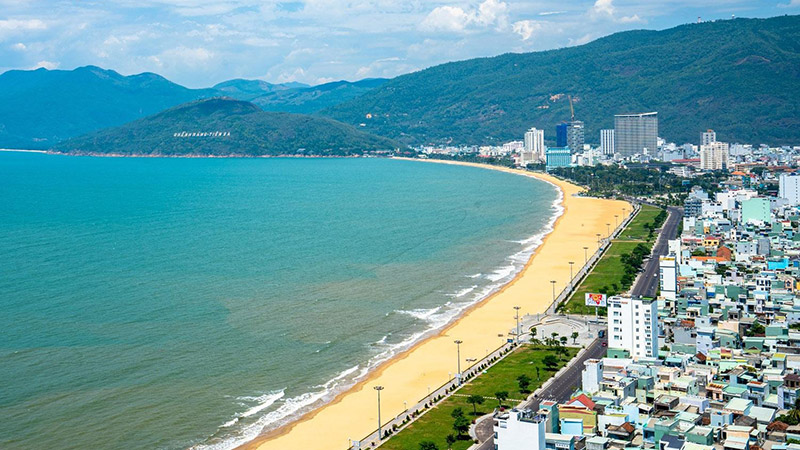
June marks the beginning of summer holidays in Vietnam. Beaches are lively, and central Vietnam enjoys long sunny days. Afternoon showers become more frequent in the south but usually don’t last long.
Best destinations: Da Nang, Nha Trang, Quy Nhon, Ha Long Bay.

July
July is hot and humid in many regions, with occasional heavy rain in the north and south. However, central Vietnam continues to enjoy excellent beach conditions.
Best destinations: Da Nang, Hoi An, Quy Nhon, Nha Trang.

August
August remains warm throughout the country. Rainfall increases in northern and southern Vietnam, while central beaches are still at their best.
Best destinations: Da Nang, Hoi An, Quy Nhon, Nha Trang.

September
September marks the beginning of autumn in northern Vietnam, bringing cooler temperatures and beautiful scenery. Meanwhile, central Vietnam gradually enters its rainy season.
Best destinations: Hanoi, Sapa, Ha Giang, Ninh Binh.

October
October is one of the most beautiful months to visit northern Vietnam. Rice terraces in Sapa and Ha Giang are stunning, and Hanoi enjoys mild, comfortable weather. Southern Vietnam also begins transitioning into the dry season.
Best destinations: Hanoi, Sapa, Ha Giang, Ninh Binh, Ho Chi Minh City.

November
November offers pleasant weather across northern and southern Vietnam. Central Vietnam may still experience rain, although conditions gradually improve toward the end of the month.
Best destinations: Hanoi, Ha Long Bay, Ho Chi Minh City, Phu Quoc.

December
December is one of the most popular months for international visitors. The weather is cool in the north and sunny in the south, making it ideal for both sightseeing and beach holidays.
Best destinations: Hanoi, Ha Long Bay, Ho Chi Minh City, Phu Quoc, Mekong Delta.

Best Time to Visit Popular Destinations
Hanoi: October to April offers cooler temperatures and comfortable sightseeing weather.
Ha Long Bay: March to May and September to November provide pleasant temperatures and good visibility for cruises.
Sapa: March to May and September to November are ideal for trekking and enjoying mountain scenery.
Ninh Binh: Visit between October and April for comfortable weather and beautiful landscapes.
Hue: February to August offers the driest conditions for exploring historical attractions.
Da Nang and Hoi An: February to August is the best period for beaches, outdoor activities, and sightseeing.
Quy Nhon and Nha Trang: March to August brings plenty of sunshine and calm seas.
Ho Chi Minh City: December to April is the dry season, making it the most comfortable time to visit.
Phu Quoc: November to April is considered the island’s best season, with clear skies and calm waters.
Tips for Choosing the Best Time
If you’re planning to travel across the entire country, March and April are generally the best months because the weather is favorable in almost every region.
Beach lovers should consider visiting central Vietnam between April and August or Phu Quoc during the dry season from November to April.
Travelers interested in trekking or photography will enjoy northern Vietnam during autumn, when the weather is cool and the landscapes are especially beautiful.
If you’re planning a multi-city itinerary, it’s worth consulting local experts to match your travel dates with the best weather in each destination. Many international travelers choose experienced local operators such as Vietnam Tourist to create customized itineraries that maximize good weather and minimize unnecessary travel.
Final Thoughts
There’s no single “best” time to visit Vietnam because every season offers something unique. Spring is ideal for exploring the entire country, summer is perfect for central beaches, autumn showcases the beauty of northern mountains, and winter brings pleasant weather to southern Vietnam.
By understanding the country’s regional climate, you can plan your trip around the destinations and experiences that matter most. Whether you’re cruising through Ha Long Bay, wandering the lantern-lit streets of Hoi An, trekking in Sapa, or relaxing on the beaches of Phu Quoc, choosing the right time to visit will help you make the most of your journey through Vietnam.
Vietnam Tourist – Your Journey, Our Passion