One of the most rewarding parts of traveling in Vietnam is experiencing its rich culture. Beyond breathtaking landscapes and delicious cuisine, Vietnam is a country where ancient traditions, family values, and local customs continue to shape everyday life.
Vietnamese people are known for their hospitality and kindness, and visitors are always welcomed with genuine warmth. While you don’t need to know every cultural tradition before arriving, understanding a few local customs will help you connect with people, show respect, and enjoy a more meaningful travel experience.
This guide introduces the most important aspects of Vietnamese culture and etiquette that every traveler should know before visiting Vietnam.
Greetings and First Impressions
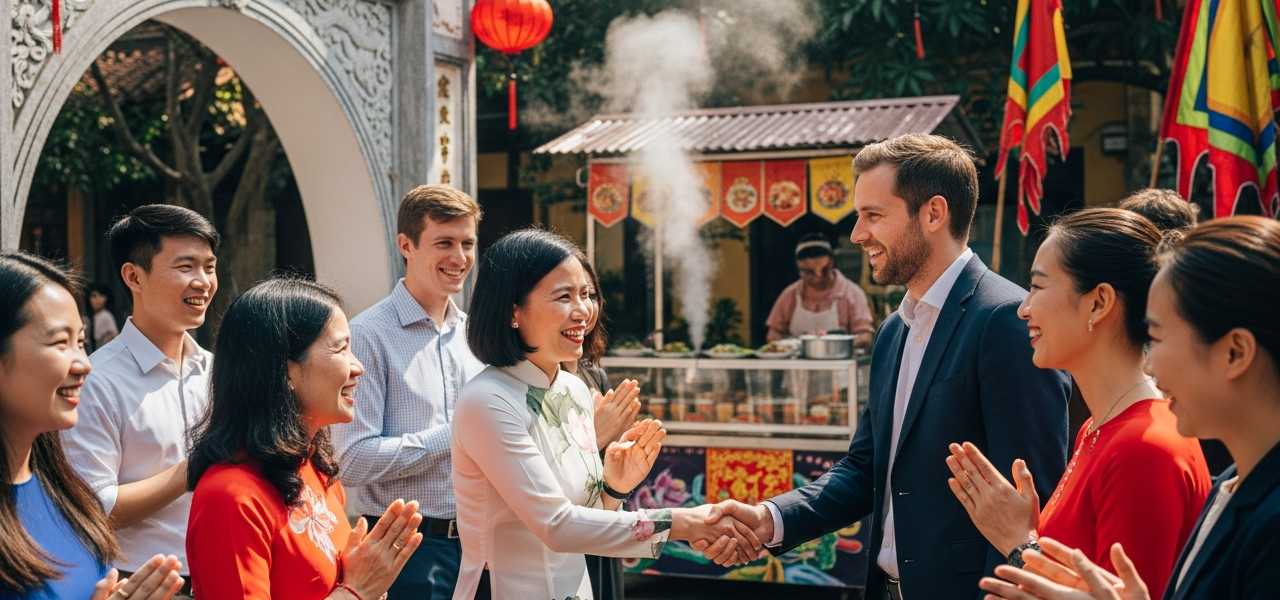
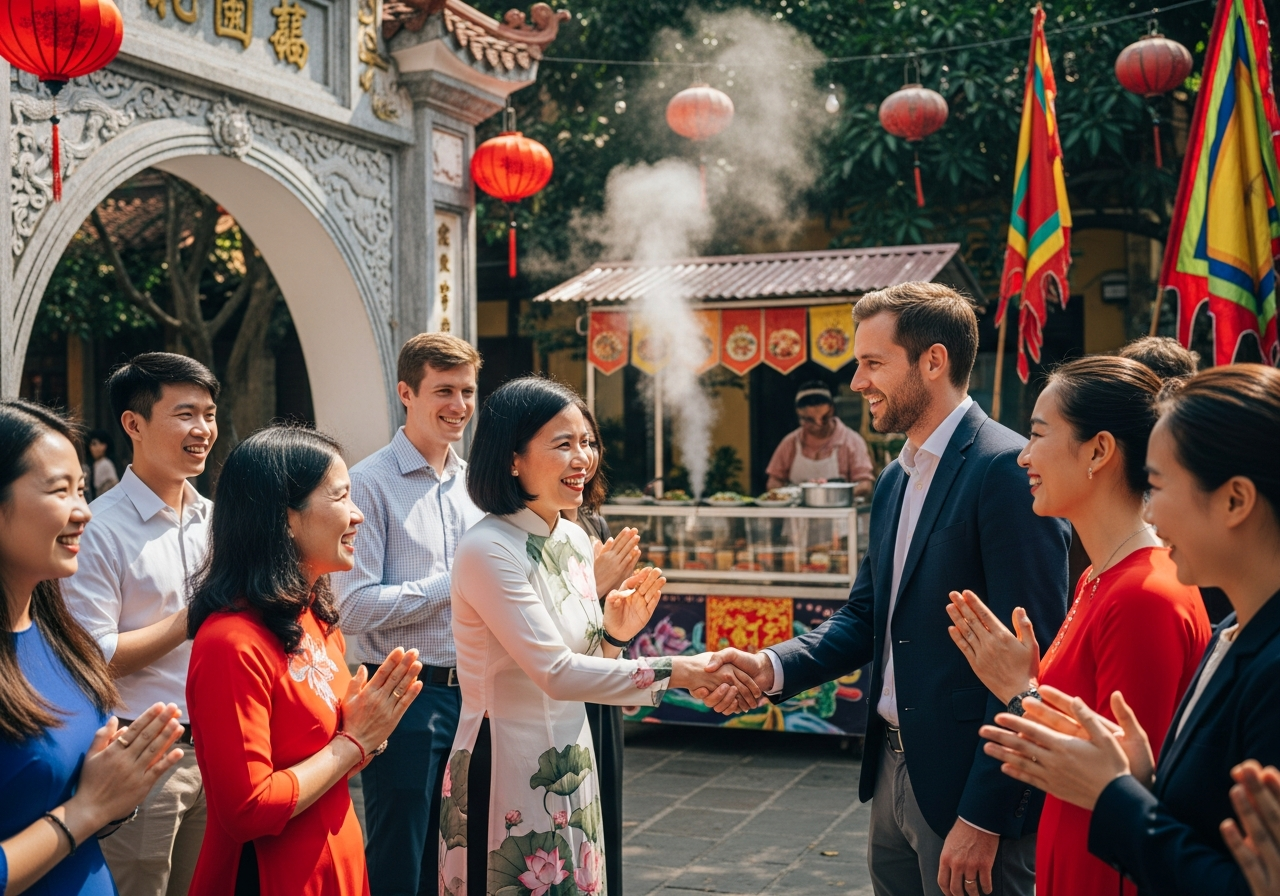
Vietnamese people usually greet each other with a smile and a simple “Xin chào” (Hello). In business settings or when meeting someone for the first time, a handshake is common, while close friends and family may greet each other more casually.
Unlike in some Western countries, public displays of affection are generally more reserved, especially in smaller towns and rural areas. A friendly attitude, patience, and a smile are often the best way to make a positive first impression.
Respect for Elders
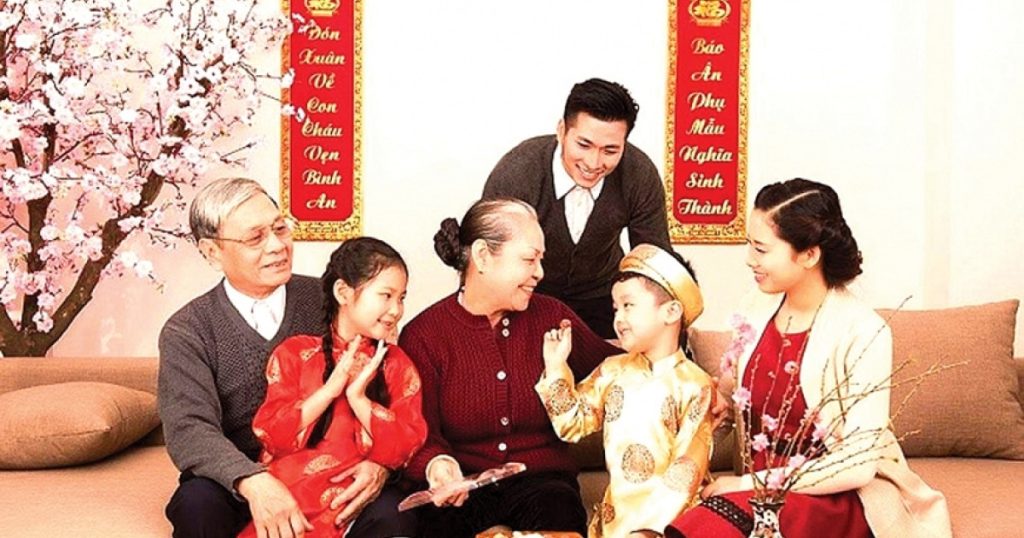
Respecting older people is deeply rooted in Vietnamese culture. Elders are often greeted first, offered the best seat at the table, and served meals before younger family members.
As a visitor, simple gestures such as greeting older people politely or allowing them to enter first are appreciated and reflect an understanding of local values.
Dress Modestly at Religious Sites
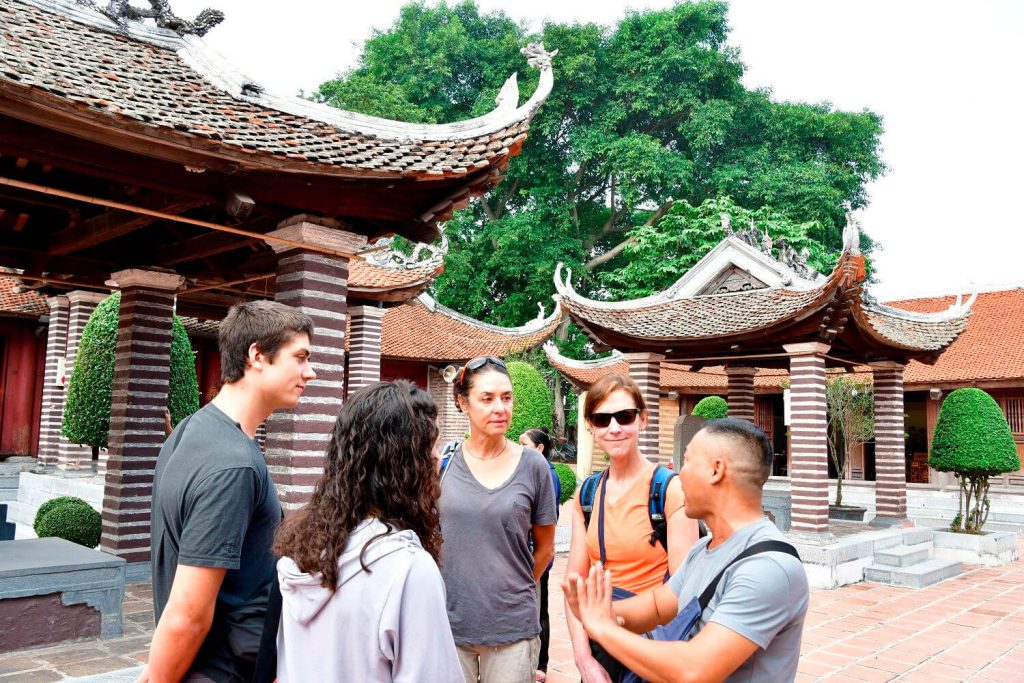
Vietnam is home to thousands of temples, pagodas, churches, and sacred sites. When visiting these places, dress respectfully by covering your shoulders and knees. Hats should be removed before entering prayer areas, and visitors are expected to speak quietly while exploring religious sites.
Many temples also require shoes to be removed before entering certain areas, so pay attention to local signs or follow what local visitors are doing.
Dining Etiquette
Sharing food is an important part of Vietnamese culture. Meals are often served family-style, with several dishes placed in the center of the table for everyone to enjoy together.
When eating with chopsticks, avoid sticking them upright into a bowl of rice, as this resembles incense offered during funerals and is considered inappropriate.
If someone pours tea for you, it’s polite to thank them with a smile or a small nod. Trying local dishes, even if they are unfamiliar, is also seen as a sign of appreciation.
Visiting Local Homes
If you’re invited into a Vietnamese home, consider it a special gesture of hospitality.
It’s common to remove your shoes before entering, and bringing a small gift such as fruit, tea, or snacks is always appreciated. Wait for the host to invite you to sit or begin eating, and thank them before leaving.
These simple acts show respect and gratitude for your host’s generosity.
Bargaining at Markets
Negotiating prices is common in traditional markets and souvenir shops, especially in popular tourist areas. Bargaining should always be friendly and respectful rather than confrontational.
Smile, negotiate politely, and remember that many handmade products represent hours of skilled work. In supermarkets, shopping malls, and branded stores, prices are fixed.
Photography Etiquette
Vietnam offers endless opportunities for photography, from colorful markets and rice terraces to ancient temples and fishing villages.
While landscapes and public spaces are generally fine to photograph, always ask for permission before taking close-up photos of local people, particularly children, elderly residents, or ethnic minority communities.
Showing respect often leads to warmer interactions and more memorable travel experiences.
Temple and Pagoda Etiquette
Temples are active places of worship, not simply tourist attractions.
Visitors should avoid loud conversations, running, or disruptive behavior. Refrain from touching religious statues or sacred objects unless specifically permitted, and never climb onto monuments for photographs.
Taking a few moments to observe the peaceful atmosphere is often one of the most memorable parts of visiting these historic sites.
Understanding Vietnamese Hospitality
Many visitors are surprised by the friendliness of Vietnamese people. Locals may offer directions, recommend restaurants, or even invite travelers to share a meal.
Accept these moments with appreciation and curiosity. Although language barriers sometimes exist, kindness and genuine interest often create meaningful connections that become lasting travel memories.
Small Cultural Tips That Make a Big Difference
Avoid pointing your feet toward people or religious objects when sitting.
Use both hands when giving or receiving important items whenever possible, particularly gifts or business cards.
Speak calmly and avoid raising your voice during disagreements, as maintaining harmony is highly valued in Vietnamese society.
Learning a few simple Vietnamese phrases such as “Xin chào” (Hello), “Cảm ơn” (Thank you), and “Tạm biệt” (Goodbye) can instantly create a positive impression and often brings a smile to local people’s faces.
Experience Vietnamese Culture Beyond the Tourist Attractions
While famous landmarks are worth visiting, some of the most authentic cultural experiences happen away from crowded tourist sites. Join a cooking class, visit a traditional craft village, cycle through the countryside, or spend time at a local market in the early morning.
Many travelers also choose guided cultural experiences arranged by trusted local companies such as Vietnam Tourist, allowing them to meet local families, discover regional traditions, and gain a deeper understanding of Vietnamese life beyond the typical sightseeing itinerary.
Final Thoughts
Vietnam’s culture is built on respect, community, hospitality, and tradition. By learning a few simple customs before your trip, you’ll not only avoid cultural misunderstandings but also enjoy richer interactions with the people you meet.
Whether you’re exploring ancient temples in Hue, wandering through Hanoi’s Old Quarter, sharing a meal in the Mekong Delta, or meeting local artisans in Hoi An, embracing Vietnamese culture will make your journey far more rewarding. Sometimes, it’s these small moments of connection-not just the famous attractions-that become the most unforgettable memories of traveling in Vietnam.
Vietnam Tourist – Your Journey, Our Passion