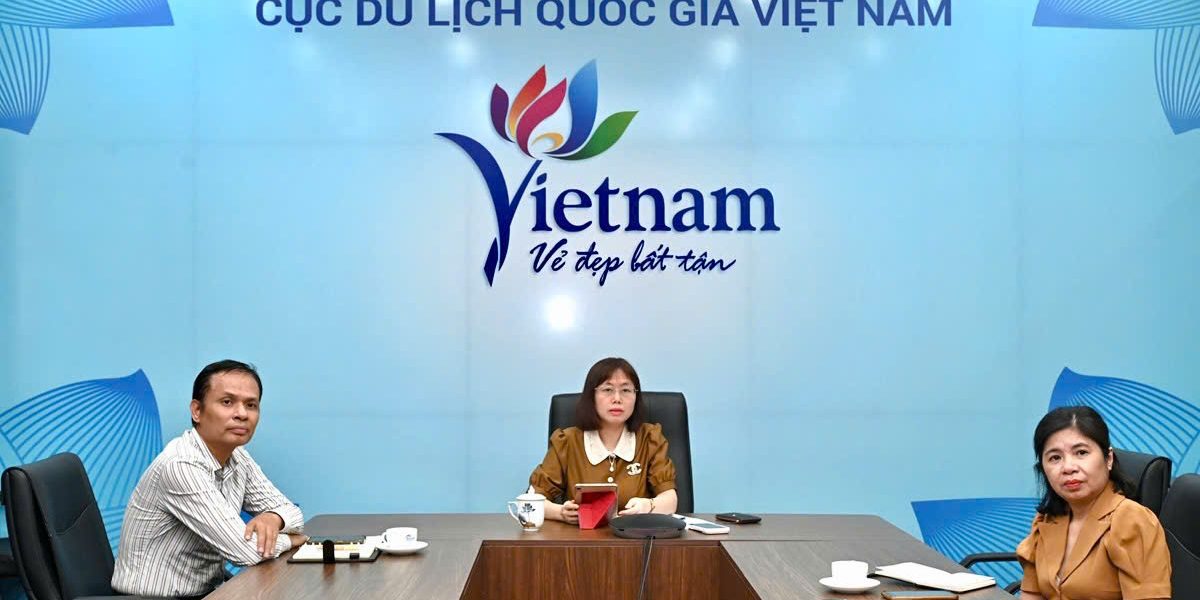
(TITC) – On 29 May, Vice Chairwoman of the Vietnam National Authority of Tourism (VNAT) Nguyen Thi Hoa Mai attended the workshop titled “Promoting and Strengthening Vietnam – Russia Tourism Cooperation: Potentials and Solutions”. The event was organized by the Embassy of Vietnam in the Russian Federation, combining an in-person gathering at the main venue in Moscow with virtual connectivity.
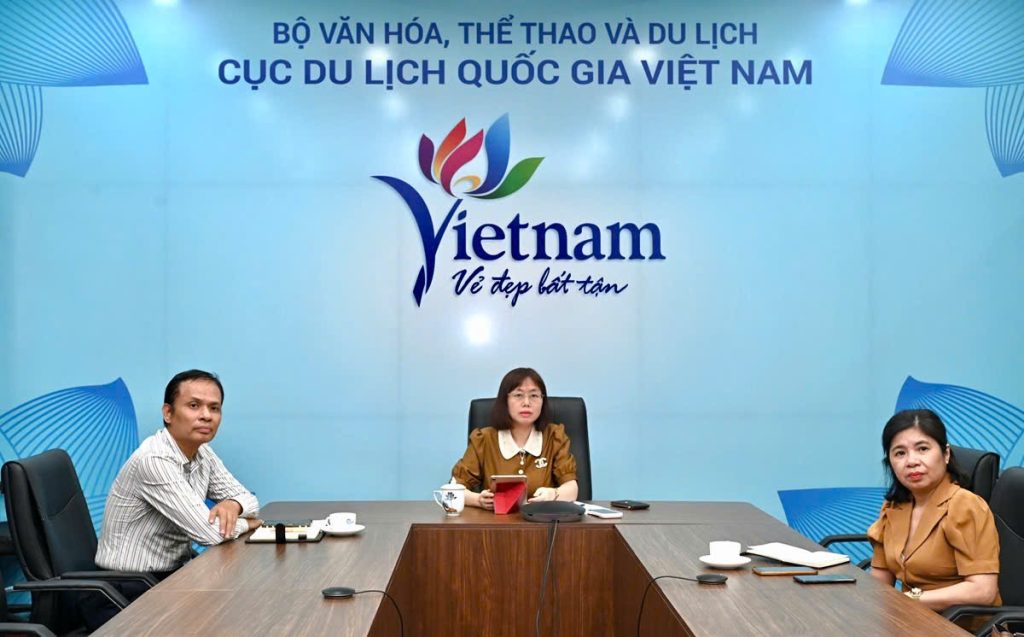
The workshop brought farewell to traditional barriers, drawing high-level participation including Mr. Dang Minh Khoi, Ambassador Extraordinary and Plenipotentiary of Vietnam to the Russian Federation; Mr. Nikita Kondratiev, Director of the Department of Multilateral Economic Cooperation and Special Projects under the Ministry of Economic Development of the Russian Federation; alongside representatives from VNAT departments, central and local tourism management authorities, and major tourism enterprises from both nations.
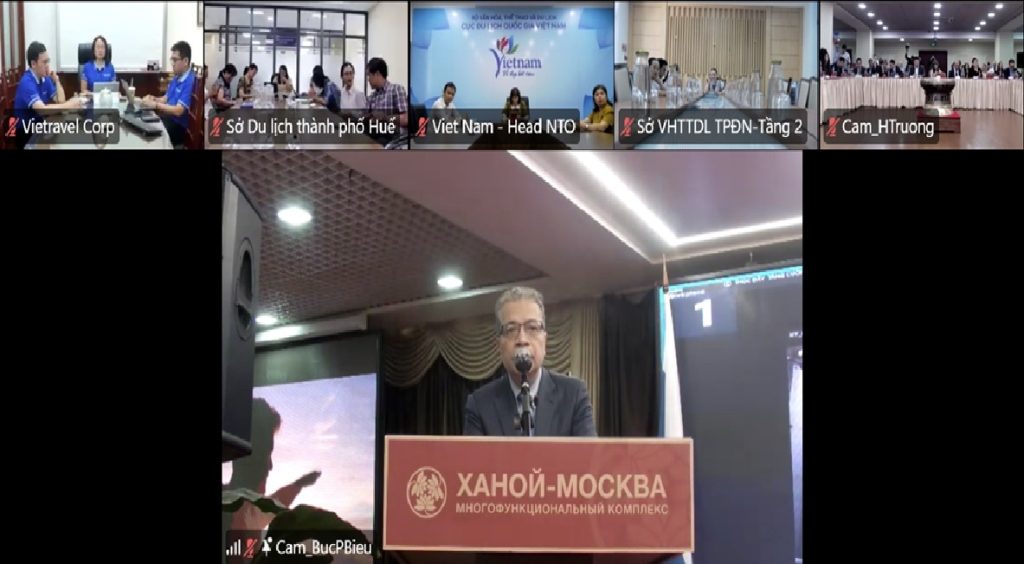
In his opening remarks, Ambassador Dang Minh Khoi highlighted that bilateral relations between Vietnam and the Russian Federation have grown robustly in recent years, underscored by frequent and substantive high-level exchanges.
Notably, in 2025, General Secretary and President To Lam led a high-ranking Vietnamese delegation to Russia to attend the 80th Anniversary of Victory in the Great Patriotic War, holding pivotal talks with Russian President Vladimir Putin. According to the Ambassador, a core area of consensus between the two heads of state was the acceleration of people-to-people exchanges, cultural cooperation, tourism, and education.
To realize these high-level agreements, the Vietnamese Embassy in Russia collaborated with the Moscow City Tourism Committee in 2025 to host the cultural week “Vietnam – Tropical Colors,” which attracted approximately 1 million visitors over its 10-day run. Concurrently, “Moscow Cultural Days” was vibrantly celebrated in Vietnam, featuring performances by numerous Russian art troupes.
Ambassador Dang Minh Khoi noted that the aviation sectors of both countries have successfully restored and expanded both direct and charter flights. Currently, during the peak travel season from October to April, there are roughly 40 to 50 weekly flights operating from various Russian localities to premier Vietnamese destinations, while the low season maintains a steady 15 to 20 flights per week. Conversely, over 40,000 Vietnamese tourist arrivals visited Russia in 2025, with Moscow and Saint Petersburg remaining the top choices.
The Ambassador emphasized that Vietnam has cemented its status as a highly attractive destination for Russian travelers. Russia stands as Vietnam’s largest European source market, characterized by high-spending visitors with extended lengths of stay, many of whom opt for long-term residencies to escape winter and work remotely.
Vietnam North to South Tour Package
He asserted that the potential for tourism cooperation remains immense. If current bottlenecks are resolved, two-way tourist traffic will continue to surge. To this end, Ambassador Khoi proposed several strategic solutions: (i) Innovating Promotional Methods: Deploying large-scale tourism promotion campaigns; (ii) Aviation Expansion: Researching the opening of more scheduled direct routes between localities while maintaining efficient charter flight networks; (iii) Human Resource Development: Cultivating a larger cohort of Russian-speaking tour guides to match the influx of tourists; (iv) Product Diversification: Expanding tailored offerings for the Russian market, including long-stay wellness retreats, medical tourism, MICE (Meetings, Incentives, Conferences, and Exhibitions), and corporate seminars for large Russian conglomerates; (v) Payment Optimization: Facilitating smoother hotel bookings and tour purchases directly from Russia. The Ambassador noted that integrating the Russian banking network with Vietnam’s QR code payment infrastructure represents a highly practical step forward.
Deepening bridges of friendship and tourism growth
Addressing the workshop, VNAT’s Vice Chairwoman Nguyen Thi Hoa Mai highly commended the Embassy’s initiative in organizing the event amidst blossoming bilateral ties. She described it as a crucial platform to synchronize tourism authorities and businesses, deepen cooperation, and devise concrete strategies to accelerate visitor exchange.
“Tourism has always been one of the most vital bridges binding the peoples of our two nations. While Russian citizens have long held a special affection for Vietnam, Vietnam consistently views Russia as a close friend and a premier, traditional market rich in potential”, VNAT’s Vice Chairwoman Nguyen Thi Hoa Mai stated.
Expressing optimism over the robust recovery of the Russian market, she said in 2025, Vietnam welcomed 680,000 Russian tourist arrivals, representing a staggering 197% year-on-year growth compared to 2024. The upward trajectory intensified in the first four months of 2026, with arrivals reaching 505,000, a 203% increase over the same period in 2025. This momentum underscores a deep mutual trust and an accelerating demand for travel between the two populations.

VNAT’s Vice Chairwoman Nguyen Thi Hoa Mai speaking at the workshop
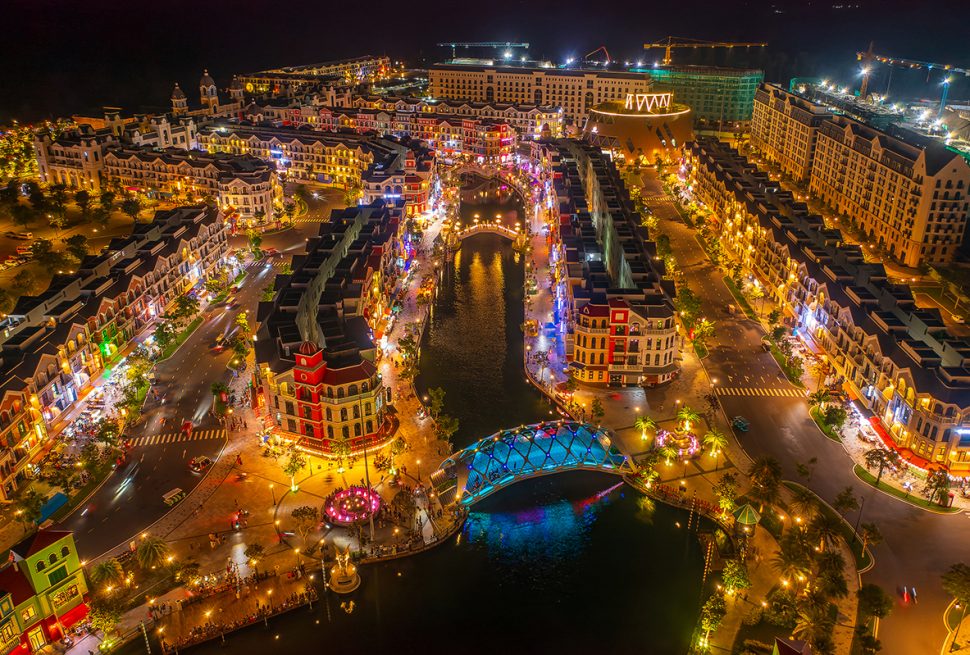
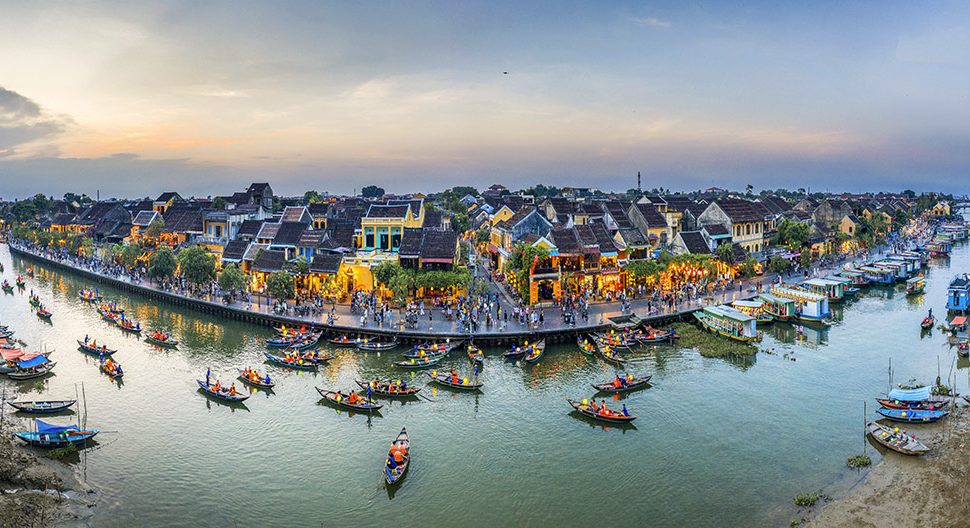
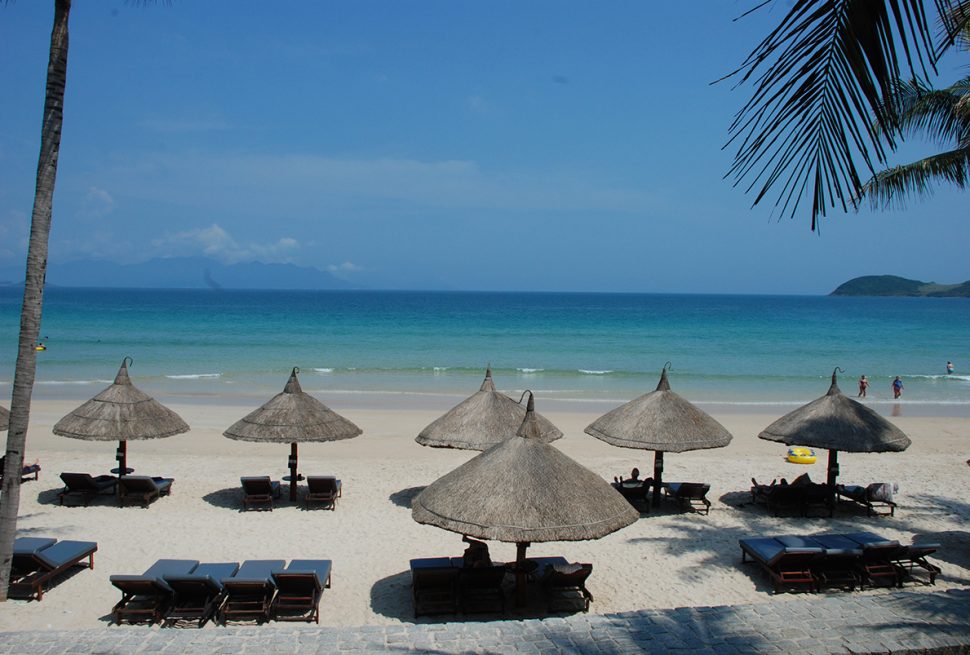
Vietnam holds distinct advantages tailored to Russian preferences: a year-round warm tropical climate, pristine coastlines, premium resorts, rich cultural heritage, diverse cuisine, and renowned hospitality. Coastal hubs like Nha Trang, Phu Quoc, Da Nang, and Mui Ne have long been established favorites.
To unlock a definitive breakthrough in tourism cooperation, VNAT’s Vice Chairwoman Nguyen Thi Hoa Mai urged both sides to focus on several priority areas.
Regarding the streamlining visa policies, Vietnam maintains a policy of offering maximum convenience to international travelers, including those from Russia. VNAT’s Vice Chairwoman Nguyen Thi Hoa Mai proposed that both nations continue studying more flexible and seamless visa mechanisms, particularly for group tours and charter flight passengers, which would act as a catalyst to boost length of stay and tourist expenditure.
As travel demand spikes, the current volume of direct flights has yet to meet market capacity. The VNAT leader urged airlines, aviation authorities, and travel agencies from both countries to cooperate in launching more scheduled direct routes and charter flights connecting Russian regions to Vietnam’s major tourism hubs. This expansion will reduce travel times and costs, reinforcing confidence among tour operators and investors.
VNAT’s Vice Chairwoman Nguyen Thi Hoa Mai recommended a regular exchange of market intelligence and consumer trends, alongside mutual support for tourism roadshows and international travel fairs hosted in each country.
On this occasion, she extended an official invitation to Russian tourism authorities and businesses to participate in the International Travel Expo Ho Chi Minh City (ITE HCMC) 2026, scheduled from 27-29 August, to explore partnership opportunities and destination marketing.
Furthermore, she called for focused development on niche products (such as golf and cultural tourism), intensive training for Russian-speaking tourism professionals, the promotion of digital payment solutions, and maximized media exposure via digital platforms, famtrips, and presstrips.
Affirming that Vietnam’s tourism sector stands ready to accompany Russian partners, VNAT’s Vice Chairwoman Nguyen Thi Hoa Mai stated that Vietnam will continuously elevate service quality, secure an exceptionally safe and welcoming environment, and tailor products to contemporary Russian tastes. She expressed firm confidence that backed by government determination, corporate synergy, and time-honored friendship, bilateral tourism will shine as a hallmark of Vietnam-Russia relations.
A strategic pillar in bilateral relations
Representing the Russian Federation, Nikita Kondratiev, Director of the Department of Multilateral Economic Cooperation and Special Projects at the Ministry of Economic Development, emphasized that Vietnam-Russia cooperation is highly strategic, spanning not only agriculture and energy but also tourism, a traditional sector now experiencing a new wave of momentum.
According to Mr. Kondratiev, within a single year, Russia climbed from the 8th to the 5th largest source market for international arrivals to Vietnam, with current visitor numbers surpassing pre-pandemic benchmarks. He agreed that future efforts must center on aviation, visa simplification, payment integration, and joint marketing.
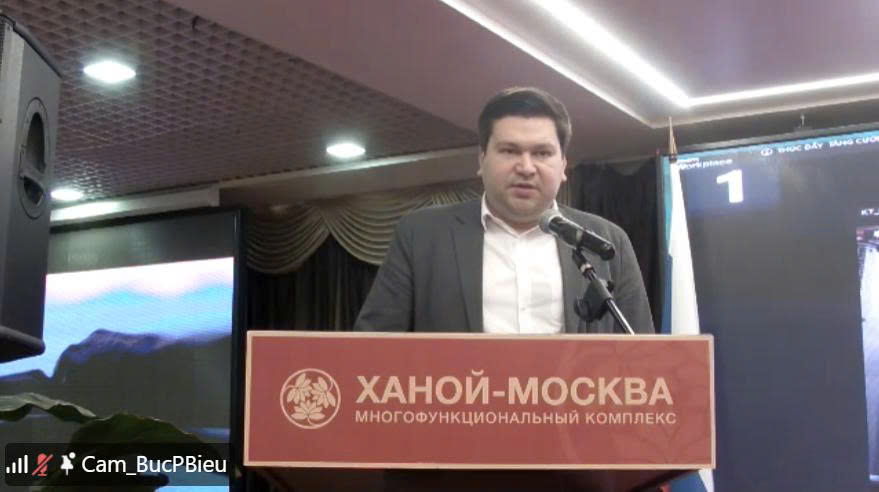
Nikita Kondratiev, Director of the Department of Multilateral Economic Cooperation and Special Projects at the Ministry of Economic Development
Regarding flight infrastructure, he reported that between March 2025 and April 2026, weekly flights between the two countries increased by 6 to 7 operations, with 25 Russian regions currently running routes to Vietnam. He advocated for a broader expansion of routes connecting more regional hubs.
On visa policies, Mr. Kondratiev lauded Vietnam’s highly favorable terms for Russian travelers. On the Russian side, Vietnamese tourists can now utilize electronic visas (e-visas) with an extended permitted stay raised from 16 to 30 days. Additionally, Russia is actively evaluating a visa-waiver mechanism for organized Vietnamese tour groups.
Russia is also rolling out diverse payment solutions for its travelers in Vietnam and seeks close coordination with Vietnamese partners to popularize these methods among businesses and consumers. Mr. Kondratiev highly valued the mutual participation in each other’s travel expos, adding that digital marketing campaigns must be amplified to maximize market reach.
The workshop concluded after extensive discussions among regulatory bodies, local authorities, and enterprises regarding market trends and structural solutions. The event is highly anticipated to pave the way for practical, long-term cooperation, driving a powerful resurgence in two-way tourism traffic in the coming years.
Tourism Information Technology Center