(TITC) – Vietnam’s iconic Reunification Express (the North-South Railway) has been highlighted by Travel+Leisure as one of the world’s most beautiful and underrated rail journeys.
Spanning 1,072 miles between the northern capital of Hanoi and the southern hub of Ho Chi Minh City, this historic route offers a slow, romantic way to experience Southeast Asia’s changing landscapes.
This cross-country rail epic takes over 30 hours if ridden continuously. However, travellers can easily book tickets per leg, allowing them to hop off and explore various regions at their own pace. There are six daily services running in both directions. In terms of onboard comfort, air-conditioned four-berth sleeper cabins are highly recommended for overnight stretches, whilst the cheaper six-berth hard sleepers are rather cramped. Refreshment trolleys patrol the corridors throughout the day, serving classic Vietnamese dishes and light snacks. Travellers should note that there is no onboard Wi-Fi, making a local SIM card essential for staying connected.
Key destinations along the tracks
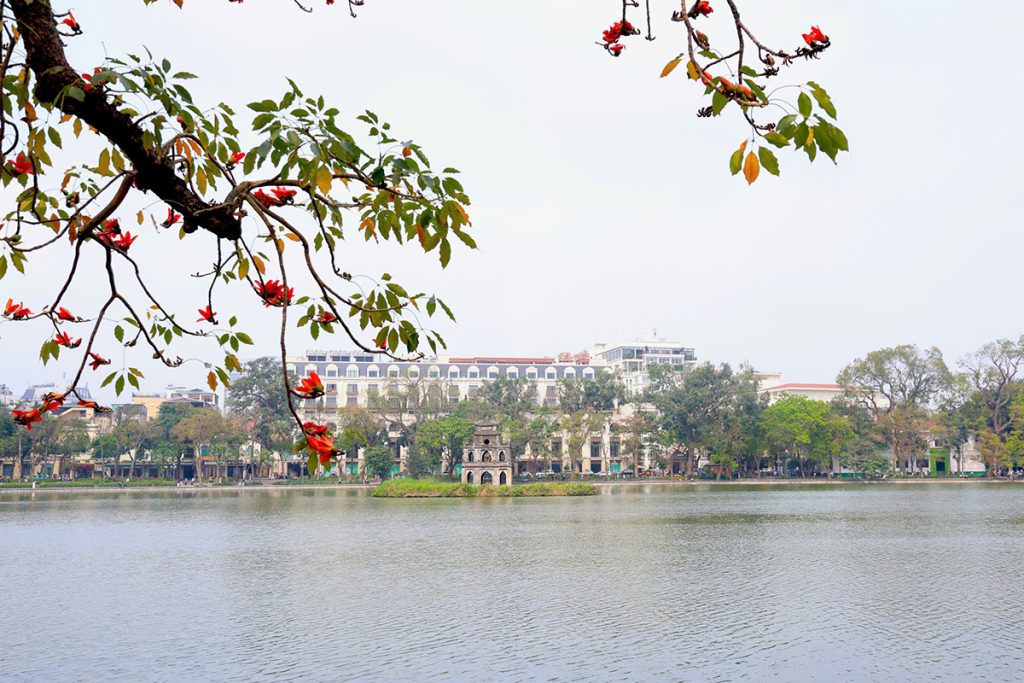
The journey begins at Hanoi Station in the heart of the Hoan Kiem District. It is well worth spending a few days exploring the capital before departure. You can easily lose yourself in the bustling maze of the Old Quarter’s 36 trade streets, take a leisurely stroll around Hoan Kiem Lake, or catch a traditional water puppet show at the Lotus Theatre. Travel experts note that Hanoi’s Old Quarter rewards slow walking, ideally capped off with a dinner of turmeric-marinated grilled catfish on Cha Ca Street. For accommodation, the historic five-star hotel with its French architecture and vintage Citroën cars, offers a step back in time, whilst the opera-themed hotel provides a more theatrical boutique experience.
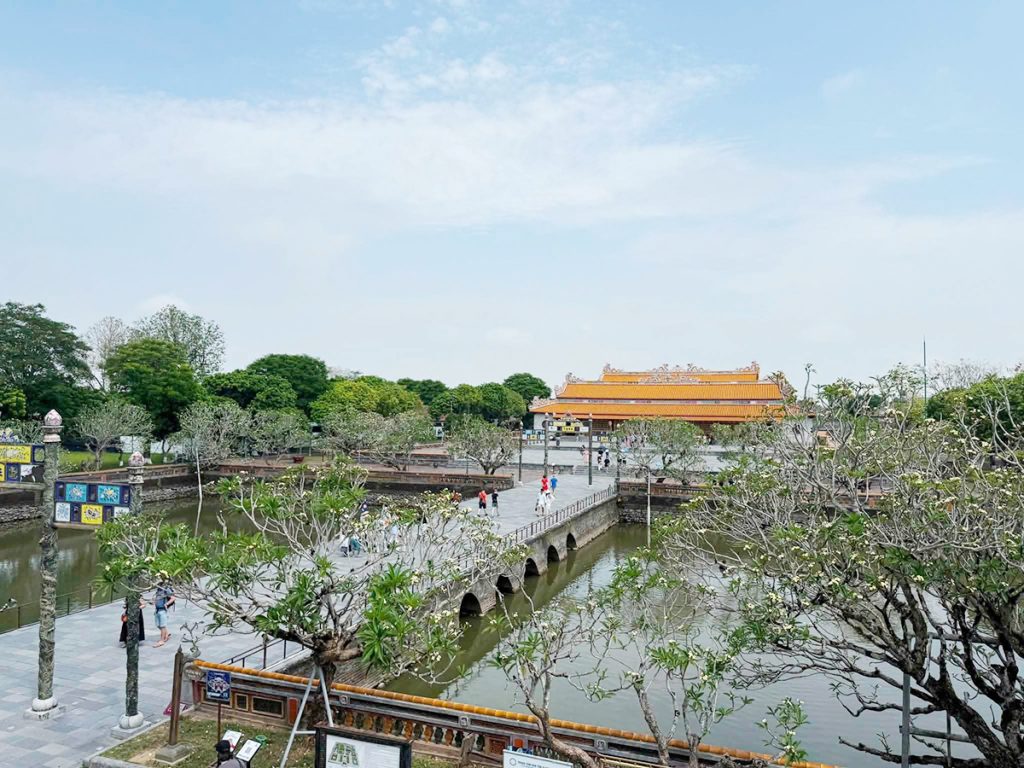
After an overnight stretch from Hanoi, the train arrives in the former imperial capital of the Nguyen dynasty, Hue. Regarded by travel designers as an underrated treasure of Asia, the city carries a poignant layer of history. The UNESCO-listed Imperial Citadel sits proudly on the banks of the Perfume River, and the surrounding forested hills hide the grand tombs of ancient emperors. Hiring a wooden sampan at dusk to drift along the Perfume River offers a magical sunset experience. Hue is also the place to sample spicy beef noodle soup, crispy pancakes, and clams with rice at the historic Dong Ba Market.
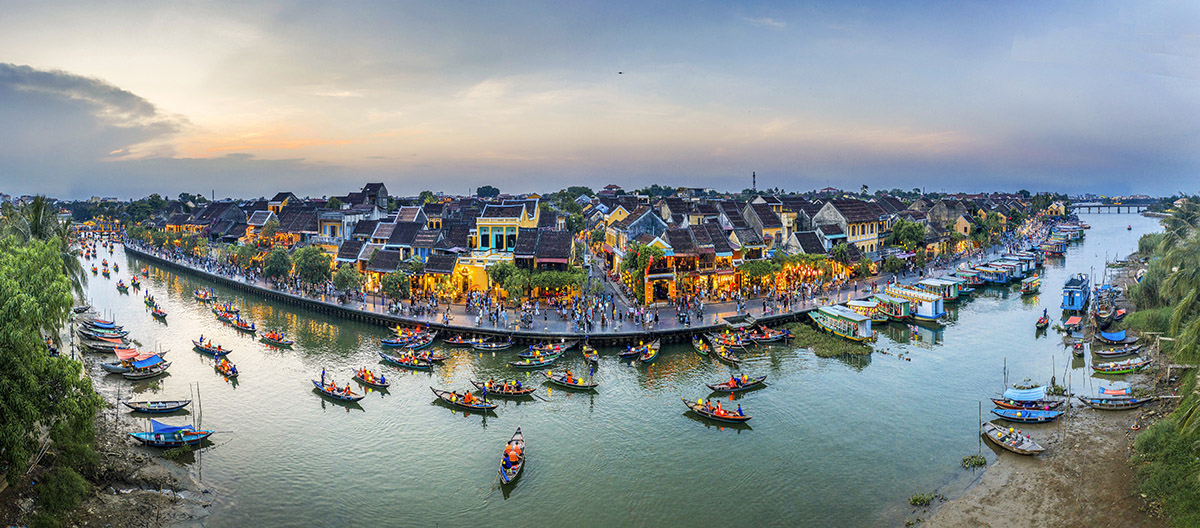
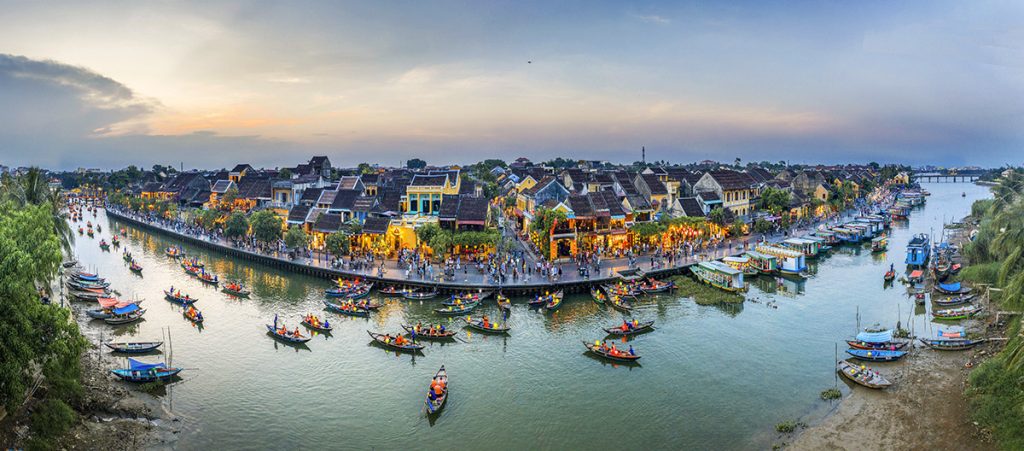
The leg from Hue to Da Nang takes just two and a half hours, yet it is widely considered the most spectacular section of the entire route. The train conquers the legendary Hai Van Pass, hugging the rugged cliff face high above the shimmering East Sea. Da Nang itself is a fast-growing coastal city boasting the long sands of My Khe Beach and the iconic Dragon Bridge. From here, most travellers take a taxi or a Grab ride 19 miles south to Hoi An, a UNESCO-listed ancient port town. Hoi An is best experienced at dusk, when the atmospheric lanterns are lit and the ancient streets empty of daytime tourists.
Central Vietnam Tour 5 Days: Da Nang – Hoi An – Hue
Continuing south, a seven-to-eight-hour journey leads to Nha Trang, Vietnam’s premier beach resort capital. Whilst undeniably touristy, this vibrant city knows how to deliver a proper beach holiday along its six-kilometre coastal strip. To escape the crowds, you can hire a private boat to explore the offshore islands, with Mun Island offering excellent spots for snorkelling. Beyond the beaches, the ancient Po Nagar Cham Towers, built between the 7th and 12th centuries, remain active places of worship.

The final eight-to-nine-hour leg concludes at Saigon Station in Ho Chi Minh City. Vietnam’s largest metropolis presents a striking contrast of French colonial landmarks and soaring glass skyscrapers. A visit to the War Remnants Museum offers an authentic insight into Vietnam’s history, highlighting the resilience, courage, and sacrifices of the Vietnamese people during their struggle for independence, which pairs well with a half-day guided tour of the Cu Chi Tunnels. Back in the city centre, the Reunification Palace, Notre-Dame Cathedral, and the Central Post Office are all within easy walking distance of one another.
Cu Chi Tunnels Experience From Ho Chi Minh City

Best time to travel
Because Vietnam spans several distinct climate zones, weather conditions vary considerably along the tracks. The period from November through to April is the most reliable window for the central and southern regions, offering dry days and manageable heat. Conversely, the north can be rather cool and misty from December to February; whilst some travellers find this incredibly atmospheric, others may find it a bit gloomy.
Tourism Information Technology Center