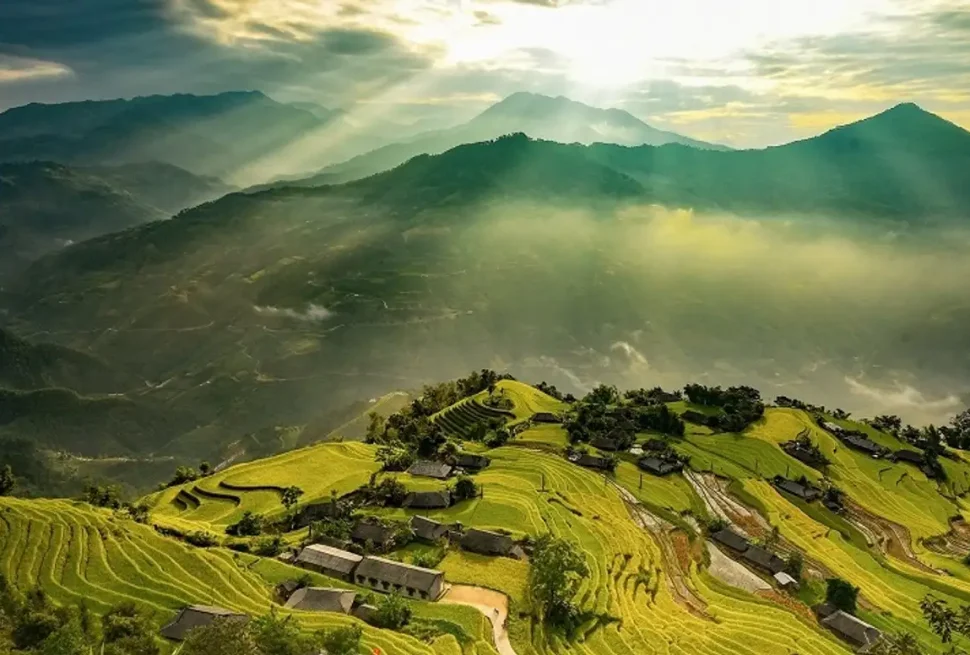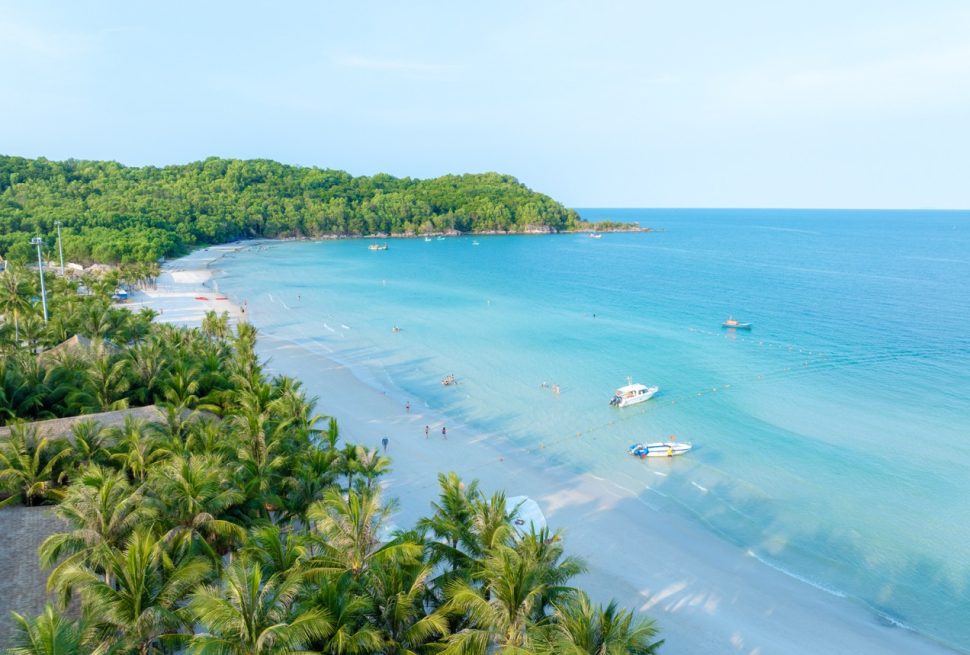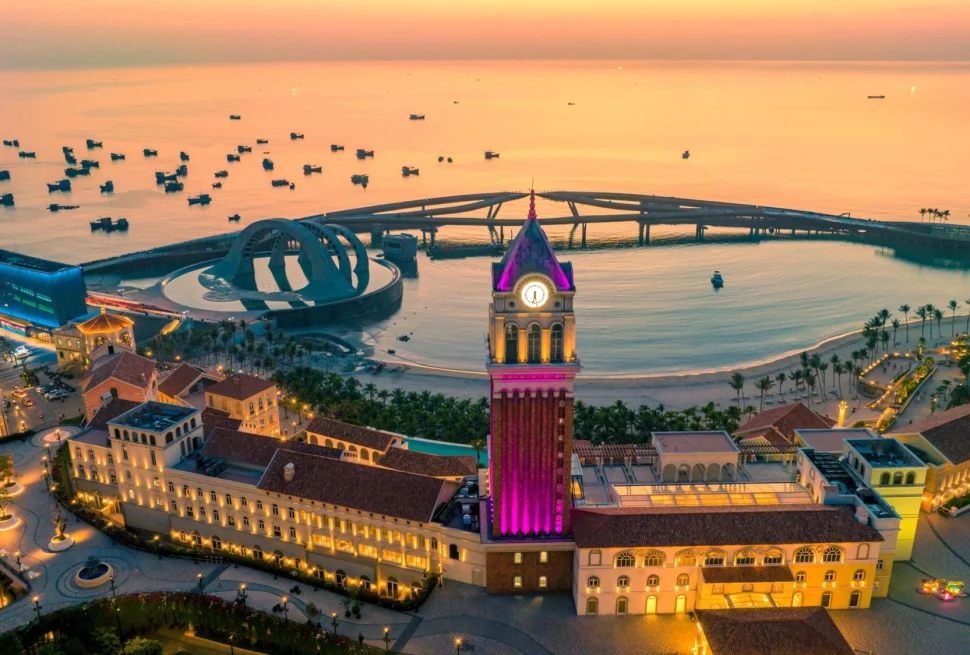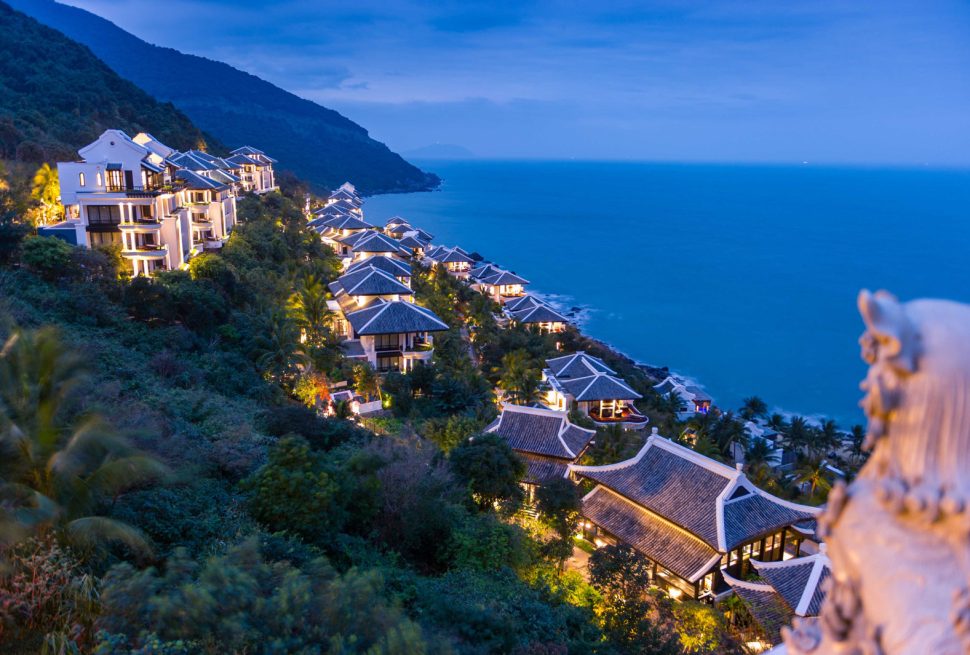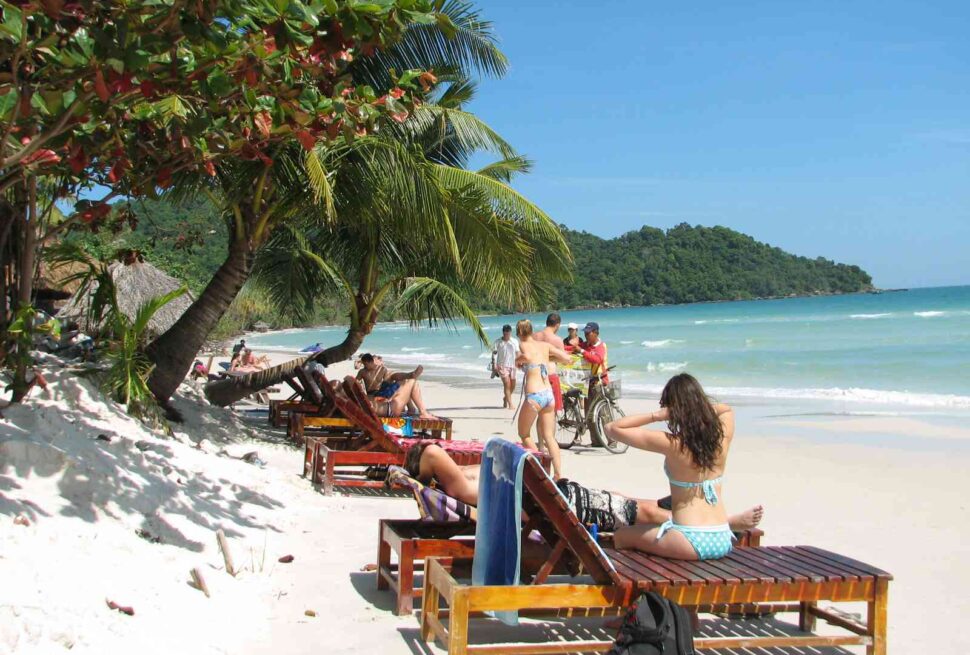
Vietnam is one of Southeast Asia’s most exciting destinations, offering a rich blend of natural beauty, fascinating history, delicious cuisine, and vibrant local culture. For first-time visitors, the country can feel both exhilarating and slightly overwhelming. From bustling city streets filled with motorbikes to tranquil rice terraces and tropical beaches, Vietnam presents a wide variety of experiences within one destination.
This comprehensive guide is designed to help first-time travelers understand the essentials before visiting Vietnam. Whether you are planning a short holiday or a longer journey through the country, these tips will help you prepare for a smooth, safe, and memorable trip.
Why Visit Vietnam?
Vietnam has become increasingly popular among international travelers for several reasons. The country offers exceptional value for money, diverse landscapes, and a welcoming atmosphere that makes it appealing to visitors of all ages and travel styles.
- Natural Beauty: Vietnam is home to dramatic limestone islands, mountain valleys, rice terraces, caves, rivers, and stunning beaches.
- Rich Culture: The country has a long history reflected in ancient temples, colonial architecture, traditional festivals, and regional customs.
- World-Famous Cuisine: Vietnamese food is celebrated globally for its fresh ingredients, balanced flavors, and healthy dishes such as pho, banh mi, and fresh spring rolls.
- Affordable Travel: Accommodation, transportation, food, and activities are generally affordable compared with many other international destinations.
- Diverse Experiences: Visitors can enjoy cultural sightseeing, adventure travel, beach holidays, culinary tours, and luxury resorts all within one country.

Best Time to Visit Vietnam
Vietnam stretches over 1,600 kilometers from north to south, so weather conditions vary by region. Understanding the climate will help you choose the best time for your itinerary.
| Region | Best Time to Visit |
|---|---|
| Northern Vietnam | October to April |
| Central Vietnam | February to August |
| Southern Vietnam | December to April |
For travelers visiting multiple regions, March and April are often considered the most favorable months because the weather is generally pleasant throughout much of the country.
Visa Requirements
Before traveling to Vietnam, check whether your nationality requires a visa. Many travelers can apply online for a Vietnam eVisa, while some countries are eligible for visa-free entry for short stays.
- Ensure your passport is valid for at least six months beyond your planned arrival date.
- Apply for a visa well in advance if required.
- Keep digital and printed copies of your passport, visa approval, and travel insurance.
How Long Should You Stay?
The ideal length of stay depends on your interests and the destinations you wish to visit.
- 5–7 days: Focus on one region, such as northern Vietnam or central Vietnam.
- 10–14 days: This is ideal for first-time visitors, allowing time to experience several key destinations.
- 2–3 weeks: This duration allows for a more comprehensive journey from north to south, including less-visited areas such as Sapa, Ha Giang, or the Mekong Delta.
Top Destinations for First-Time Visitors
Hanoi
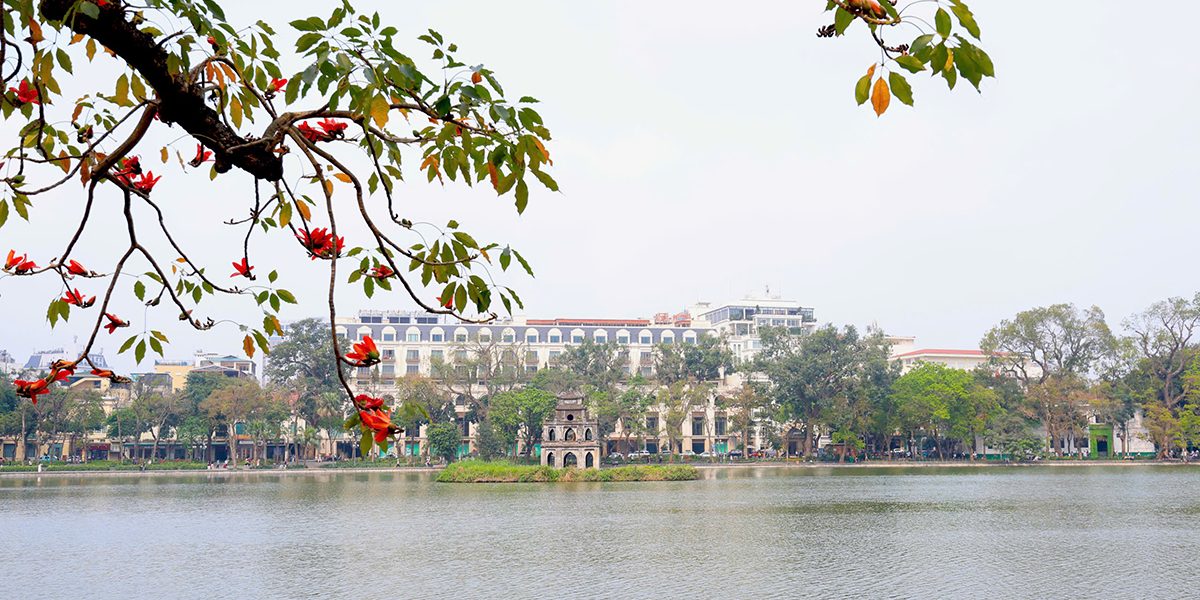
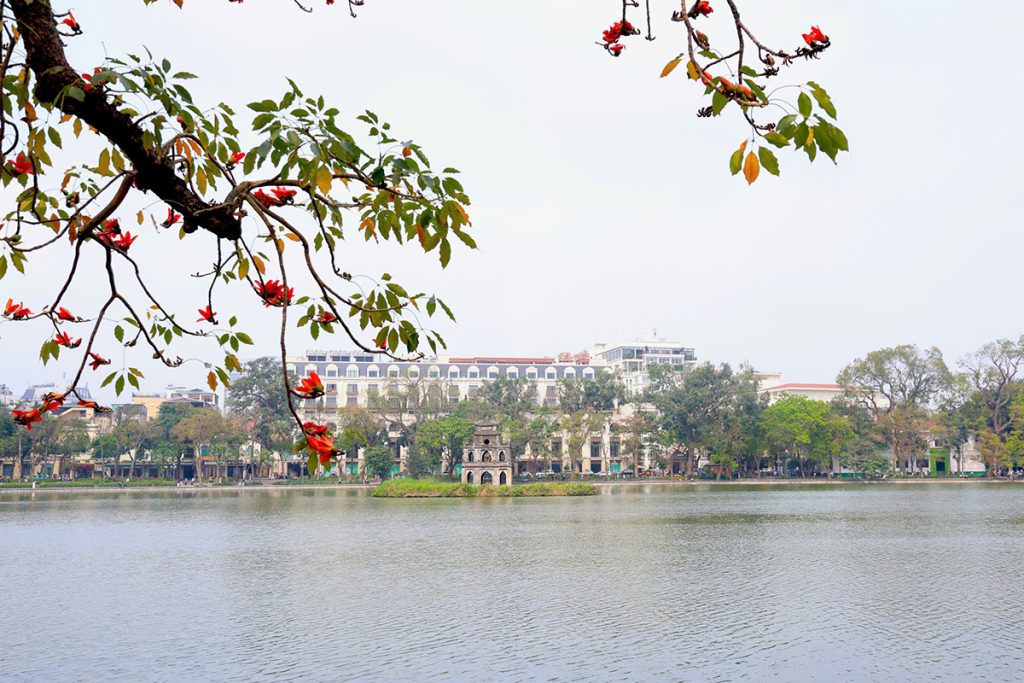
Vietnam’s capital city is a fascinating mix of ancient traditions and modern energy. First-time visitors should explore the Old Quarter, Hoan Kiem Lake, the Temple of Literature, and the city’s famous street food scene.
Ha Long Bay
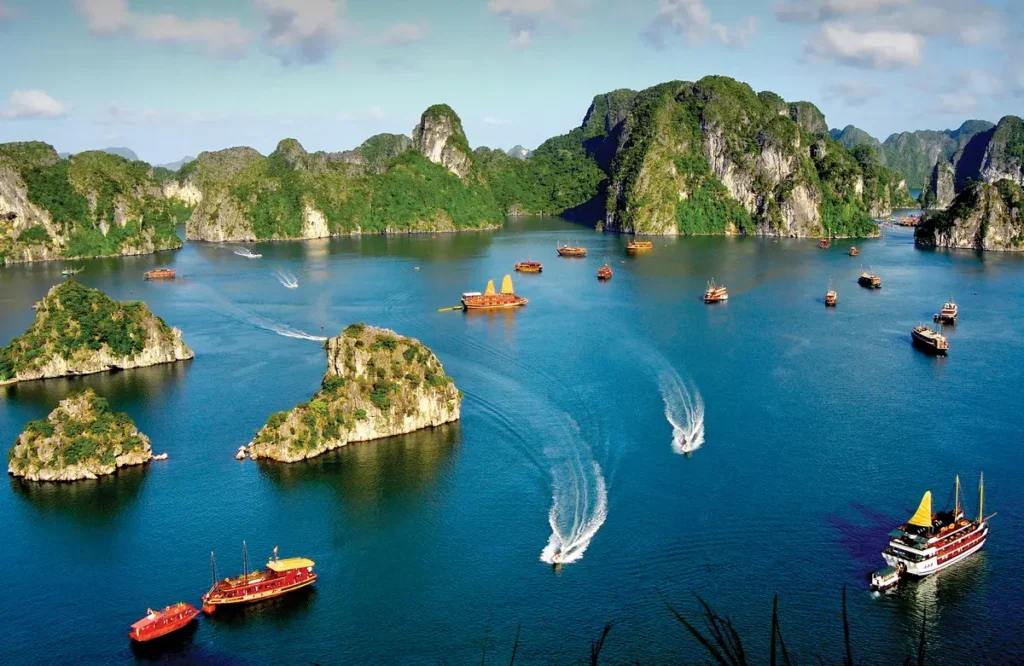
A UNESCO World Heritage Site, Ha Long Bay is known for its emerald waters and thousands of limestone islands. An overnight cruise is one of the most popular experiences for first-time visitors.
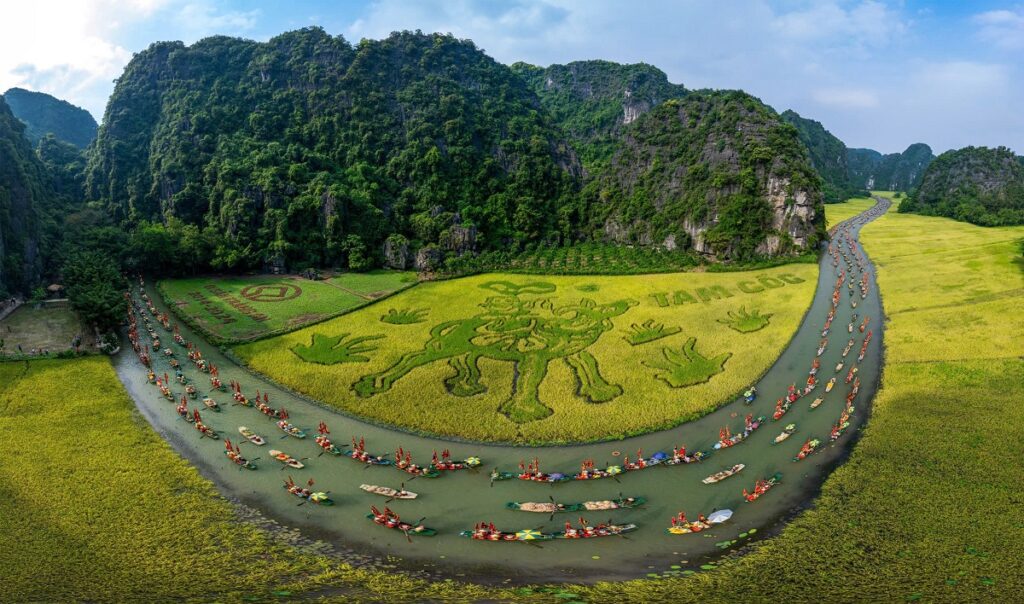
Ninh Binh
Often called “Ha Long Bay on land,” Ninh Binh offers peaceful boat rides through dramatic karst landscapes, ancient temples, and scenic countryside.
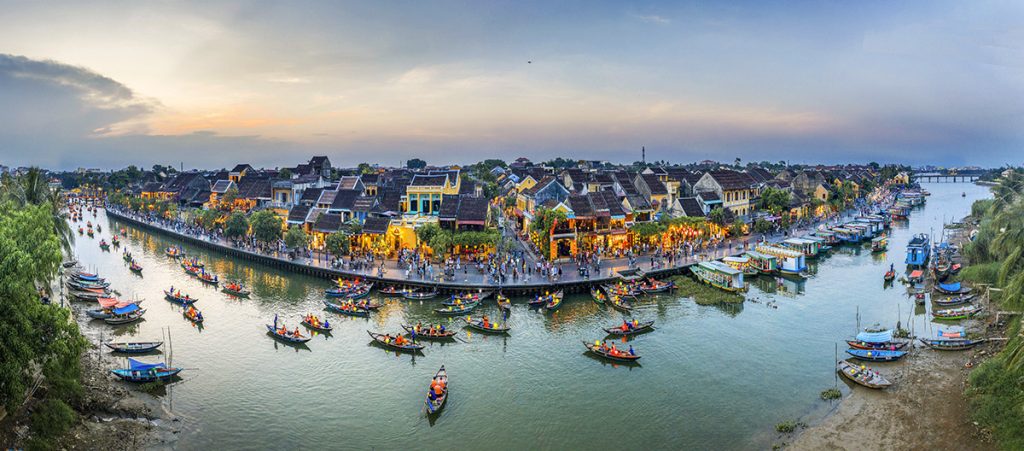
Hoi An
This UNESCO-listed ancient town is famous for its lantern-lit streets, tailor shops, riverside cafés, and nearby beaches. Hoi An is particularly popular with first-time visitors seeking culture and relaxation.
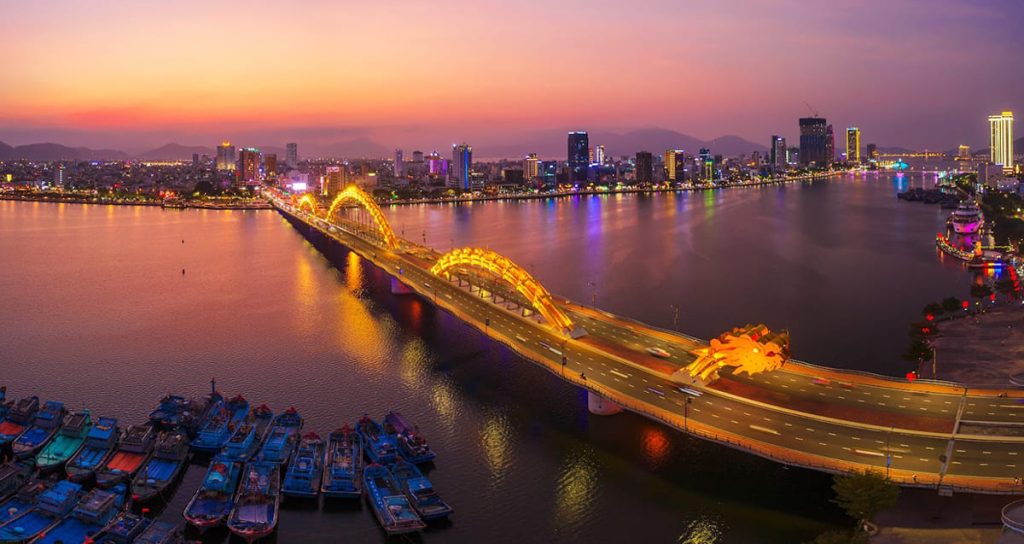
Da Nang
Da Nang combines modern city comforts with beautiful beaches and attractions such as Marble Mountains and the famous Dragon Bridge.
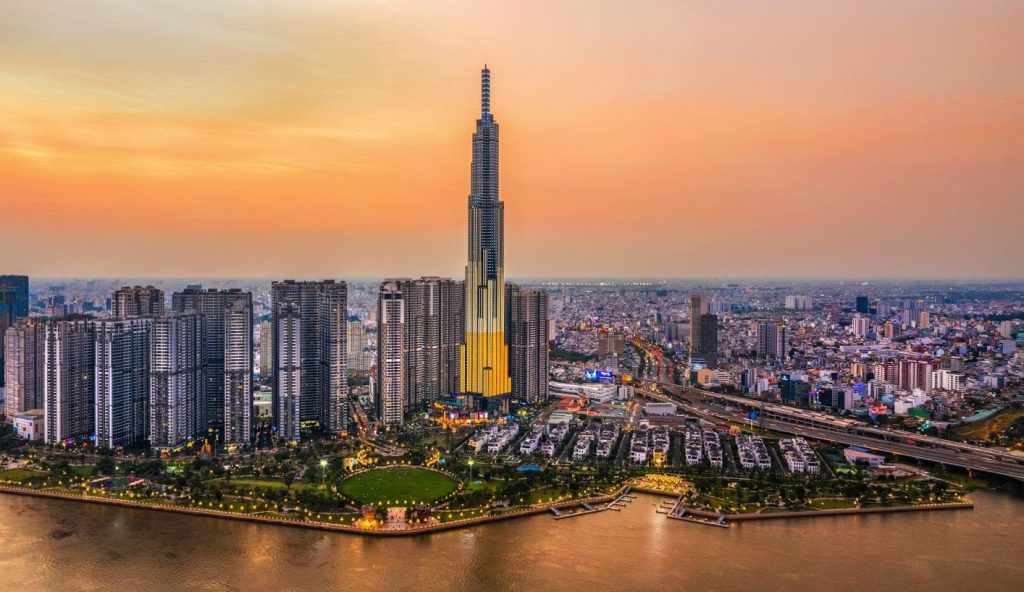
Ho Chi Minh City
Vietnam’s largest city offers a dynamic mix of history, modern nightlife, shopping, museums, and excellent food. It is also a gateway to the Mekong Delta.
Money and Budgeting
The official currency is the Vietnamese Dong (VND). Cash is still widely used, especially at markets, street food stalls, and smaller businesses, although credit cards are accepted in many hotels and larger restaurants.
| Expense | Average Cost |
|---|---|
| Street food meal | US$2-5 |
| Restaurant meal | US$8-20 |
| Coffee | US$1-3 |
| Grab ride | US$2-8 |
| 3-star hotel | US$35-70 per night |
Getting Around Vietnam
Vietnam has a well-developed transportation network, making it relatively easy to travel between major destinations.
- Domestic flights are the fastest option for long distances between cities such as Hanoi, Da Nang, and Ho Chi Minh City.
- Trains offer a scenic way to travel along the coast, especially on routes such as Hanoi to Da Nang.
- Sleeper buses are a budget-friendly option for overnight travel.
- Private transfers are convenient for families, small groups, and travelers seeking comfort and flexibility.
- Grab is the most popular ride-hailing app in major cities and is useful for taxis and motorbike rides.
For first-time visitors who prefer a more organized experience, reputable local operators such as Vietnam Tourist can help arrange transportation, accommodation, and customized itineraries.
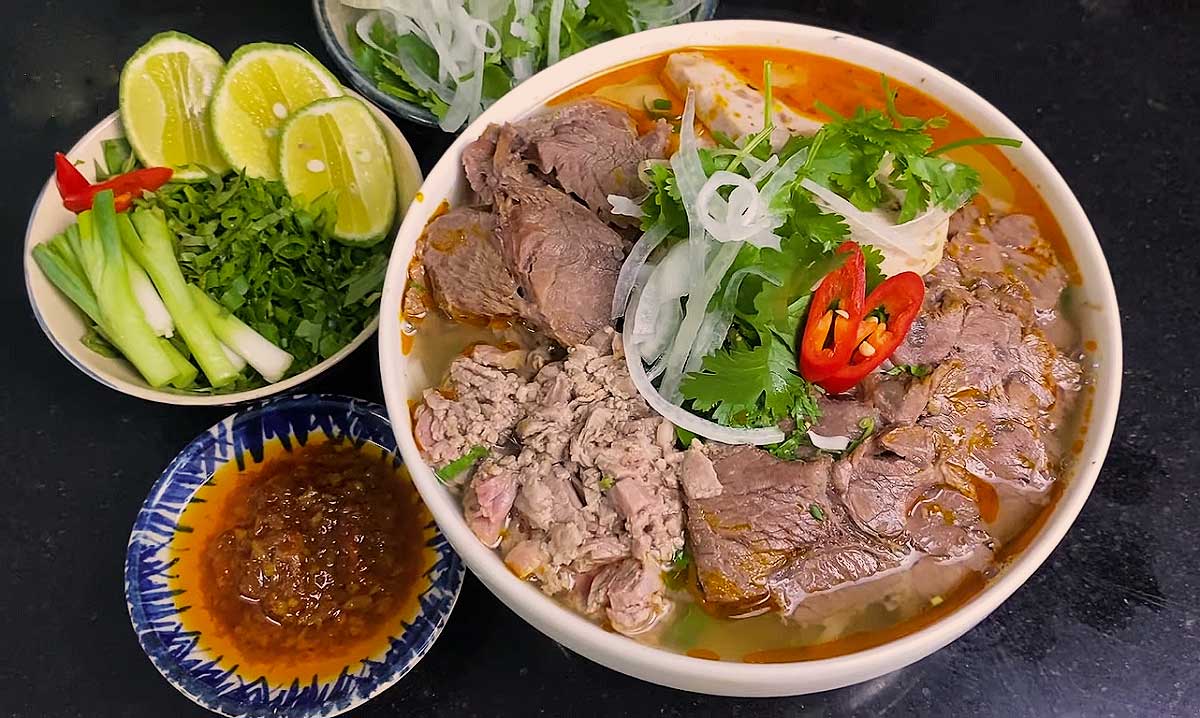
Vietnamese Food You Should Try
Vietnamese cuisine is one of the highlights of any trip. First-time visitors should not miss these iconic dishes:
- Pho: A fragrant noodle soup usually served with beef or chicken.
- Banh Mi: A Vietnamese baguette sandwich filled with meat, vegetables, and herbs.
- Bun Cha: Grilled pork served with rice noodles and dipping sauce, especially popular in Hanoi.
- Fresh Spring Rolls: Light rice-paper rolls filled with herbs, vegetables, and shrimp or pork.
- Egg Coffee: A unique Hanoi specialty made with whipped egg yolk and coffee.
Street food is an essential part of the Vietnamese travel experience. Choose busy stalls where food is freshly prepared and locals are eating.
Cultural Etiquette
Understanding local customs will help you have more respectful and enjoyable interactions during your trip.
- Dress modestly when visiting temples and pagodas.
- Remove your shoes when entering certain homes or religious sites.
- Use both hands when giving or receiving items when possible.
- Avoid pointing your feet at people or sacred objects.
- Ask permission before photographing local people, especially in rural areas.
Safety Tips for First-Time Visitors
Vietnam is generally a safe destination for tourists, but it is important to take normal travel precautions.
- Keep valuables secure in crowded areas.
- Use reputable taxis or ride-hailing apps.
- Drink bottled or filtered water.
- Be cautious when crossing busy streets; walk slowly and predictably.
- Purchase comprehensive travel insurance before your trip.
What to Pack
Packing for Vietnam depends on the season and regions you plan to visit. In general, bring lightweight clothing suitable for warm weather, comfortable walking shoes, sunscreen, insect repellent, and a reusable water bottle. If visiting northern Vietnam during winter or trekking in mountain areas, pack a light jacket and warmer layers.
A Suggested 10-Day Itinerary
- Days 1–3: Hanoi – explore the Old Quarter, historical sites, and street food.
- Days 4–5: Ha Long Bay – enjoy an overnight cruise.
- Day 6: Ninh Binh – take a boat ride through Trang An or Tam Coc.
- Days 7–8: Hoi An – experience the Ancient Town and nearby beaches.
- Days 9–10: Ho Chi Minh City – visit museums, markets, and consider a day trip to the Mekong Delta.
Frequently Asked Questions
Is Vietnam expensive for first-time visitors?
No. Vietnam is considered one of the best-value destinations in Asia, offering affordable food, accommodation, transportation, and activities.
Can I travel around Vietnam independently?
Yes. Vietnam has a well-developed tourism infrastructure, making independent travel relatively easy. However, guided tours can be helpful for remote areas or travelers with limited time.
Is English widely spoken?
English is commonly spoken in tourist areas, hotels, airports, and by younger people, although proficiency may vary in rural regions.
What is the best way to get internet access?
Purchasing a local SIM card or eSIM at the airport or in the city is the most convenient and affordable way to access mobile internet during your trip.
Final Thoughts
Vietnam is a destination that rewards first-time visitors with unforgettable landscapes, rich cultural experiences, delicious food, and warm hospitality. While the country may feel unfamiliar at first, a little preparation will help you navigate it confidently and make the most of your journey.
Whether you choose to travel independently or arrange part of your itinerary through an experienced local company such as Vietnam Tourist, Vietnam offers a diverse range of experiences that can suit every travel style. With careful planning, your first visit to Vietnam is likely to become a memorable adventure and perhaps the beginning of many return trips.
Vietnam Tourist – Your Journey, Our Passion