One of the most common questions travelers ask before planning a trip is: When is the best time to visit Vietnam?
The answer depends on where you plan to go. Unlike many countries with a single climate, Vietnam stretches over 1,600 kilometers (1,000 miles) from north to south, creating distinct weather patterns across its regions. While one destination may be enjoying cool, sunny days, another could be experiencing tropical rain.
The good news is that there is no bad time to visit Vietnam. Every season offers unique experiences, from trekking through the rice terraces of Sapa to relaxing on the beaches of Phu Quoc or exploring the lantern-lit streets of Hoi An.
This guide will help you choose the best time to visit based on weather, activities, festivals, and your travel style.
Understanding Vietnam’s Climate
Vietnam is divided into three main climate regions: the north, the central coast, and the south. Each follows a different weather pattern, making it important to plan your itinerary carefully.
Northern Vietnam experiences four seasons, including a cool winter and a warm summer.
Central Vietnam generally enjoys long sunny periods but can be affected by typhoons in autumn.
Southern Vietnam has a tropical climate with only two seasons: dry and rainy.
Because of these differences, many travelers combine several destinations during one trip to experience the country’s diversity.
Vietnam Weather by Season
Spring (March to April)
Spring is widely considered one of the best times to visit Vietnam.
Temperatures are pleasant across much of the country, humidity is relatively low, and rainfall is limited.
This is an excellent season for sightseeing in Hanoi, cruising through Ha Long Bay, exploring Ninh Binh, cycling around Hoi An, or enjoying the beaches near Da Nang.
Average temperatures range from 20°C to 30°C (68°F to 86°F), depending on the region.
Spring is especially popular among first-time visitors because nearly every destination offers favorable conditions.
Summer (May to August)
Summer brings warm temperatures throughout Vietnam.
Northern cities such as Hanoi can become hot and humid, while mountain destinations like Sapa remain noticeably cooler and are ideal for trekking.
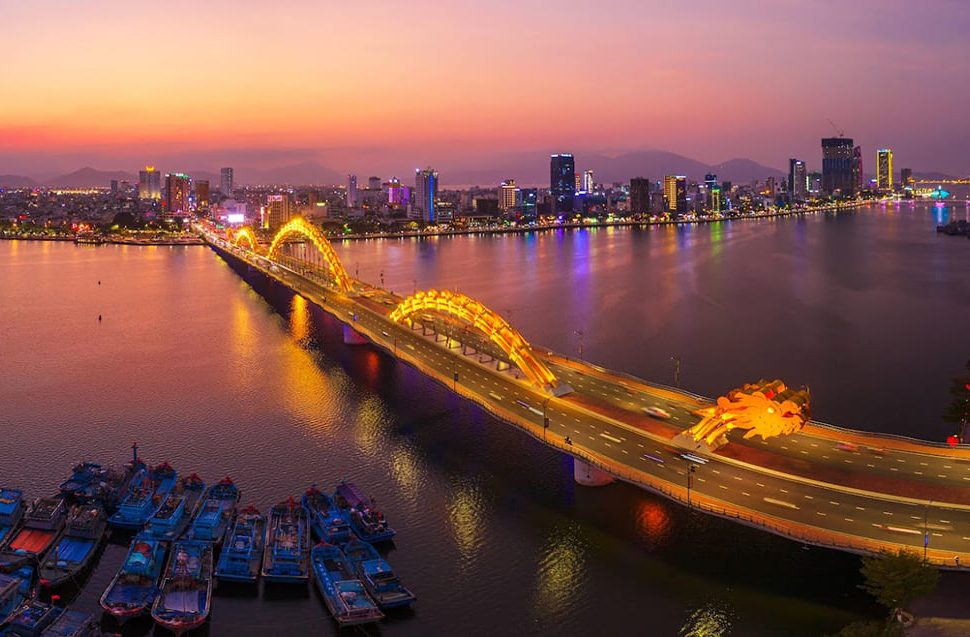
The central coast, including Da Nang, Hoi An, and Quy Nhon, enjoys some of the year’s best beach weather with long sunny days and calm seas.
Southern Vietnam enters its rainy season, but showers are usually short, often occurring in the late afternoon before clear skies return.
Traveling during summer can also offer attractive hotel promotions outside peak international holiday periods.
Autumn (September to November)
Autumn is another excellent season for visiting Vietnam.
Northern Vietnam experiences cooler temperatures and clearer skies, creating ideal conditions for photography, hiking, and outdoor exploration.
The golden rice terraces around Sapa and Mu Cang Chai reach their most beautiful stage in September, attracting photographers from around the world.
Central Vietnam may experience heavier rainfall and occasional tropical storms during October and November, so travelers planning to visit this region should monitor weather forecasts before departure.
Meanwhile, southern destinations remain warm throughout the season.
Winter (December to February)
Winter offers the most comfortable weather in southern Vietnam.
Ho Chi Minh City, the Mekong Delta, and Phu Quoc enjoy dry, sunny days with temperatures typically between 25°C and 32°C (77°F to 90°F).
Northern Vietnam becomes much cooler. Hanoi often feels refreshing for sightseeing, while mountain areas such as Sapa can experience temperatures close to freezing on some mornings.
This is also one of the busiest travel seasons, particularly around Christmas, New Year, and Lunar New Year, so booking flights and accommodation early is highly recommended.
Best Time to Visit Popular Destinations
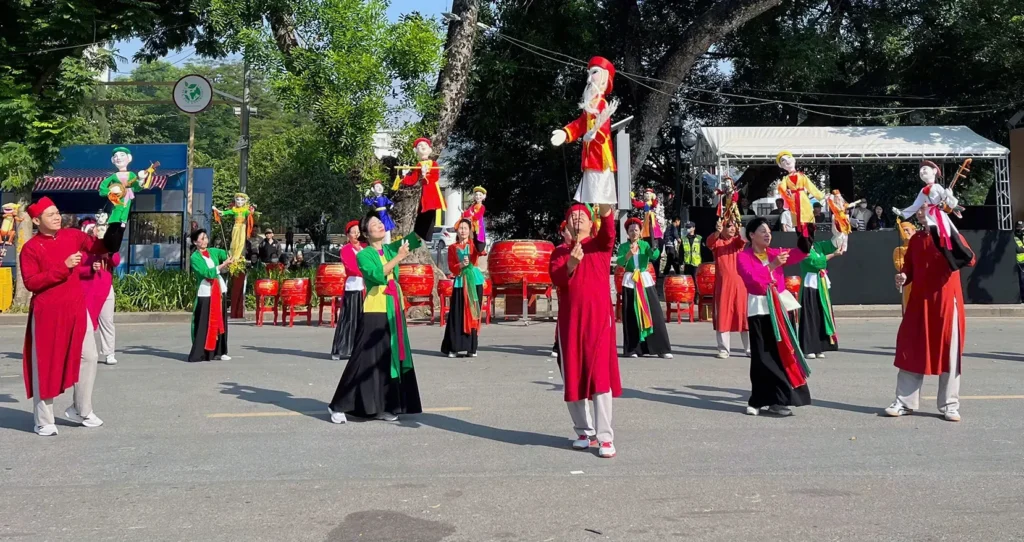
Hanoi
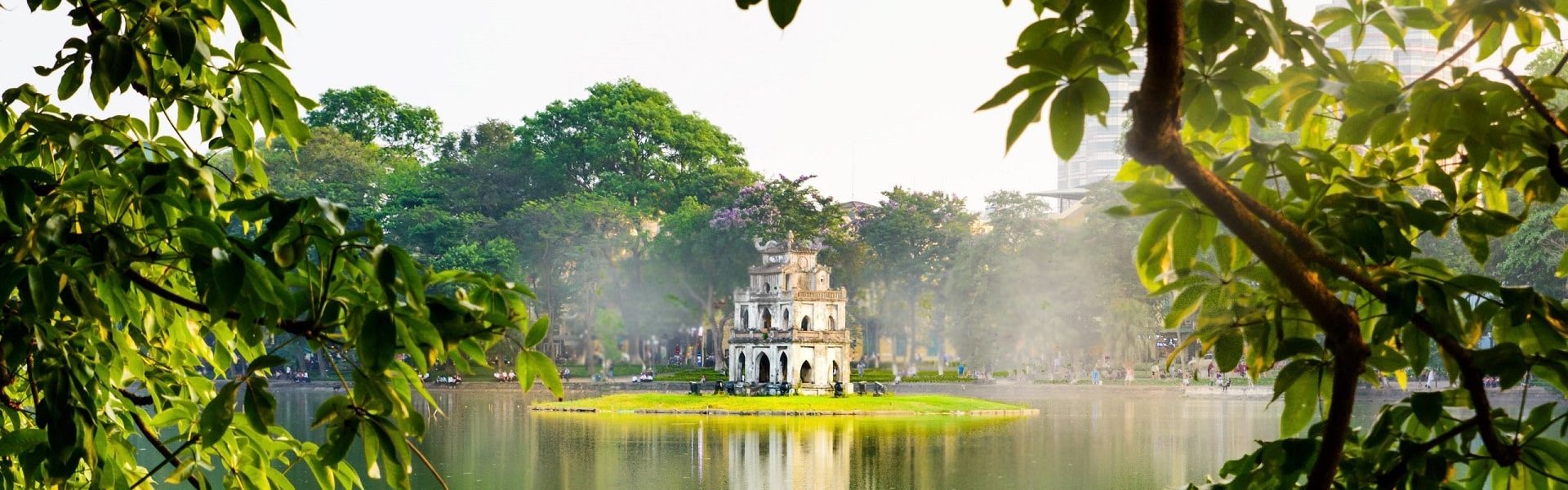
The best months to visit Hanoi are from October to April, when temperatures are cooler and walking around the Old Quarter is far more comfortable.
Ha Long Bay
March, April, October, and November generally provide calm waters, comfortable temperatures, and good visibility for cruises and kayaking.

Sapa
September and October are famous for golden rice terraces, while March and April offer pleasant trekking conditions with blooming flowers.

Ninh Binh
Spring and autumn provide the most enjoyable weather for boat trips through Trang An and Tam Coc.

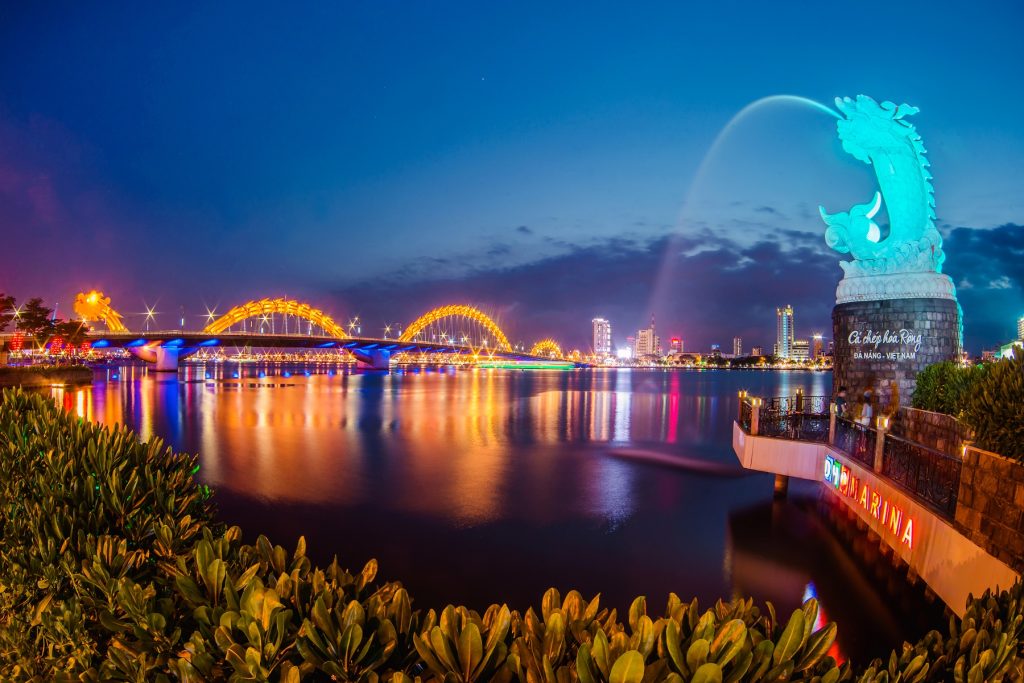
Da Nang
February to August offers warm sunshine, blue skies, and ideal beach conditions.
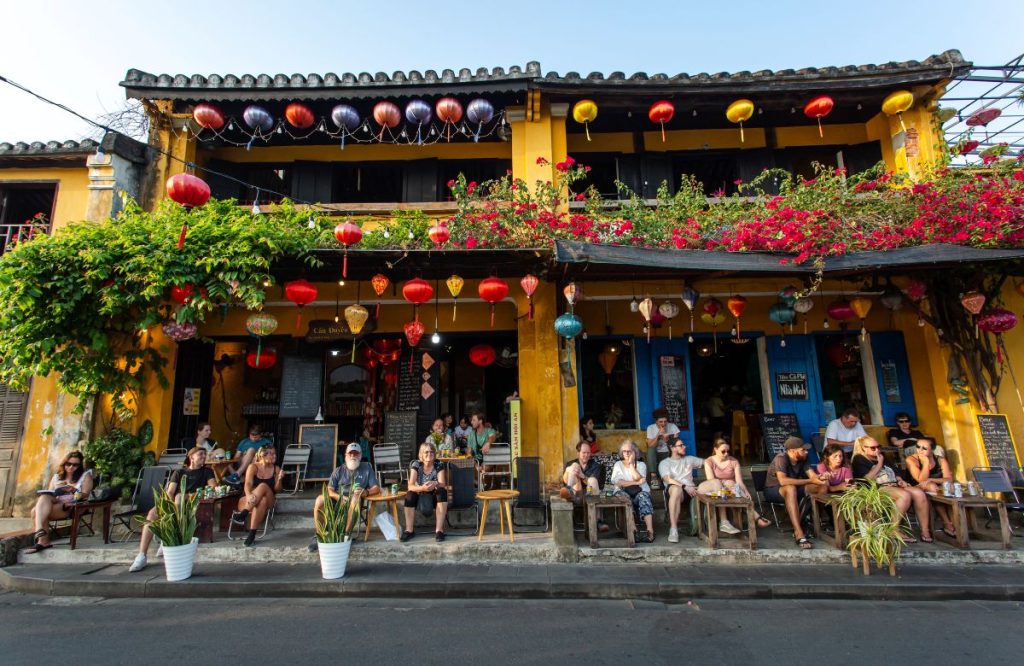
Hoi An
February through July is considered the best period for exploring the Ancient Town, cycling through the countryside, and relaxing on nearby beaches.
Ho Chi Minh City
December to April is the dry season, making it the most comfortable period for sightseeing.

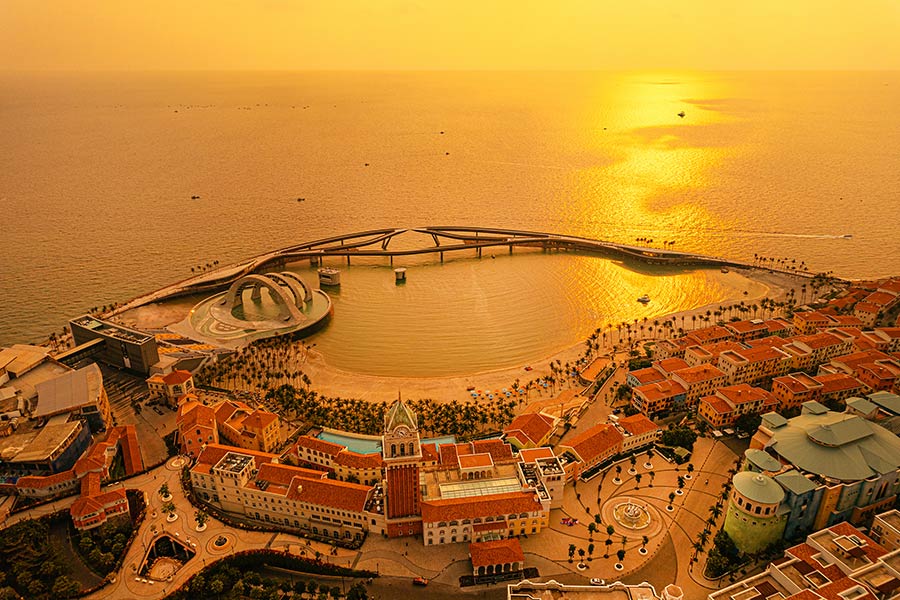
Phu Quoc
The island is at its best between November and April, when the sea is calm and rainfall is minimal.
Vietnam’s Major Festivals
Traveling during local festivals offers a deeper understanding of Vietnamese culture.
Lunar New Year (Tet), usually held between late January and mid-February, is Vietnam’s most important celebration. Families reunite, cities are decorated with flowers, and many businesses temporarily close for the holiday.
The Hue Festival showcases traditional music, royal performances, and cultural exhibitions.
Hoi An’s Lantern Festival transforms the Ancient Town into a magical display of colorful lanterns along the river.
If you plan to travel during these periods, expect larger crowds and book accommodation well in advance.
When Is the Cheapest Time to Visit Vietnam?
Budget-conscious travelers often find the best prices between May and September.
Although some regions experience occasional rain, flights and hotels are generally more affordable than during the peak winter season.
Many luxury resorts also offer attractive promotions during these months, making it possible to enjoy high-end accommodation at significantly reduced rates.
Travel Tips for Every Season
Pack lightweight clothing for most destinations, but bring a light jacket if you plan to visit northern Vietnam during winter.
A compact umbrella or lightweight rain jacket is useful during the rainy season, especially in southern Vietnam.
Comfortable walking shoes are essential, as many of Vietnam’s attractions are best explored on foot.
If your itinerary includes multiple regions, pack clothing suitable for different temperatures, as weather conditions can vary considerably across the country.
For travelers visiting Vietnam for the first time, planning routes between different climate zones can sometimes be challenging. Many visitors choose experienced local travel companies such as Vietnam Tourist to create customized itineraries that maximize good weather while minimizing unnecessary travel time.
Frequently Asked Questions
Is Vietnam worth visiting all year round?
Yes. Thanks to its varied geography, there is always at least one region enjoying excellent weather, regardless of the month.
Which month has the best weather in Vietnam?
March and April are generally considered the best months because pleasant conditions extend across much of the country.
What is the rainy season in Vietnam?
The rainy season varies by region. Southern Vietnam typically experiences rain from May to October, while central Vietnam often sees heavier rainfall from September to November.
Is summer a good time to visit Vietnam?
Absolutely. Although temperatures are higher, central Vietnam enjoys outstanding beach weather, and summer often brings better travel deals.
Should I book tours in advance?
During peak travel periods such as Christmas, New Year, and Tet Holiday, booking accommodations, cruises, and popular tours several weeks in advance is recommended. Reputable local operators like Vietnam Tourist can also help arrange transportation, accommodation, and guided experiences in one itinerary, making trip planning more convenient.
Final Thoughts
Choosing the best time to visit Vietnam ultimately depends on the experiences you’re looking for. Spring and autumn offer comfortable weather across much of the country, summer is perfect for beach holidays along the central coast, and winter provides sunny escapes in the south while showcasing a cooler, more tranquil side of the north.
Rather than focusing on finding a single “perfect” month, consider matching your itinerary to the regions with the most favorable conditions during your travel dates. With thoughtful planning, Vietnam is a destination that rewards visitors in every season.