US business magazine Fortune has recently described Vietnam as the most exciting emerging tourism hotspot in Southeast Asia, citing its impressive growth in international arrivals, increasing appeal among key source markets, and commitment to developing a higher-quality, more sustainable tourism industry.

Hoi An Ancient Town (Da Nang), one of the most favourite places of international tourists (Photo: Vo Van Tien)
Vietnam strengthens its position on the regional tourism map
Vietnam welcomed more than 21 million international visitors in 2025, representing a 20 per cent increase compared with the previous year. Notably, the country surpassed Thailand to become the most popular destination for Chinese travellers, attracting nearly 5.3 million visitors from China. These figures highlight the growing attractiveness of Vietnam’s tourism sector amid intensifying competition among destinations across the region.
According to Fortune, while established tourism hubs such as Hanoi and Ho Chi Minh City continue to draw large numbers of visitors, emerging destinations are also experiencing remarkable growth. Data from travel digital platform Klook showed that visitor numbers to Phu Quoc and Sa Pa more than doubled in 2025 compared with the previous year.
CS Soong, Vice-President for Corporate Development at Klook, noted that travellers are increasingly seeking destinations that offer authentic cultural experiences and close connections with nature, rather than focusing solely on major urban centres. This trend plays to Vietnam’s strengths, given its diverse range of attractions spanning mountains, plains, coastlines and islands.
Discovery Vietnam Itinerary from North to South
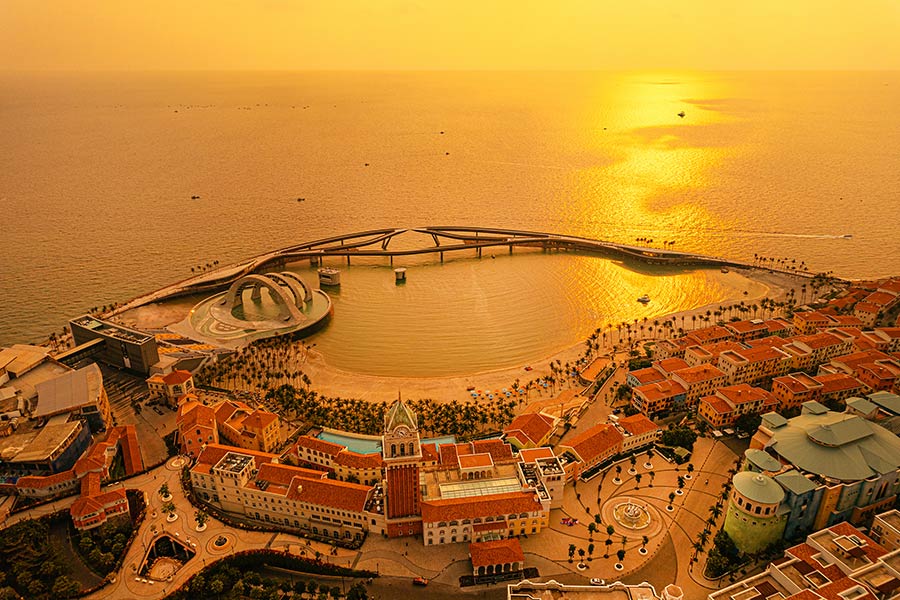
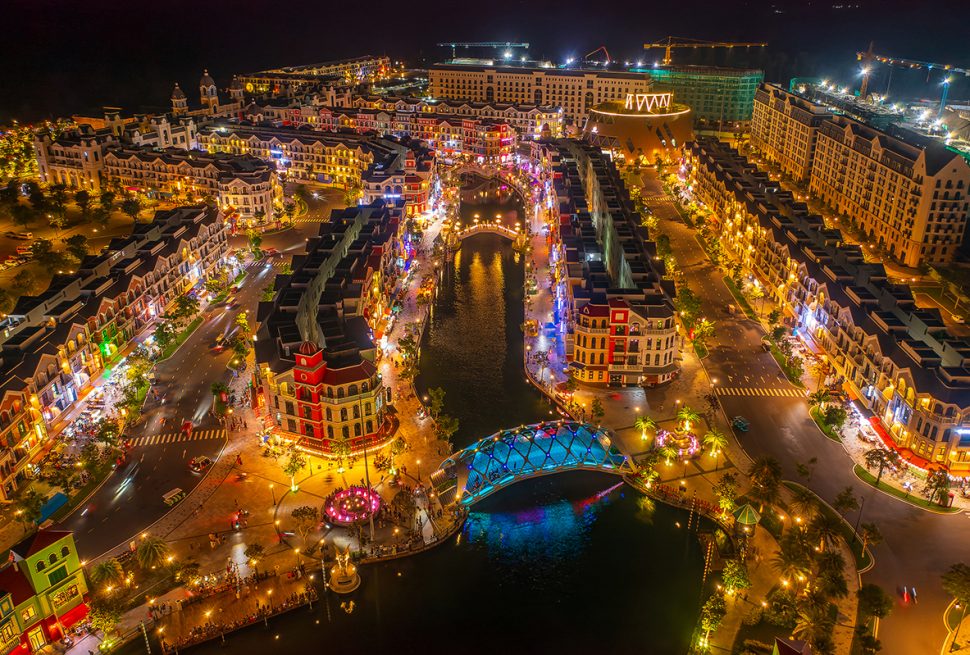
Sunset Town, Phu Quoc, An Giang Province (Photo: Phung Ba Uoc)
From visitor growth to higher tourism value
Fortune observed that while Vietnam’s economic potential is often associated with manufacturing and exports of electronics and garments, the tourism industry – now contributing nearly 10 per cent of GDP – demonstrates the country’s growing competitiveness in the services sector. Industry experts believe Vietnam is increasingly competing with Thailand and Malaysia to become the region’s leading tourism destination.
Southeast Asia has traditionally been viewed as a destination for mass-market, budget-conscious travellers. However, international experts suggest that Vietnam is shifting towards a higher-value tourism model, targeting visitors with greater spending power and longer stays. This strategy includes expanding MICE tourism, luxury resort experiences and medical tourism offerings.
One of the key drivers behind Vietnam’s tourism boom, according to Fortune, is improved accessibility resulting from more open visa policies. The country has been simplifying entry procedures by granting visa exemptions to visitors from selected countries and allowing longer periods of stay. In 2025, Vietnam introduced a visa waiver programme for citizens of 12 European countries, permitting stays of up to 45 days as part of a tourism stimulus initiative. Easier entry requirements have made travel decisions more convenient and increased Vietnam’s appeal for extended holidays and multi-destination itineraries.
Vietnamese airlines are also strengthening their international presence through the launch of new routes. Vietjet has expanded services connecting Vietnam with China, Japan and Singapore, with potential plans to extend operations into Europe in the near future.
Klook data further indicates that Vietnam’s international visitor market is becoming increasingly diversified. Alongside traditional markets such as South Korea and Singapore, arrivals from the Philippines and India are growing rapidly. Long-haul markets including the United States, Australia and New Zealand have also recorded notable increases. China and South Korea remain Vietnam’s two largest source markets, significantly ahead of Russia, which ranks third.
Modern infrastructure reshaping Vietnam’s tourism landscape
Alongside efforts to enhance tourism products and services, Vietnam is investing heavily in infrastructure development.
One of the most significant projects is the expansion of infrastructure in Phu Quoc ahead of the APEC Leaders’ Week in 2027. Major domestic and international investors are participating in large-scale airport, resort and hotel developments in key destinations such as Ho Chi Minh City, Phu Quoc, Da Nang and Quang Ninh.
Alexandra Murray, Vice-President and Regional Head for Southeast Asia at Hilton, described the pace of tourism infrastructure development in Vietnam as extraordinary, stating that she had “never witnessed anything comparable in any other country, including those in the Middle East”. She emphasised that these investments are being implemented strategically, strengthening Vietnam’s competitiveness and reinforcing its position as a leading destination in Southeast Asia. The growing presence of international hotel brands also reflects strong investor confidence in the long-term prospects of Vietnam’s tourism market.

Ha Long Bay (Photo: Huy Le)
North Vietnam Tour Package: Hanoi – Halong Bay Cruise
Pursuing sustainable tourism growth
Despite the sector’s positive momentum, international experts stress that Vietnam must maintain its growth trajectory while ensuring long-term sustainability. The ultimate objective should not simply be to increase visitor numbers, but also to encourage longer stays, higher spending and stronger visitor loyalty.
Thailand’s recent tourism challenges offer a valuable lesson. Following the COVID-19 pandemic, the country’s tourism industry experienced significant disruption, while concerns over security and political instability contributed to a decline in international arrivals, particularly from China. Thailand has also begun scaling back its visa exemption programme by reducing the maximum stay period from 60 days to 30 days in an effort to attract higher-value visitors rather than long-stay travellers.
Professor Vu Minh Khuong of the Lee Kuan Yew School of Public Policy in Singapore believes Vietnam is proactively learning from destinations that have experienced the negative consequences of overtourism and uncontrolled development, including Bali (Indonesia) and parts of Thailand. At the same time, the country is studying international best practices to pursue a more sustainable growth model.
Protecting natural resources, enhancing visitor experiences and developing integrated infrastructure are regarded as essential pillars for the industry’s long-term success. Experts also note that Vietnam should continue balancing infrastructure expansion, visitor growth and service quality improvements.
With strong growth momentum and a strategic focus on quality and sustainability, Vietnam is making steady progress in enhancing destination standards, diversifying source markets and modernising tourism infrastructure. The country is increasingly positioning itself as one of Southeast Asia’s most dynamic and promising tourism hubs.
Tourism Information Technology Center