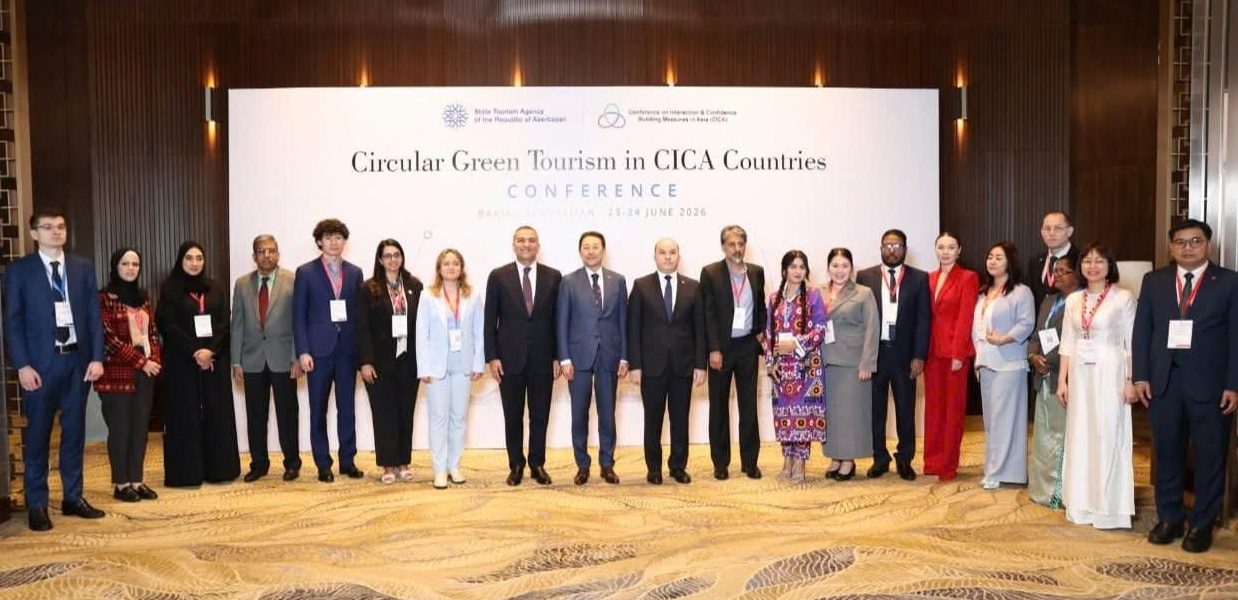
(TITC) – On June 23, in the Republic of Azerbaijan, Vice Chairwoman of the Viet Nam National Authority of Tourism (VNAT) Nguyen Thi Hoa Mai led the Vietnamese delegation to participate in and share practical experiences at the conference “Circular Green Tourism in CICA Member Countries”.
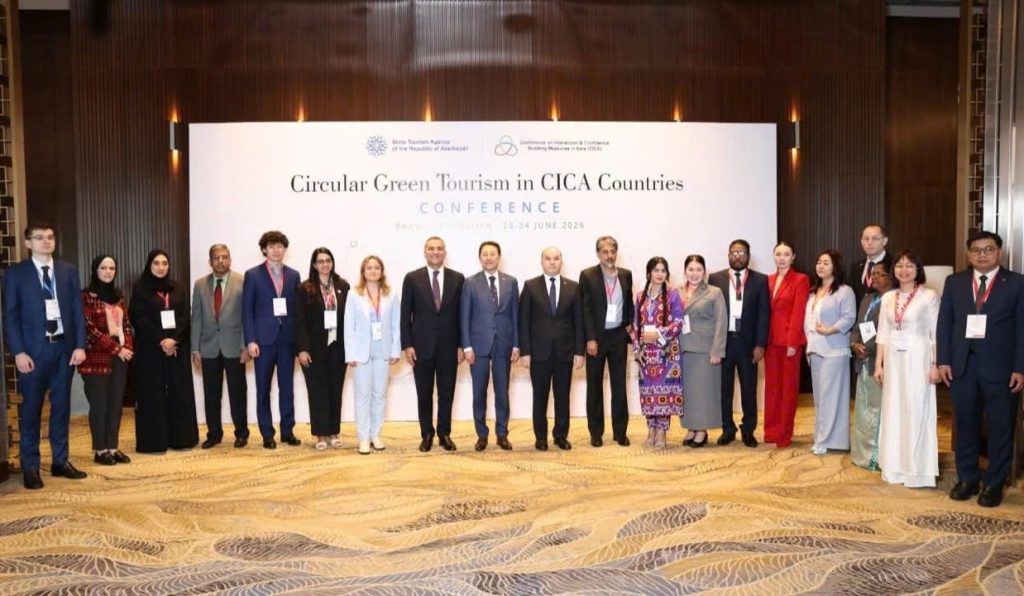
The event was organized by the State Tourism Agency of the Republic of Azerbaijan under country’s Chairmanship in Conference on Interaction and Confidence Building Measures in Asia (CICA).
The conference brought together over 120 participants, including high-level delegations from 18 CICA Member States, tourism authorities, government agencies, academia, hospitality groups, and civil society organizations.
Green and circular tourism: an inevitable global trend
In his opening remarks, Mr. Fuad Naghiyev, Chairman of the State Tourism Agency of Azerbaijan, emphasized that sustainable and green tourism represents a fundamental direction for ensuring the long-term future of the industry amid global challenges and climate change.
Tourism is currently a top priority in Azerbaijan’s economic development strategy and enjoys strong support from President Ilham Aliyev and First Vice-President Mehriban Aliyeva. Mr. Naghiyev stressed that “the success of tourism should not be measured solely by visitor numbers, but also by the value it creates for local communities and its positive impact on nature.”
The Chairman further noted that Azerbaijan’s hosting of COP29 in 2024, along with the introduction of the “Tourism Day” initiative into the conference agenda for the first time, elevated the role of tourism within international climate discussions. In light of shared challenges such as resource depletion and visitor pressure, he called on CICA member states to strengthen cooperation and exchange experiences to achieve more inclusive and sustainable development.
Viet Nam places communities at the center, culture at the core of tourism development
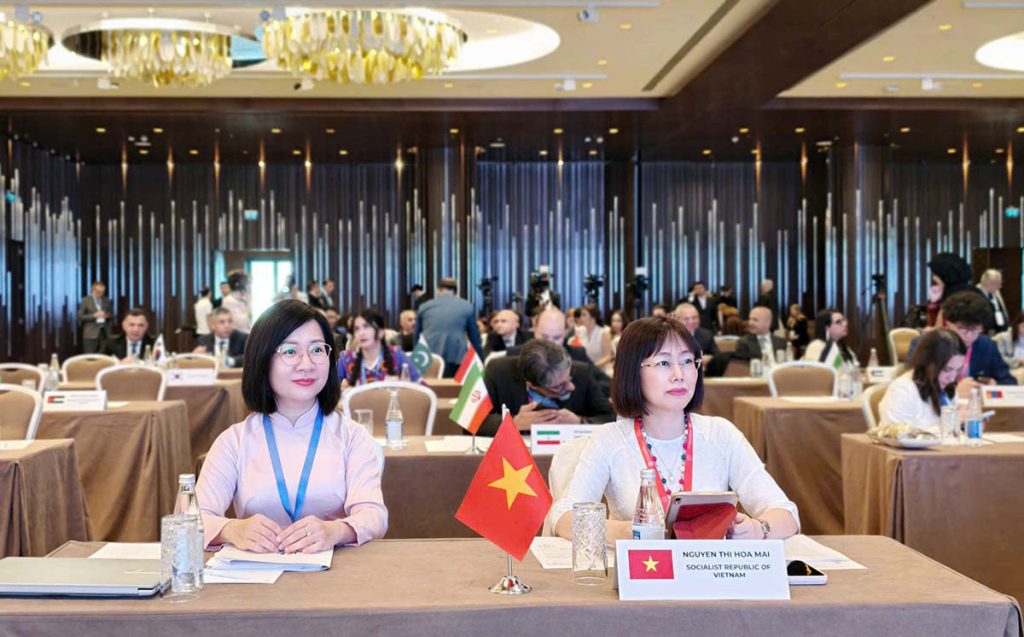
Addressing the conference, VNAT’s Vice Chairwoman Nguyen Thi Hoa Mai highlighted a key question facing the future of global tourism: how tourism can help create destinations where local culture, community life, and visitor experiences mutually support and enrich one another.
According to Vice Chairwoman, tourism in Viet Nam is not merely about attracting visitors; it is also a powerful tool for creating development opportunities for local communities, preserving cultural heritage, improving livelihoods, and fostering intercultural understanding.
The Vietnamese Government consistently identifies community-based tourism as one of the pillars of sustainable tourism development. This orientation is clearly reflected in the Tourism Law, the Viet Nam Tourism Development Strategy to 2030, the national target program on new rural development and socio-economic development in ethnic minority and mountainous areas.
Vietnam North to South Tour Package
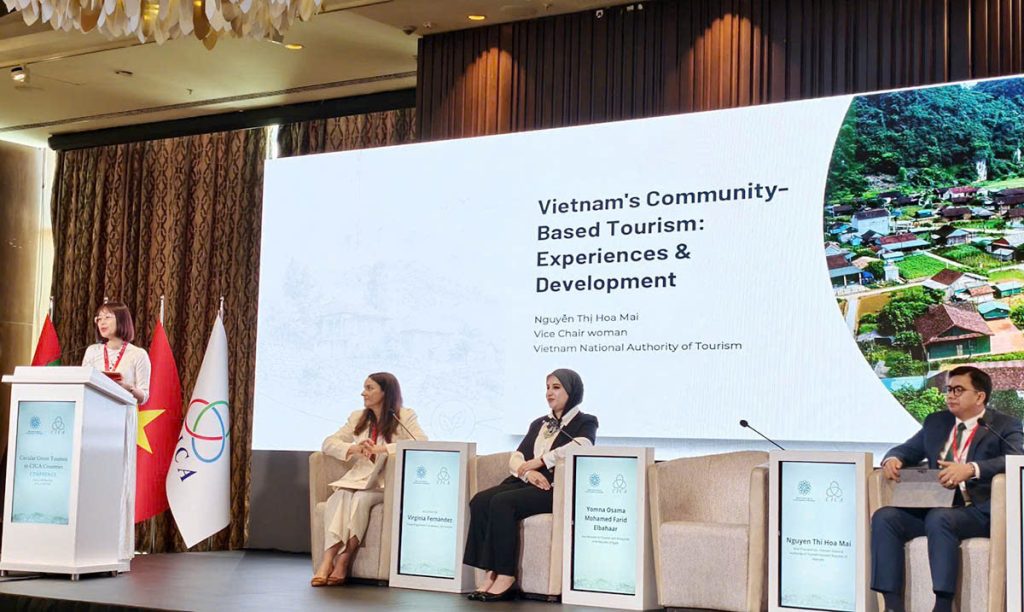
Vice Chairwoman emphasized that local communities should not be passive beneficiaries of tourism but active participants and owners of the tourism development process. In line with this principle, Viet Nam has implemented a range of policies to support local people through infrastructure development, vocational training, entrepreneurship promotion, and greater participation in destination management.
Practical models that showcase Viet Nam’s success
To illustrate Viet Nam’s people-centered approach, Vice Chairwoman Nguyen Thi Hoa Mai introduced three community-based tourism models to international delegates:
- Thai Hai Ecological Stilt-House Village (Thai Nguyen Province): A successful example of living heritage preservation through the “Three Shared Principles” model – sharing meals, sharing resources, and sharing community life. The model has helped preserve the authentic cultural identity of the Tay ethnic people while creating sustainable livelihoods.
- Lo Lo Chai Community Tourism and Cultural Village (Tuyen Quang Province): A compelling example of how tourism can strengthen cultural pride and identity. By empowering local residents and placing them at the center of development, the preservation of traditional Lo Lo architecture and cultural practices has become a foundation for prosperity.
- Climate-Adaptive Tourism Model in Tan Hoa (Quang Tri Province): A community frequently affected by floods and natural disasters has developed innovative floating-house solutions to adapt to climate change while promoting exploration of the Tu Lan cave system. This model demonstrates how tourism can be integrated with climate resilience and environmental adaptation.
Drawing on these examples, Vice Chairwoman stressed that tourism should not turn communities into “tourism products”. Instead, it should empower local people to tell their own stories, safeguard their heritage, and shape their own future. Tourism should be viewed as a partnership between communities and visitors.
“When local people benefit from tourism, they are more motivated to protect their cultural and natural assets. When communities take pride in their heritage, visitors enjoy more authentic and meaningful experiences. And when travelers respect local culture and the environment, destinations become more sustainable”, she noted.
Concluding her remarks, she reaffirmed Viet Nam’s belief that the future of tourism lies in placing communities at the center, culture at the core, and sustainability at the heart of development, thereby creating distinctive destinations and fostering inclusive growth.
Vietnam Itinerary From Ho Chi Minh City
CICA Member countries promote collective action
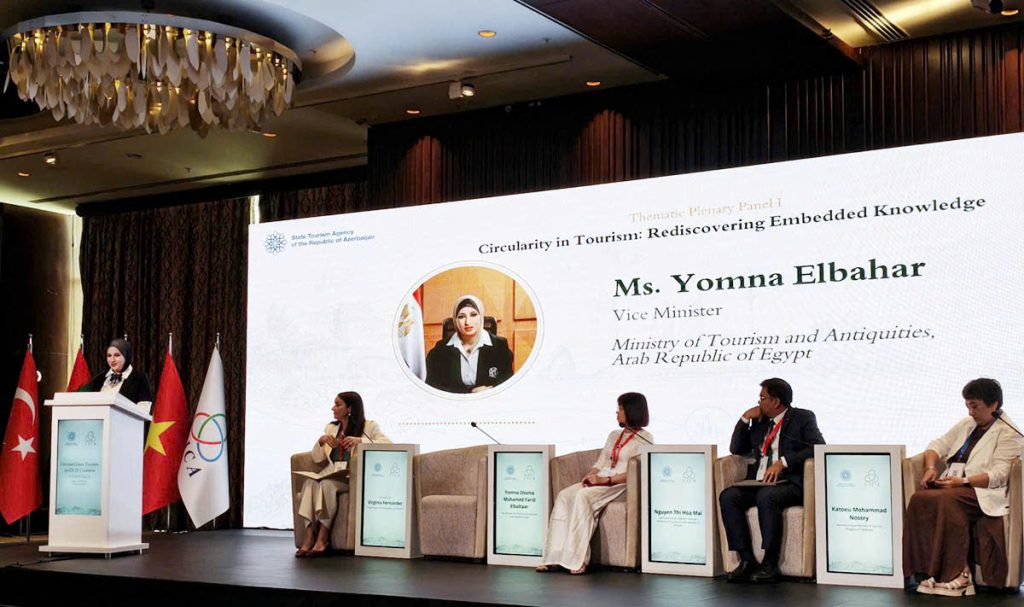
The conference also featured insightful presentations from other CICA member countries. Ms. Yomna Elbaha, Deputy Minister of Tourism and Antiquities of Egypt, shared experiences from a bottom-up urban regeneration project in the historic city of Esna, which successfully doubled visitor numbers by leveraging local culture and empowering women entrepreneurs.
Meanwhile, representatives from Cambodia’s Ministry of Tourism called on CICA member countries to strengthen connectivity, accelerate digital transformation, and invest in green infrastructure to transform heritage resources into sustainable opportunities for local communities.
As part of the conference program, delegates also engaged in thematic discussions on topics such as “Circularity in Tourism: Rediscovering Embedded Knowledge”, “Making Circular Value Visible: Design, Markets and Meaning” and “From Practice to Policy: Advancing Local Circular Loops”. These discussions generated fresh perspectives on shaping a more sustainable tourism future across Asia.
Tourism Information Technology Center