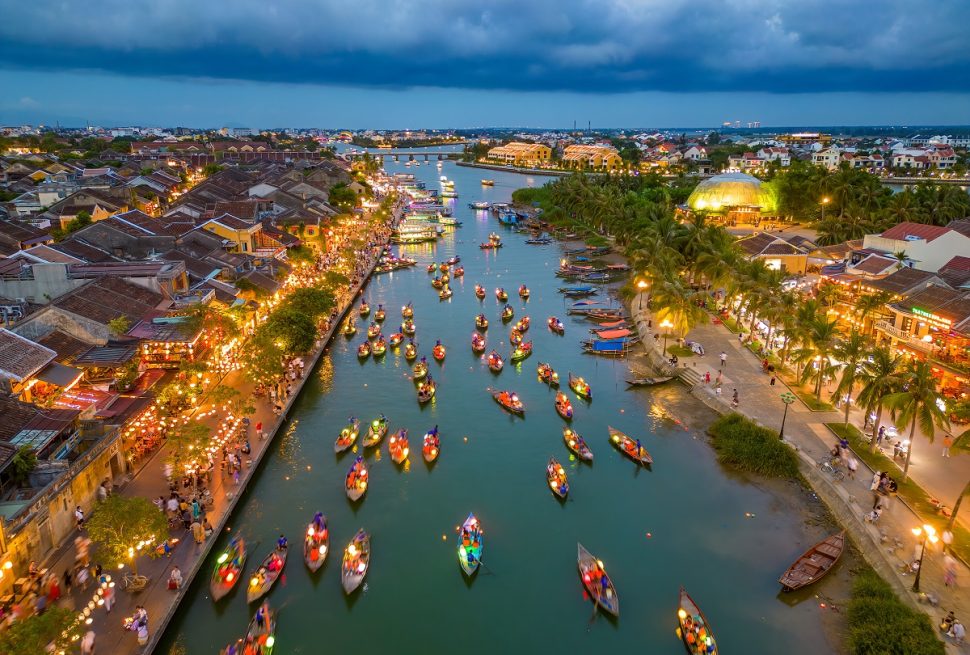
Getting around Vietnam is much easier than many first-time visitors expect. Whether you’re traveling between major cities, exploring charming ancient towns, or visiting remote mountain villages, Vietnam offers a wide range of transportation options to suit every travel style and budget.
From modern domestic flights and scenic train journeys to comfortable private transfers and ride-hailing apps, choosing the right transportation can save you time, reduce travel stress, and help you experience more of the country.
This guide explains the best ways to travel around Vietnam, including estimated travel times, costs, and practical tips to help you plan your journey with confidence.
Domestic Flights: The Fastest Way to Travel
Vietnam stretches more than 1,600 kilometers from north to south, making domestic flights the quickest option for long-distance travel. Major airlines operate frequent daily flights connecting Hanoi, Da Nang, Ho Chi Minh City, Phu Quoc, Nha Trang, Hue, Da Lat, Quy Nhon, and many other destinations.
Most flights take between one and two hours, allowing travelers to maximize their vacation instead of spending long hours on the road. Booking tickets several weeks in advance usually offers the best fares, especially during holidays and the summer travel season.
Domestic flights are highly recommended for itineraries that combine Northern, Central, and Southern Vietnam in one trip.

Trains: A Scenic Way to Experience Vietnam
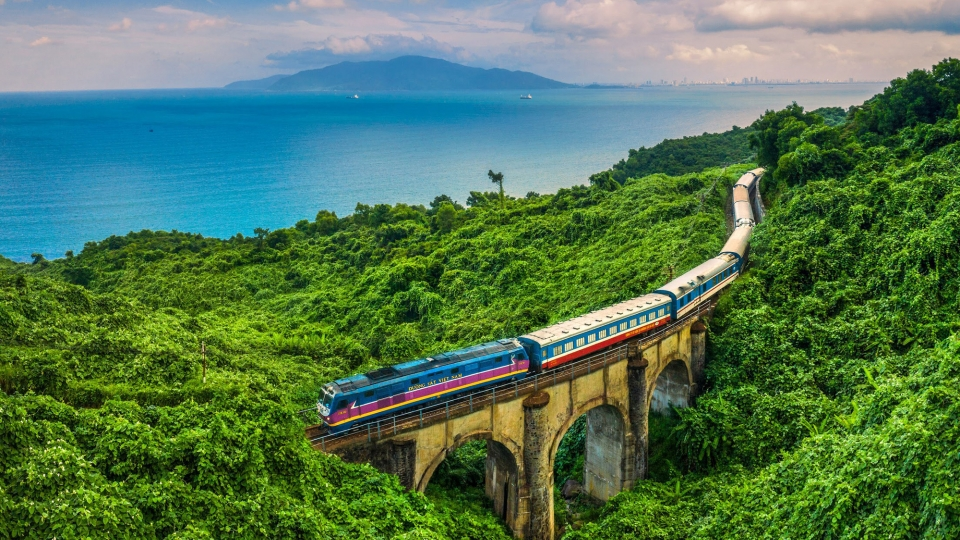
Vietnam’s North-South Railway is one of the country’s most memorable travel experiences. Running from Hanoi to Ho Chi Minh City, the route passes coastal villages, rice fields, mountains, and some of Vietnam’s most beautiful landscapes.
Popular train journeys include Hanoi to Ninh Binh, Da Nang to Hue via the famous Hai Van Pass, and overnight sleeper trains between Hanoi and Lao Cai for travelers visiting Sapa.
Although trains are slower than flying, they offer more space, beautiful scenery, and a chance to experience local life.
Private Cars: The Most Comfortable Option
Private transfers are becoming increasingly popular, especially among families, couples, and small groups.
Hiring a private car allows you to travel at your own pace, stop for sightseeing or meals along the way, and avoid the inconvenience of changing buses or trains.
Popular private transfer routes include Hanoi to Ninh Binh, Da Nang to Hoi An, Hue to Da Nang via Hai Van Pass, and Ho Chi Minh City to the Mekong Delta.
For travelers with limited time, private transportation often provides the best balance between comfort and flexibility.
Ride-Hailing Apps
In major cities such as Hanoi, Ho Chi Minh City, Da Nang, Can Tho, and Nha Trang, ride-hailing apps have become the easiest way to get around.
Grab is the most widely used platform, allowing visitors to book cars or motorbike taxis with transparent pricing. Payments can be made by cash or linked credit card, eliminating the need to negotiate fares.
For most travelers, Grab is the safest and most convenient option for short-distance transportation.

Taxis
Traditional taxis remain widely available across Vietnam. Reputable companies are generally reliable and use metered fares.
Avoid unmarked vehicles waiting outside airports or tourist attractions, as unofficial taxis may overcharge visitors. When possible, use established taxi companies or ride-hailing apps to ensure transparent pricing.
Buses and Coaches
Modern sleeper buses connect almost every destination in Vietnam and offer an affordable way to travel between cities.
They are particularly popular for routes such as Hanoi to Ha Giang, Hanoi to Sapa, Da Nang to Nha Trang, and Ho Chi Minh City to Mui Ne.
While buses are economical, overnight journeys may not be ideal for travelers seeking maximum comfort.

Motorbike Rentals
Renting a motorbike is a fantastic way to explore destinations like Ha Giang, Phong Nha, or the Hai Van Pass, but it is best suited to experienced riders with the appropriate driving license and insurance.
Traffic conditions in Vietnam can be very different from those in Western countries, so inexperienced visitors should consider joining guided tours or hiring local drivers instead.
Cycling
Many destinations are perfect for exploring by bicycle. Hoi An, Ninh Binh, Mai Chau, and the Mekong Delta all feature quiet countryside roads where cycling allows visitors to enjoy local villages, rice fields, and daily life at a relaxed pace.
Many hotels provide complimentary bicycles, making this one of the easiest ways to explore nearby attractions.
Ferries and Speedboats
Island destinations such as Phu Quoc, Con Dao, Cat Ba, Cham Island, and Ly Son are served by ferries or speedboats.
Weather conditions can occasionally affect schedules, particularly during the rainy season, so travelers should allow some flexibility when planning island visits.

Which Transportation Option Is Best?
If you’re traveling across Vietnam, combining different transportation methods often provides the best experience.
Flights are ideal for long distances, trains offer unforgettable scenery, private transfers provide flexibility, and Grab is perfect for city travel. Choosing the right option depends on your itinerary, budget, and available time.
Many international visitors also prefer booking complete transportation arrangements through experienced local travel companies such as Vietnam Tourist, especially for multi-city itineraries. This removes the hassle of coordinating multiple bookings while ensuring smooth connections between destinations.
Final Thoughts
Vietnam’s transportation network has improved significantly in recent years, making it easier than ever to explore the country. Whether you prefer the speed of domestic flights, the charm of train travel, or the convenience of private transfers, you’ll find an option that matches your travel style.
Planning your transportation in advance allows you to spend less time worrying about logistics and more time enjoying Vietnam’s breathtaking landscapes, fascinating culture, and unforgettable experiences.
Vietnam Tourist – Your Journey, Our Passion