(TITC) – A journey from Hanoi’s historic egg coffee to Ho Chi Minh City’s high-energy Vespa Street food tours reveals that in Vietnam, every dish tells a story of resilience, ingenuity, and deep-rooted tradition.
More than just a meal: Discovering history through food
According to article by Susmita Baral on Travel+Leisure, travelling has always been about chasing unforgettable culinary experiences. However, her recent journey through Vietnam proved to be much more than a checklist of delicious dishes. It changed her entire perspective on food travel, revealing how deeply Vietnam’s history, regional identity, and family traditions are woven into its cuisine.
Hanoi: Tradition, ingenuity, and time-honored recipes
The culinary adventure began in the bustling capital of Hanoi, where the aroma of simmering broth fills the streets. The northern leg of the trip offered a perfect balance of traditional and contemporary dining:
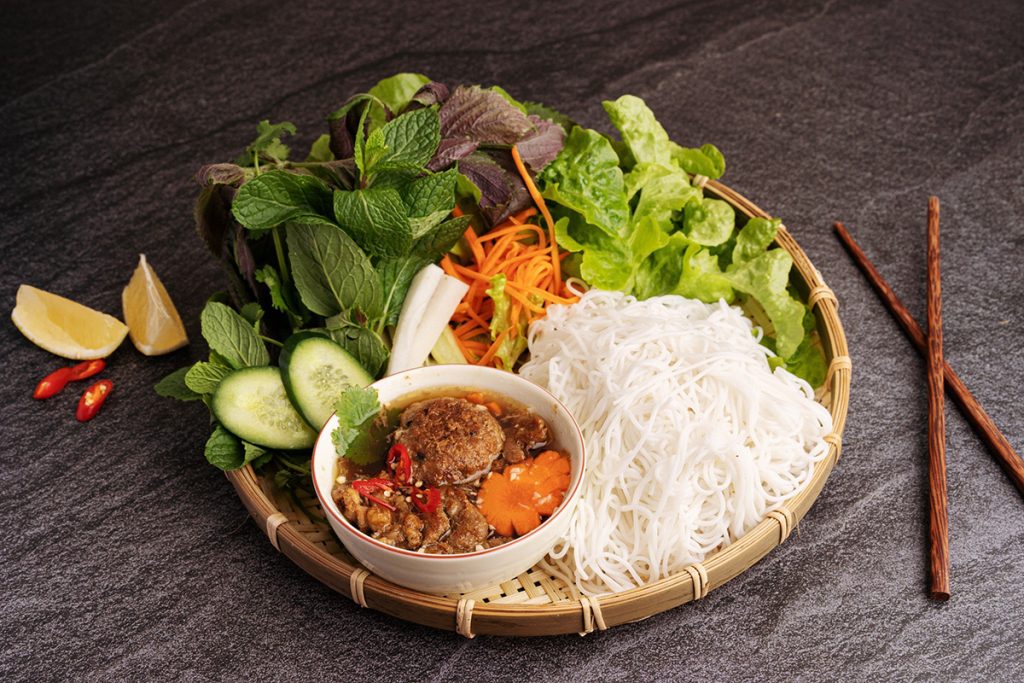
- Authentic flavours: The itinerary featured stops at a Michelin-starred restaurant specializing in home-cooked northern recipes, lively street-side Bún Chả (charcoal grilled pork noodle) spots, and local spots on the iconic beer street.
- Modern twists with deep roots: At a contemporary restaurant, traditional ingredients like the rare essence of the giant water bug, traditionally used in dipping sauces for bánh cuốn (steamed rice rolls), were reimagined in modern dishes.
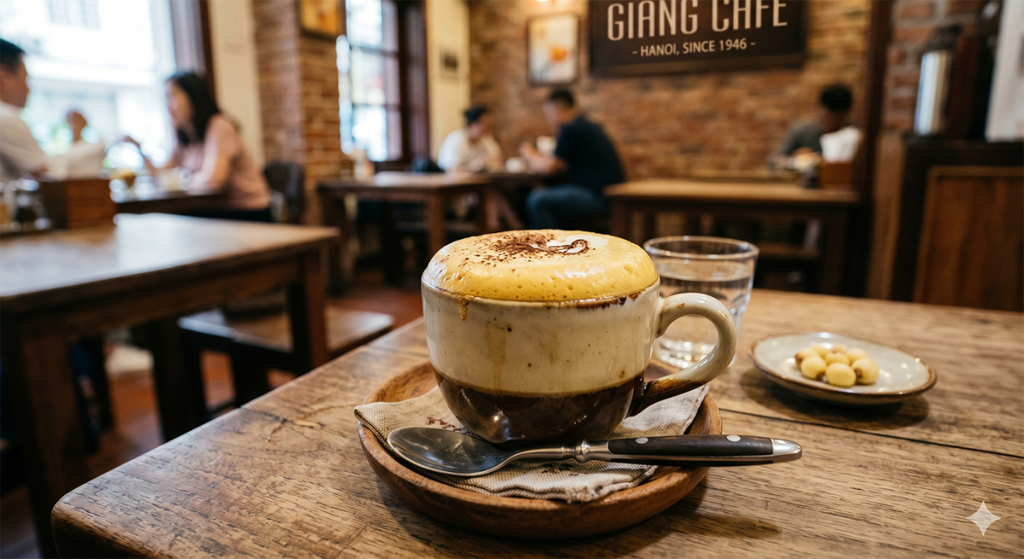
- A lesson in resourcefulness: Hanoi’s famous egg coffee served as a delicious history lesson. Invented during a time of fresh milk scarcity, this velvety blend of egg yolks, sugar, and condensed milk stands as a testament to the city’s creativity.
Beyond the plate, visits to historic sites like the Ho Chi Minh Mausoleum, One Pillar Pagoda, and Hoa Lo Prison Relic, combined with a cyclo ride through the Old Quarter and a water puppet show, provided crucial context to the country’s complex past.
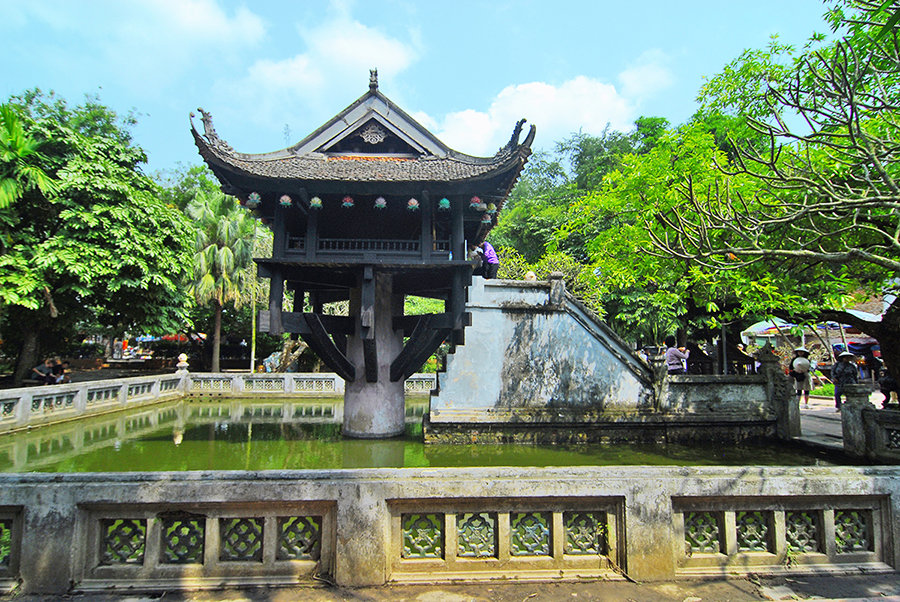
Hạ Long Bay: Serenity and “floating” convenience
Transitioning from the energetic capital, the journey moved to the breathtaking UNESCO World Heritage Site of Ha Long Bay.
- A bird’s-eye view: The writer took in the scale of the emerald waters and limestone islets from a seaplane before boarding an overnight cruise.
- On-water resourcefulness: The peaceful cruise was highlighted by local women rowing vendor boats alongside the ship to sell snacks and fresh fruit to passengers.

Ho Chi Minh City & The Mekong Delta: Modern energy and the “rice bowl”
The final chapter of the tour took place in Southern Vietnam, where the traditional charm of Hanoi met the high-octane energy of Ho Chi Minh City.
- Vespa Food Tour: The ultimate highlight was zooming through the City’s neon-lit alleyways on the back of vintage Vespas, stopping at neighborhood eateries and bustling street food stalls.
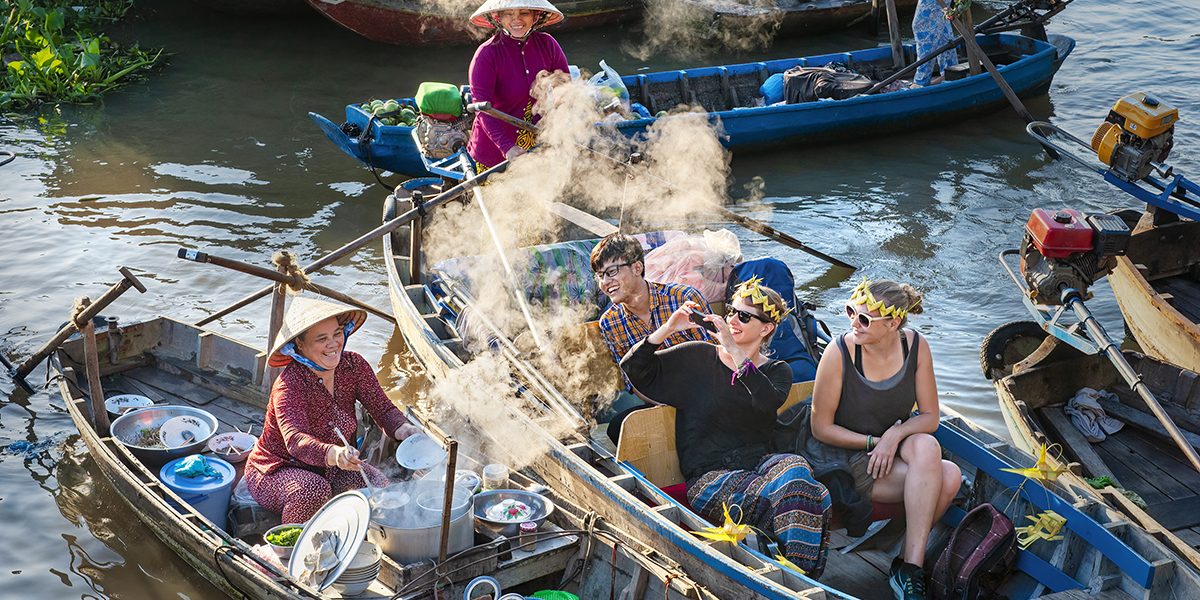
- The source of flavour: A day trip to the Mekong Delta – Vietnam’s “rice bowl”, connected the dishes to their origins. Cruising past orchards and fish farms on wooden boats, the author saw firsthand the rich landscapes and communities that fuel the nation’s culinary scene.
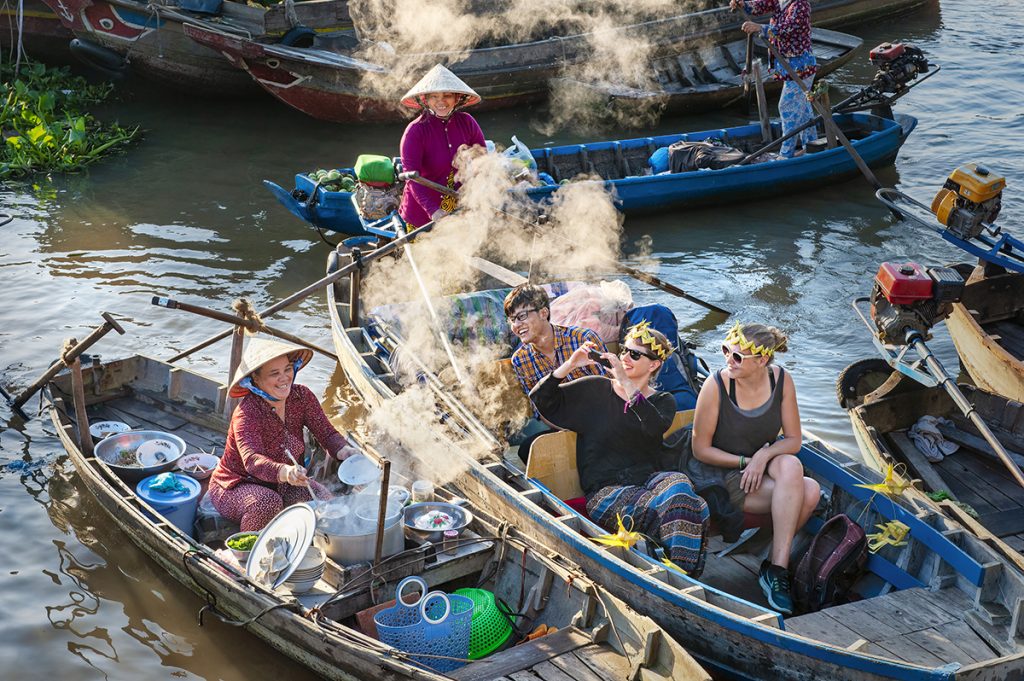
Vietnam Culinary Tour from Ho Chi Minh to Hanoi
The takeaway
“I may have traveled to Vietnam in search of unforgettable food, but I left realizing that every bowl of noodles, cup of coffee, and shared table offered a deeper understanding of the traditions that shaped them,” Baral reflects. Ultimately, the trip proved that the true heart of Vietnamese cuisine lies in the stories, the history, and the hospitable local people.
Tourism Information Technology Center