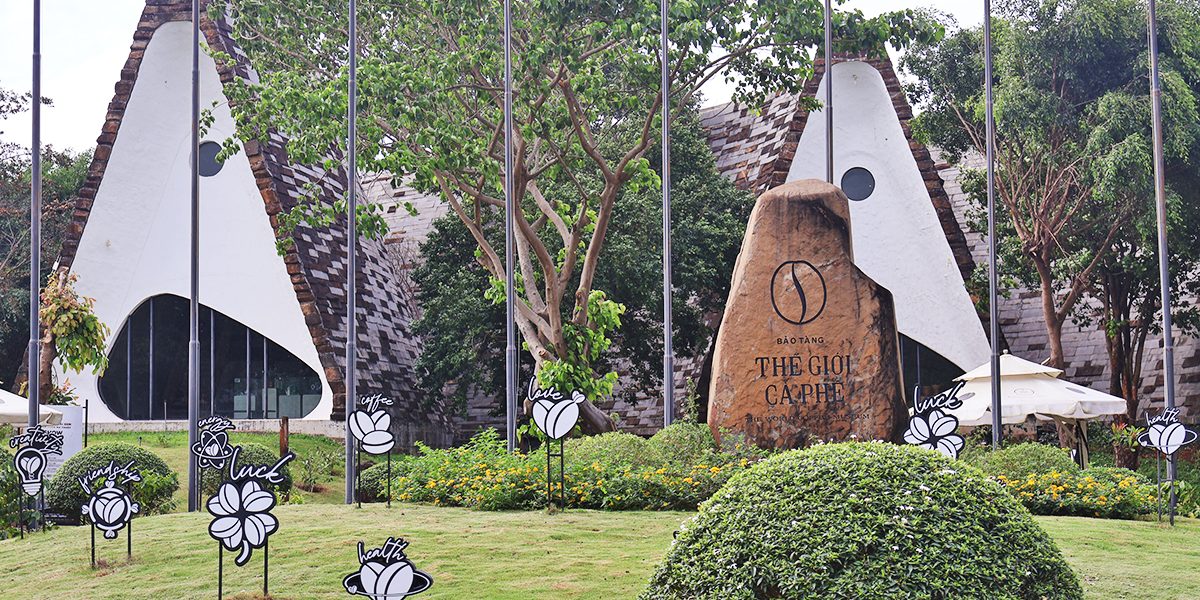
Ranked fourth, Buon Ma Thuot outperformed numerous renowned culinary destinations around the globe to earn a place on the prestigious list compiled by the US magazine National Geographic.
In National Geographic’s list of the “15 Best Food Destinations in the World for 2026”, Buon Ma Thuot surprisingly appeared proudly as one of the best food destinations in the world for the first time, marking its huge milestone as a new tourism magnetic.
As escalating climate pressures disrupt traditional Arabica bean production across the globe, the international coffee industry is engineering a significant strategic pivot. For decades, global coffee culture has been overwhelmingly reliant on the delicate, temperature-sensitive Arabica plant. However, as shifting weather patterns increasingly threaten these traditional crops, commodities markets and global roasters are turning their sights toward more resilient alternatives.
At the vanguard of this shifting agricultural paradigm is Vietnam’s Central Highlands, a robusta-friendly region rapidly ascending the ranks of global gastronomy. At its geographical and cultural heart sits Buon Ma Thuot, the capital of Dak Lak. This coffee-obsessed hub has emerged as a premier destination for travelers and industry experts seeking a less congested, authentic immersion into the future of global coffee culture.
The engine of the global Robusta market
Vietnam has consolidated its position as the world’s second-largest coffee exporter, trailing only Brazil. The engine driving this immense economic output is the Central Highlands, where sweeping, emerald-green plantations yield more than 40% of the nation’s coffee exports, supplying over 70 countries. Crucially, the region stands as the largest robusta-producing territory on earth.
While Western specialty roasters historically dismissed robusta as a mere high-yield filler bean destined for instant blends, the bean’s natural resilience to pests and tolerance for higher ambient temperatures have made it the indispensable backbone of a climate-threatened coffee economy. Furthermore, the narrative surrounding its quality is undergoing a radical revision.
‘Many experts and coffee businesses consider Buon Ma Thuot robusta to be amongst the best in the world,’ observes Helen Le, a prominent culinary author and authority on Vietnamese cuisine. ‘The beans are renowned for their full body, deep amber colour, high caffeine content, low acidity, intense aroma, and a remarkably long, sweet aftertaste.’
Culinary reinvention
Coffee was initially introduced to the region by the French. However, the domestic population did not merely adopt the beverage; they radically reimagined it into a distinct national institution. In Buon Ma Thuot, a common local aphorism suggests that one can encounter a café every 100 metres, a hyperbole that a brief walk through the central area proves to be grounded in reality.
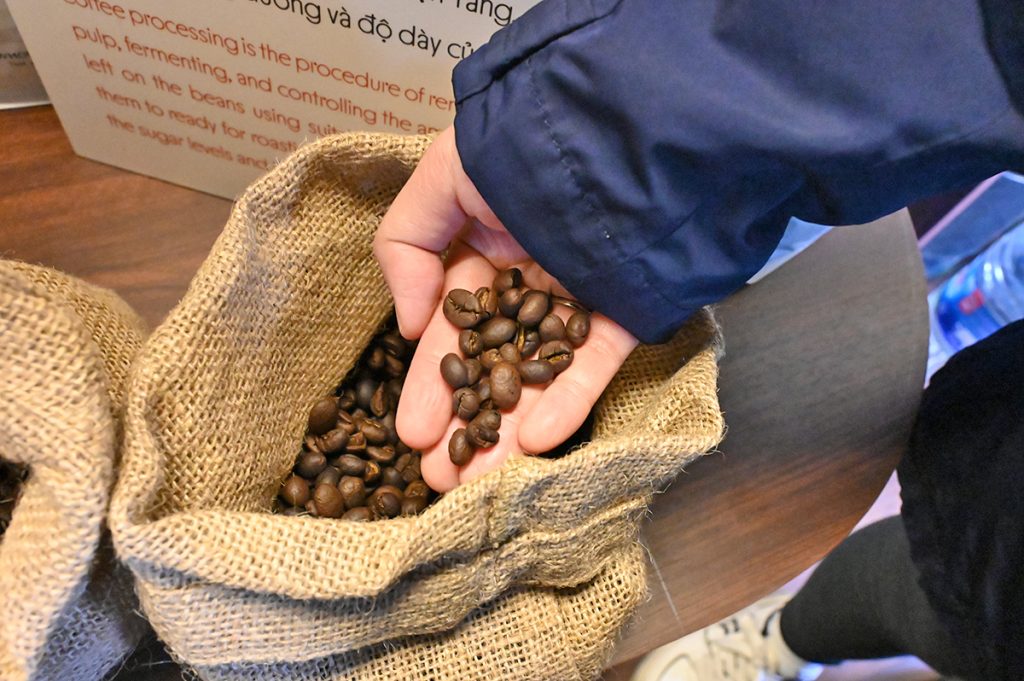
The cadence of daily life here is governed by the slow, deliberate drip of the phin, a traditional fine-mesh metal filter positioned atop a glass, which patiently concentrates the grounds into a dense, potent brew. This strong base has spawned an inventive and evolving regional menu:
- Cà phê sữa đá: The definitive national brew, combining the intense robusta drip with a generous layer of sweetened condensed milk over ice.
- Egg Coffee: A decadent, velvety creation featuring egg yolks whipped with sugar, producing a rich texture frequently compared to liquid tiramisu.
- Salt Coffee: A sophisticated, contemporary innovation where a layer of salted cream is introduced to cut through the robusta’s natural bitterness, accentuating its inherent sweetness.
Immersive infrastructure for food tourism
For international travelers arriving in Dak Lak, the local coffee infrastructure offers unprecedented access to the supply chain. Within the urban center, the expansive, 20,000-square-metre Trung Nguyen Coffee Village features a park-like compound where visitors can sample premium roasts, including ‘Legend’, an intense signature blend of arabica and robusta, inside meticulously reconstructed traditional stilt houses.
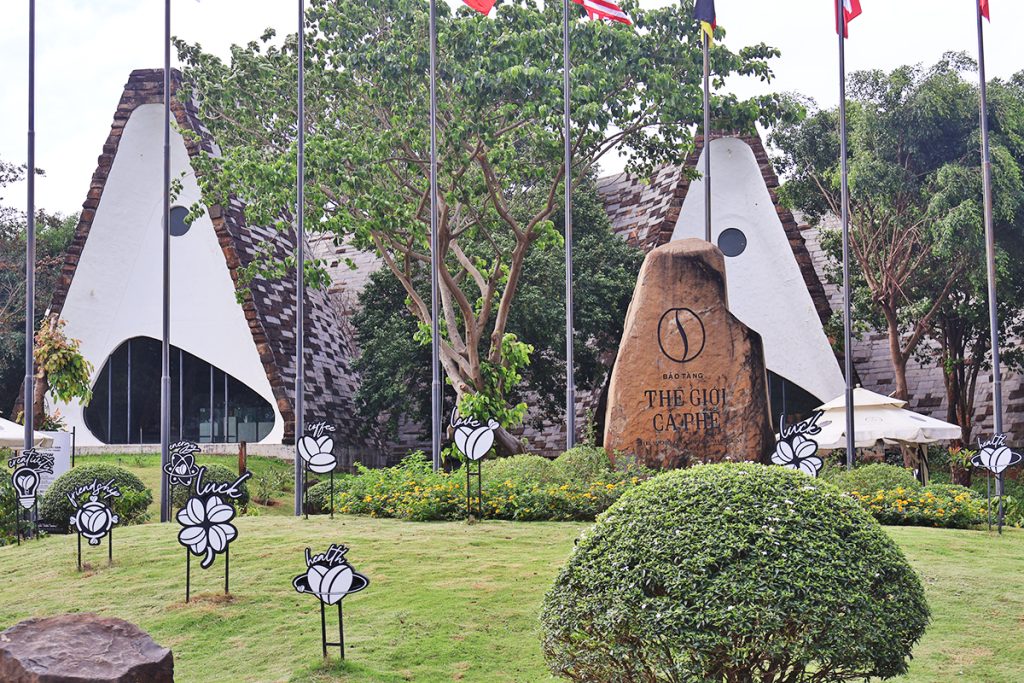
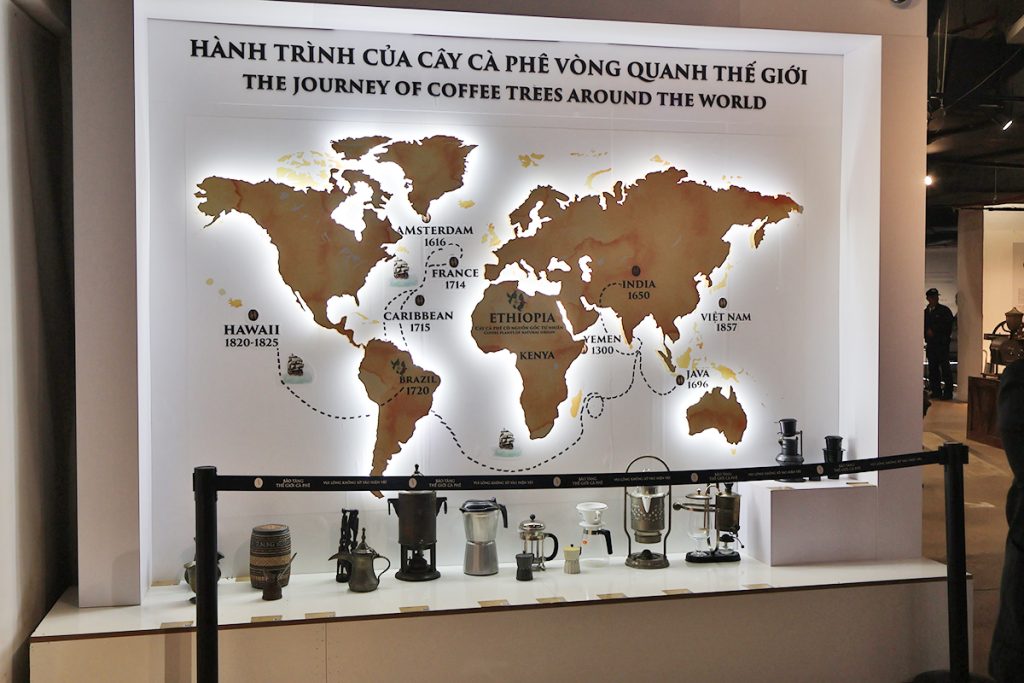
Beyond the tasting rooms, Buon Ma Thuot boasts significant architectural landmarks dedicated to the craft, most notably the World Coffee Museum. The institution’s striking, curvilinear concrete structures are designed to mirror the traditional longhouses of the region’s indigenous Ede people. Inside, the museum positions Vietnam’s coffee heritage within a broader global historical context, exhibiting thousands of antique brewing tools and historical artifacts alongside interactive aromatic blending stations and 3D maps tracking ancient coffee civilizations.
As global culinary tourism increasingly values environmental sustainability, crop resilience, and authentic regional terroir, Buon Ma Thuot is rapidly stepping out of the shadows of traditional tourism. It is no longer recognized merely as a regional agricultural hub, but as a critical capital of modern food culture.
Tourism Information Technology Center