(TITC) – On July 9 in Singapore, Vice Chairwoman of the Viet Nam National Authority of Tourism Nguyen Thi Hoa Mai led the Vietnamese delegation to attend the 64th ASEAN National Tourism Organizations and Related Meeting.

Advancing the ASEAN Tourism Sectoral Plan 2026 – 2030
Opening the meeting, Verna Esmeralda Buensuceso, Undersecretary of the Department of Tourism of the Philippines, highlighted that following the adoption of the ASEAN Tourism Sectoral Plan (ATSP) 2026 – 2030 by the ASEAN Tourism Ministers, ASEAN has entered a new phase of translating the strategic vision into concrete actions aimed at building a more resilient, inclusive, digitally enabled and better-connected tourism sector.
She noted that ASEAN tourism continues to face multiple challenges, including the prolonged impact of the Middle East crisis, rising aviation and energy costs, flight disruptions, and uncertainties in the global economy. Against this backdrop, the 64th ASEAN NTOs Meeting focused on finalizing monitoring indicators and action plans to ensure the effective implementation of the ATSP 2026 – 2030, thereby maintaining ASEAN’s position as one of the world’s most dynamic and attractive tourism regions.
Oliver Chong, Deputy Chief Executive of the Singapore Tourism Board emphasized that the ATSP 2026 – 2030 sets out a vision for ASEAN to evolve from a destination known primarily for visitor numbers into a high-quality and sustainable tourism destination. Achieving this vision, he noted, will require stronger regional cooperation and greater capacity to adapt to climate change, global competition and geopolitical uncertainties.
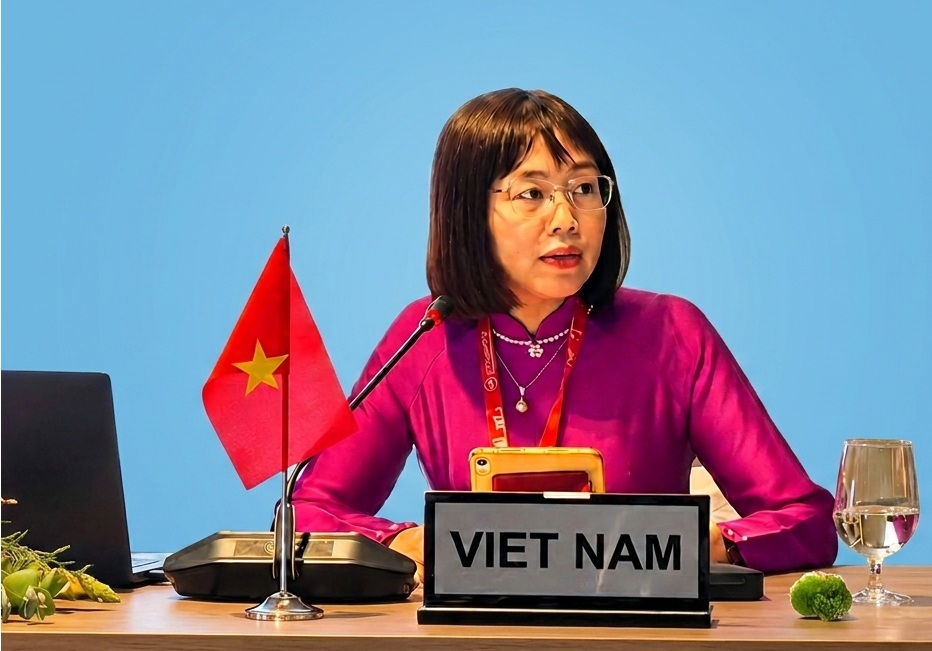
Viet Nam reaffirms commitment to ASEAN’s priority initiatives
Addressing the meeting, Vice Chairwoman Nguyen Thi Hoa Mai welcomed the initial progress made in implementing the ATSP work plan and reaffirmed Viet Nam’s commitment to leading two priority supporting initiatives under the new strategic framework: Supporting Initiative No. 20 on branding and promoting ASEAN Quality Tourism, and Supporting Initiative No. 40 on showcasing low-carbon and circular economy tourism models.
She also encouraged other ASEAN Member States to take the lead in implementing the remaining initiatives, enabling the strategic priorities to be translated into tangible outcomes that deliver practical benefits for the region’s tourism industry.
Ms. Nguyen Thi Hoa Mai stressed that, in an increasingly volatile global environment, ASEAN countries should further strengthen information exchange, share best practices, and coordinate timely responses to emerging challenges in order to enhance the resilience and adaptability of the regional tourism sector.
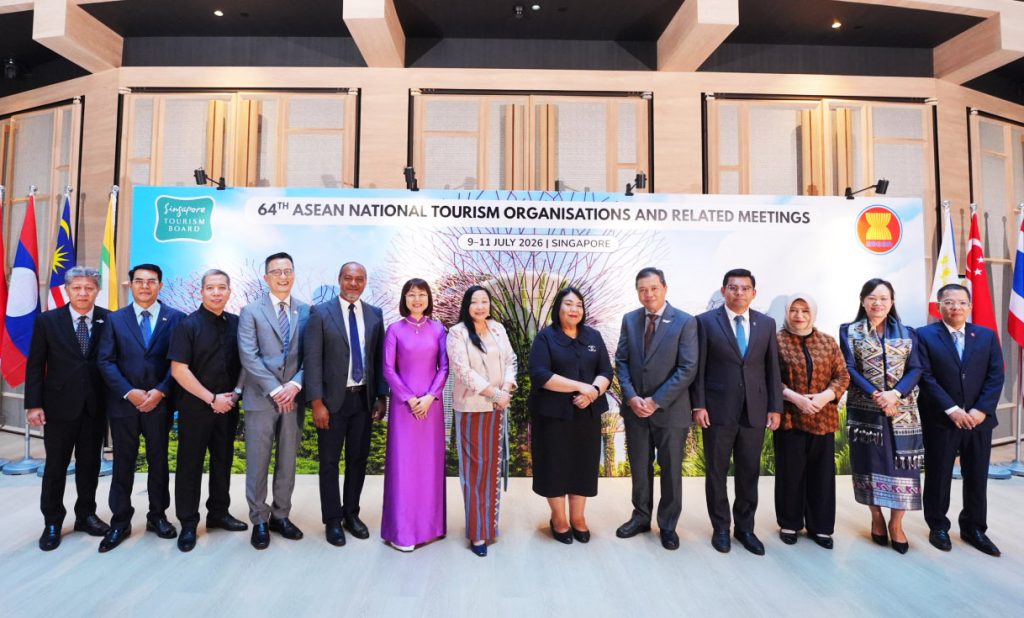
Viet Nam proposes measures to enhance ASEAN tourism resilience
An agenda item of the meeting was the discussion on the economic implications of the situation in the Middle East for ASEAN tourism. Member States acknowledged its impact on air transportation, fuel prices and international travel demand.
Sharing Viet Nam’s perspective, Vice Chairwoman Nguyen Thi Hoa Mai noted that while the country’s tourism sector has also been affected, the impacts have been largely indirect, reflected in higher transportation and energy costs, weaker consumer confidence and broader global economic uncertainties. Nevertheless, Viet Nam has maintained its appeal as a safe and attractive destination.
She highlighted that Viet Nam welcomed nearly 12.3 million international visitors in the first six months of 2026, representing a 14.9% year-on-year increase, demonstrating the tourism sector’s strong resilience and sustained recovery.
Viet Nam proposed that ASEAN view the current challenges as an opportunity to reinforce the resilience of regional tourism through three key measures: promoting intra-ASEAN tourism; strengthening aviation cooperation and expanding regional connectivity; and jointly positioning ASEAN as “a safe, diverse and welcoming destination” to reinforce international traveller confidence and enhance the region’s global competitiveness.

Strengthening regional tourism cooperation
The meeting also discussed the review and development of a new agreement to replace the ASEAN Tourism Agreement, amendments to the Terms of Reference, and a proposed adjustment to the annual contributions to the ASEAN National Tourism Organizations Fund to ensure sufficient resources for implementing future regional cooperation programmes.
In terms of cross-sectoral cooperation, delegates considered a proposal to establish an ASEAN Tourism and Sports Intersectoral Meeting, opening new opportunities to link tourism with regional sporting events. The meeting also reviewed progress made by the ASEAN Task Force on Tourism and Transport (ATFTT), including initiatives to improve air connectivity, promote cruise tourism, and enhance transport infrastructure supporting tourism across the region.
Vietnam & Cambodia Highlights Package Tour
Representatives of nine dialogue partners and international organizations: US-ABC, Agoda, AirAsia MOVE, ASEANTA, ATRA, ERIA, Grab, IATA and WTTC also presented initiatives to support ASEAN tourism development.
| Under the implementation mechanism of the ASEAN Tourism Sectoral Plan 2026 – 2030, the ASEAN National Tourism Organizations will play a central role in translating the decisions of the ASEAN Tourism Ministers Meeting and the priorities of Member States into concrete actions. In addition to monitoring the implementation of regional tourism policies, the NTOs will develop and implement strategic work plans while serving as a bridge between the public and private sectors and other stakeholders. ASEAN will also strengthen cross-sectoral cooperation to maximise tourism’s contribution to broader socio-economic development and realise the region’s shared vision.ATSP 2026 – 2030 is built around five strategic pillars under the READS framework: Resilient tourism; Empowered tourism workforce; Accessible and seamless travel; Digital Tourism, product and market diversification; and Sustainable tourism. |
Tourism Information Technology Center