(TITC) – MICHELIN Guide spotlights Vietnam’s translucent tapioca dumplings in its guide to Asia’s diverse dumpling traditions.
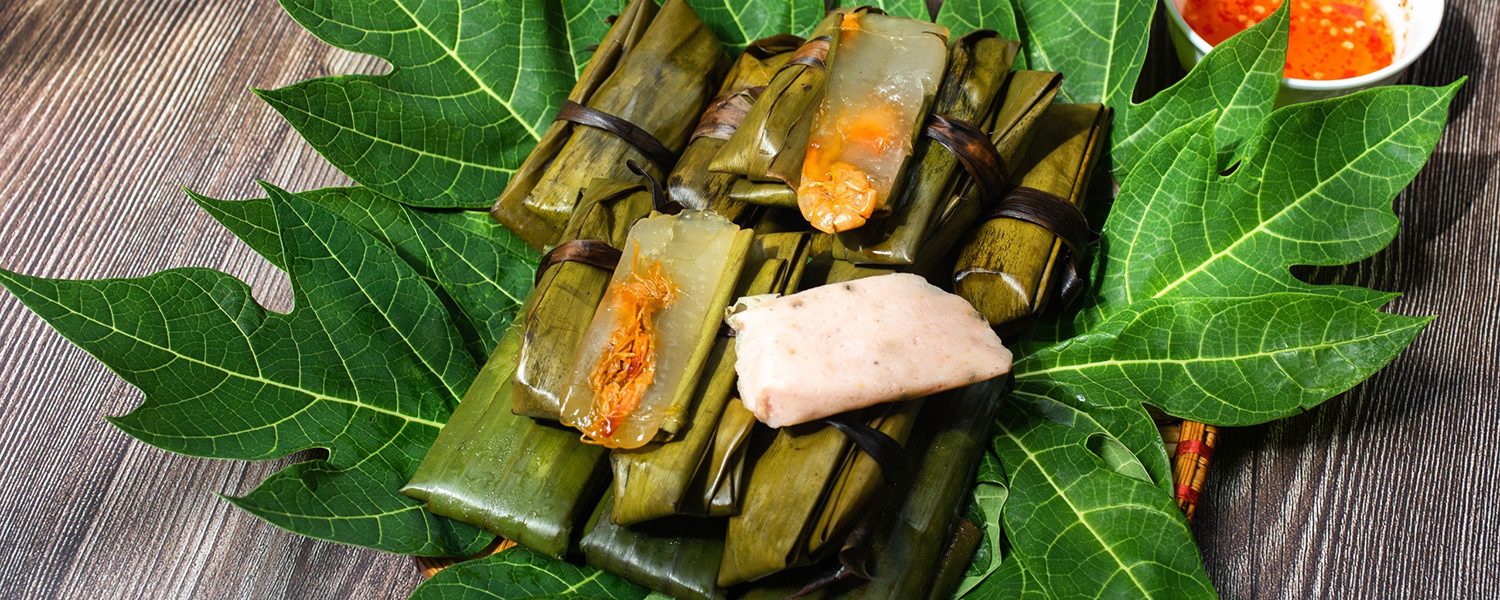
Banh bot loc, a beloved Vietnamese dumpling originating in Hue, takes the spotlight in the MICHELIN Guide’s feature “Asian Dumplings Guide: 6 Destinations and MICHELIN-Worthy Discoveries.
Made from tapioca starch, banh bot loc is known for its small size, translucent appearance and delightfully chewy texture. Traditionally filled with shrimp and pork, the dumplings are either wrapped in banana leaves and steamed or boiled, then served with a sweet-and-savoury fish sauce that enhances their delicate flavors.
According to the MICHELIN Guide, the dish is deeply rooted in the culinary traditions of Hue, Vietnam’s former imperial capital. Beyond its appealing taste and texture, banh bot loc reflects generations of culinary craftsmanship, with preparation techniques passed down through family kitchens and preserved at festive gatherings.
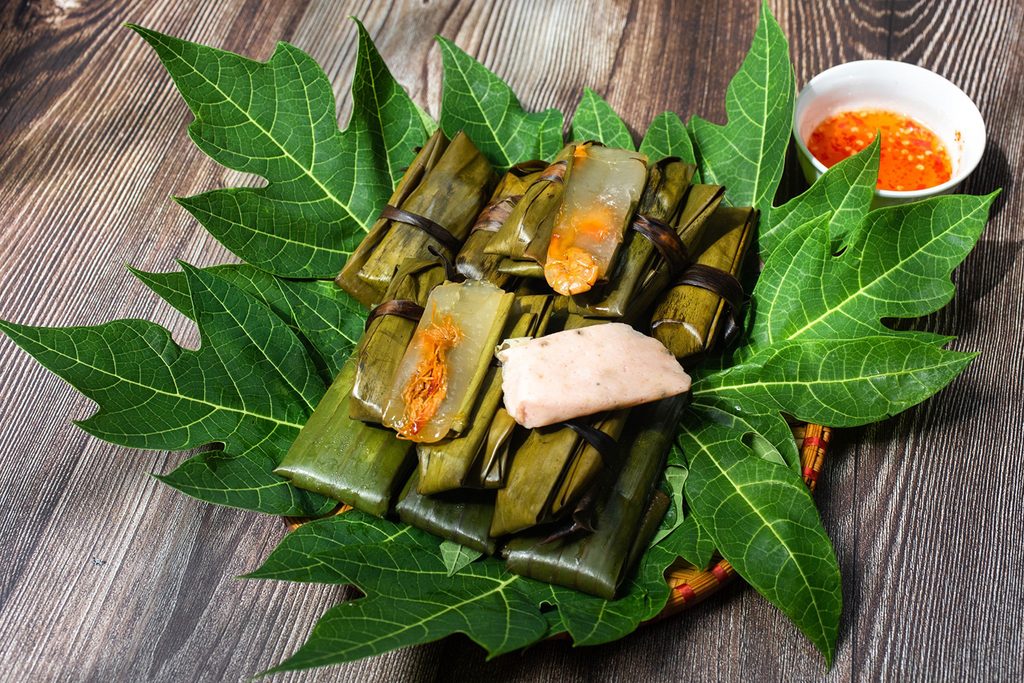
The dumplings are served with a thin, translucent wrapper encasing succulent shrimp and savoury pork, creating a balance of textures and flavours that defines the dish.
Despite its humble appearance, making excellent banh bot loc requires considerable skill. The tapioca wrapper must be thin and delicate yet strong enough to hold the filling, while the shrimp, pork and seasoning must be carefully balanced to preserve the dish’s distinctive character.
By featuring banh bot loc alongside iconic dumplings from across Asia, the MICHELIN Guide brings international attention to Vietnam’s regional cuisine and its enduring food traditions. The dish offers travellers a delicious introduction to Hue’s culinary heritage, demonstrating how local ingredients, artisanal techniques and generations of knowledge continue to shape Vietnam’s rich and diverse food culture.
Alongside Banh bot loc, MICHELIN Guide also praised China’s xiao long bao, delicate soup-filled dumplings, are celebrated for their flavourful broth. Japan’s gyoza, typically filled with meat and vegetables, are known for their crisp, pan-fried bases. South Korea’s mandu come in various forms and fillings, often featuring meat, tofu and vegetables. Nepal’s momo, popular across the Himalayan region, are commonly served steamed with a spicy dipping sauce. And, Hong Kong’s har gow, translucent shrimp dumplings, are a classic of Cantonese dim sum.
Tourism Information Technology Center