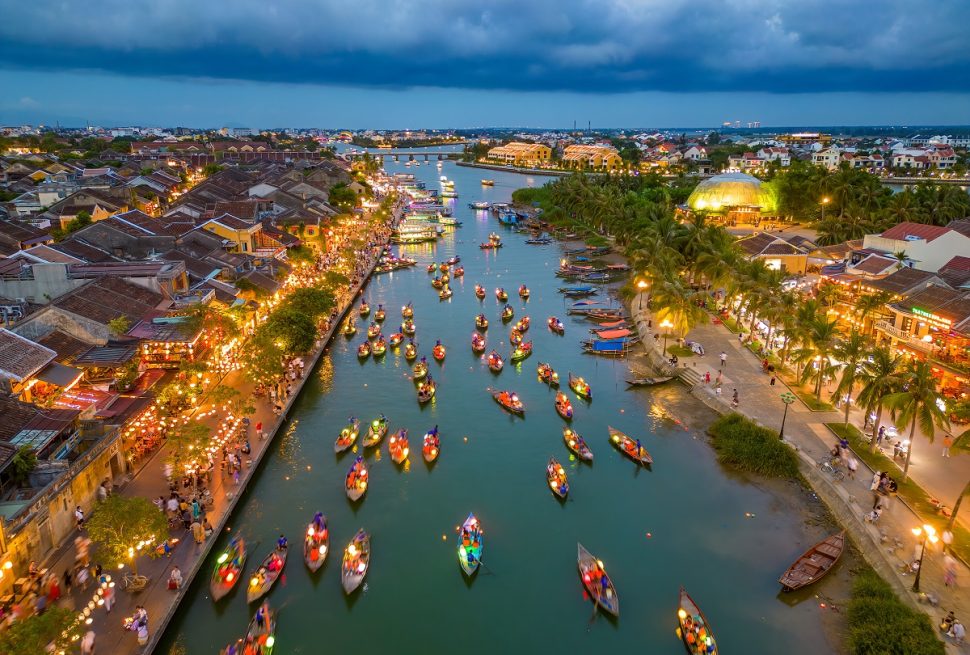
Traveling from northern Vietnam to the south sounds simple when you look at a map. In practice, the country is longer than many first-time visitors expect, and moving between regions can take more time than planned. A good itinerary is not about visiting as many places as possible. It is about choosing the right stops and allowing enough time to enjoy them.
For most travelers, the classic route begins in Hanoi and ends in Ho Chi Minh City. Along the way, you can experience northern culture, limestone landscapes, historic towns, imperial architecture and the busy rhythm of southern Vietnam.
The best route depends on how many days you have. Here is how to organize a realistic 7, 10 or 14-day journey.
Before Planning Your Route
Vietnam has three main travel regions, and each feels quite different.
The north is known for Hanoi, mountain scenery, rice terraces and limestone formations. Central Vietnam combines beaches, historical sites and old trading towns. The south is warmer and more energetic, with Ho Chi Minh City, the Mekong Delta and tropical islands.
The weather also changes from region to region. It is possible to have cool weather in Hanoi while central Vietnam is experiencing rain and the south remains hot. This is one reason why the same itinerary may work well in one month but feel less comfortable in another.
Domestic flights are usually the most practical way to cover long distances. Trains are an alternative for travelers who enjoy slower journeys, but they require more time.

A 7-Day North to South Vietnam Itinerary
Seven days is enough to see several major highlights, but the pace will be fairly quick. It is better to focus on four or five destinations rather than trying to include the entire country.
Days 1-2: Hanoi
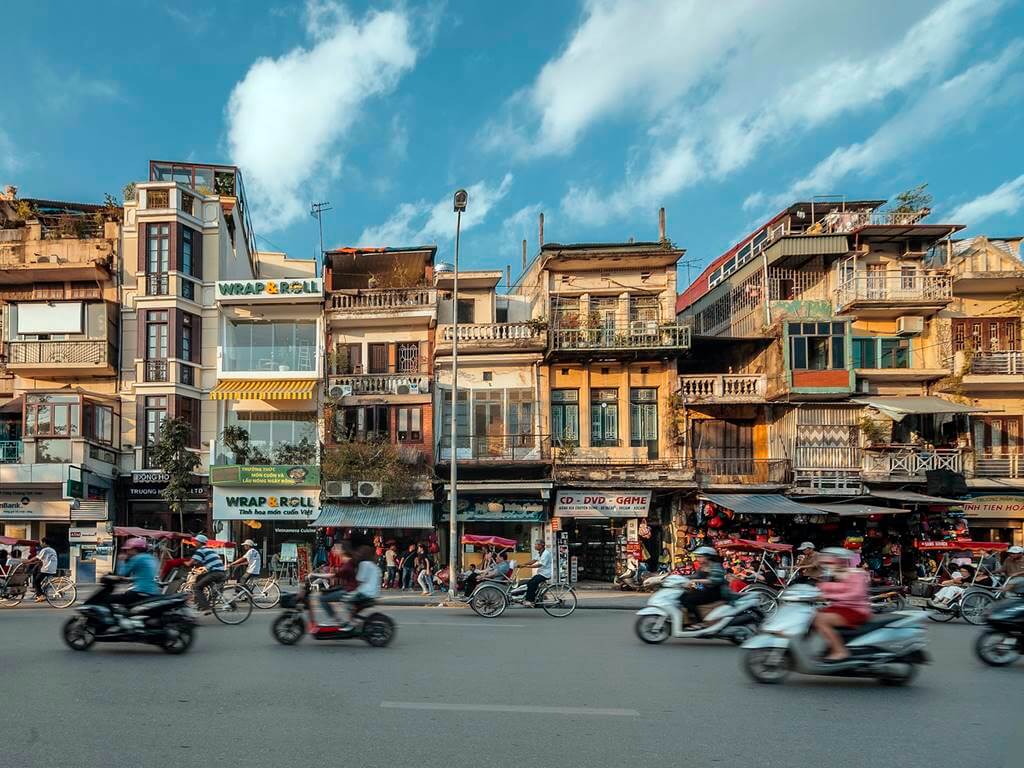
Start in Hanoi, where the Old Quarter is a convenient base for exploring the city. Spend time around Hoan Kiem Lake, visit the Temple of Literature and walk through the smaller streets surrounding the lake.
Do not plan too much on your arrival day. Hanoi is best experienced slowly, with time for a bowl of pho, a cup of Vietnamese coffee or an evening walk around the Old Quarter.
On the second day, you can visit the Ho Chi Minh complex, One Pillar Pagoda and Hoa Lo Prison Museum. If you prefer a less structured day, simply explore local neighborhoods and try a few traditional dishes.
Day 3: Ha Long Bay
Ha Long Bay can be visited as a day trip from Hanoi, although an overnight cruise gives you more time on the water. With only seven days, a day cruise may be the more practical choice.
After returning to Hanoi, take an evening flight to Da Nang if the schedule works. Avoid arranging a very late transfer or activity after the flight, especially if you are traveling with children or older family members.
Days 4-5: Hoi An and Da Nang
From Da Nang Airport, it is a short transfer to Hoi An. The ancient town is particularly attractive in the late afternoon, when the temperature becomes more pleasant and the lanterns begin to light up.
Spend the next day exploring Hoi An at an easy pace. You could visit Tra Que Vegetable Village, take a short countryside cycling tour or simply enjoy the old streets and riverside cafés.
Da Nang can be used as the base if you prefer modern hotels, beaches and easier access to the airport. Hoi An is more atmospheric, but it can become busy around the central pedestrian streets.

Days 6-7: Ho Chi Minh City
Take a flight from Da Nang to Ho Chi Minh City. In the city center, visit the War Remnants Museum, Independence Palace and the Central Post Office. These sights are relatively close to one another, so they can be combined without spending the whole day in traffic.
If your departure flight is late on Day 7, you may have time for shopping or a short city tour. The Cu Chi Tunnels and Mekong Delta are better treated as separate excursions rather than rushed into the final day.

A 10-Day North to South Vietnam Itinerary
Ten days offers a more comfortable balance. You can include central Vietnam properly and still have time for southern excursions.
Days 1-2: Hanoi
Explore Hanoi’s main historical sites, the Old Quarter and Hoan Kiem Lake. Keep one evening free for street food or a traditional water puppet performance.
Day 3: Ninh Binh
Ninh Binh is a useful addition for travelers who enjoy scenery and outdoor activities. A boat trip in Trang An or Tam Coc takes you between limestone cliffs, waterways and rural landscapes.
Hang Mua is another popular stop, but climbing the viewpoint can be tiring in hot weather. If you prefer a relaxed day, the boat trip and countryside are enough.

Day 4: Ha Long Bay
Continue to Ha Long Bay for a cruise. An overnight cruise works well in a 10-day itinerary because it avoids the feeling of traveling to the bay only to turn around a few hours later.

Days 5-6: Hoi An and Da Nang
Fly from Hanoi to Da Nang and transfer to Hoi An. Use one day for the ancient town and another for Da Nang, the Son Tra Peninsula or the Marble Mountains.
If you want to visit Ba Na Hills, allow most of a full day. It is not a small stop that can easily be added between several other attractions.
Day 7: Hue
Travel from Hoi An to Hue by private car. The Hai Van Pass offers attractive coastal views, and the road journey is more interesting than a direct transfer by plane.
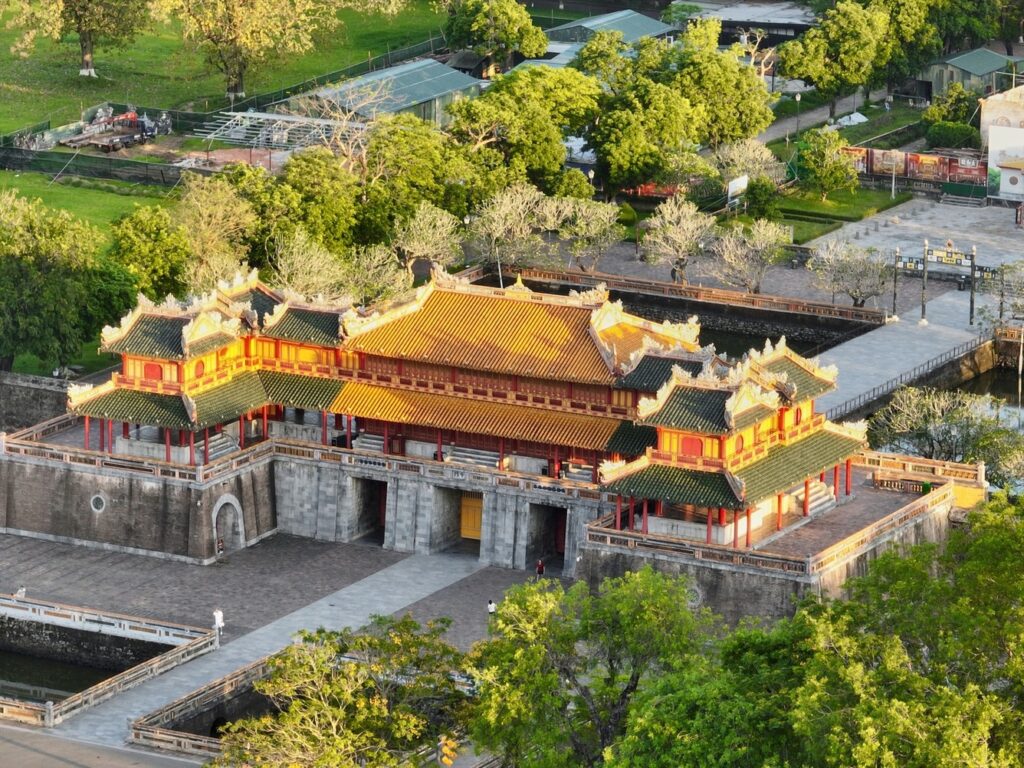
In Hue, visit the Imperial Citadel and, if time permits, one or two royal tombs. The city has many historical sites, but trying to visit all of them in one afternoon can make the experience feel rushed.
Days 8-9: Ho Chi Minh City
Fly to Ho Chi Minh City and explore the central districts. On the following day, choose either the Cu Chi Tunnels or the Mekong Delta.
Both are worthwhile, but they offer different experiences. Cu Chi focuses more on wartime history, while the Mekong Delta is about waterways, agriculture and everyday life in southern Vietnam.
Day 10: Departure
Keep the final day flexible. Depending on your flight time, you may have time for a market visit, coffee or a relaxed lunch before heading to the airport.
A 14-Day North to South Vietnam Itinerary
Fourteen days allows you to travel with fewer compromises. You can include more scenery in the north, spend longer in central Vietnam and add time for the Mekong Delta or Phu Quoc.
Days 1-3: Hanoi and Ninh Binh
Spend two days in Hanoi before traveling to Ninh Binh. Stay overnight if possible rather than returning to Hanoi after the boat trip. This reduces unnecessary driving and gives you a chance to see the countryside in the early morning.
Days 4-5: Ha Long Bay
Travel to Ha Long Bay or one of the nearby cruise areas for an overnight stay. Choose the cruise carefully, as routes and activities vary. Some focus on caves and kayaking, while others spend more time in quieter areas.
Days 6-8: Hoi An, Da Nang and Hue
Fly to Da Nang and divide your time between Hoi An and Hue.
In Hoi An, you can explore the ancient town, visit the countryside or join a cooking class. On the way to Hue, stop at the Hai Van Pass and visit selected historical sites after arrival.
Three days is a reasonable amount of time for this section. Adding too many activities may leave little opportunity to enjoy the towns themselves.

Days 9-11: Ho Chi Minh City
Spend three days in Ho Chi Minh City. Visit the main historical attractions, explore local food streets and leave time for neighborhoods outside the usual tourist route.
A guided food tour is useful here because many interesting places are small, busy and not always easy to find independently.
Day 12: Mekong Delta
Take a day trip to Ben Tre, My Tho or another suitable area of the Mekong Delta. The exact route should depend on how much time you want to spend on boats and in villages.
Travelers who want a deeper experience can stay overnight in the delta instead of returning to Ho Chi Minh City the same day.

Days 13-14: Phu Quoc or Extra Time on the Mainland
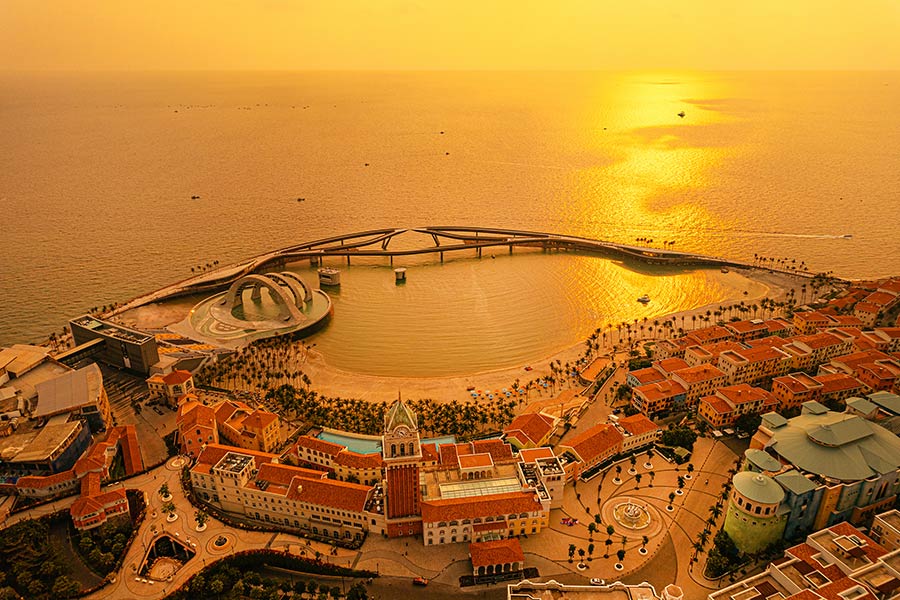
If your international flight connections are convenient, you can finish the trip in Phu Quoc for two days of beaches and relaxation.
However, do not add Phu Quoc automatically. The extra flight may not be worthwhile if your departure is already scheduled from Ho Chi Minh City. In that case, use the final days for the Mekong Delta or additional time in the city.
How Vietnam Tourist Can Help Organize the Journey
A north-to-south trip involves several separate arrangements: domestic flights, airport transfers, hotels, sightseeing tickets, guides and regional transportation. Managing each service independently is possible, but small timing problems can affect the entire route.
Vietnam Tourist can coordinate these services into one itinerary and adjust the program according to the traveler’s priorities. For example, a family may prefer fewer hotel changes, while a couple interested in culture may choose longer stays in Hue and Hoi An. Travelers with limited time may also replace a long road transfer with a domestic flight.
The itinerary should be designed around the actual arrival and departure times, not only around the number of destinations listed on paper.
Choosing the Right Trip Length
A seven-day trip works for travelers who want a quick introduction to Vietnam and do not mind a busy schedule.
Ten days is more suitable for travelers who want to include Hanoi, Ha Long Bay, central Vietnam and Ho Chi Minh City without rushing every day.
Fourteen days gives you the freedom to add Ninh Binh, spend longer in Hoi An and Hue, or explore the Mekong Delta in greater depth.
Whatever length you choose, avoid filling every day with activities. Some of the most memorable moments in Vietnam happen between planned stops: sitting at a small café, watching daily life in a market or taking an unplanned walk through an unfamiliar street.
Vietnam Tourist – Your Journey, Our Passion