Understanding how money works in Vietnam is one of the most important parts of planning a smooth and stress-free trip. While Vietnam is becoming increasingly cashless, many local businesses still prefer cash payments, especially in traditional markets, street food stalls, and rural areas.
Whether you’re visiting Vietnam for a short holiday or a longer adventure, knowing when to use cash, where to exchange money, and how to avoid common payment mistakes will help you travel with confidence.
This guide covers everything first-time visitors need to know about currency, payment methods, ATMs, tipping, and managing their travel budget in Vietnam.
What Currency Does Vietnam Use?
Vietnam’s official currency is the Vietnamese Dong (VND).
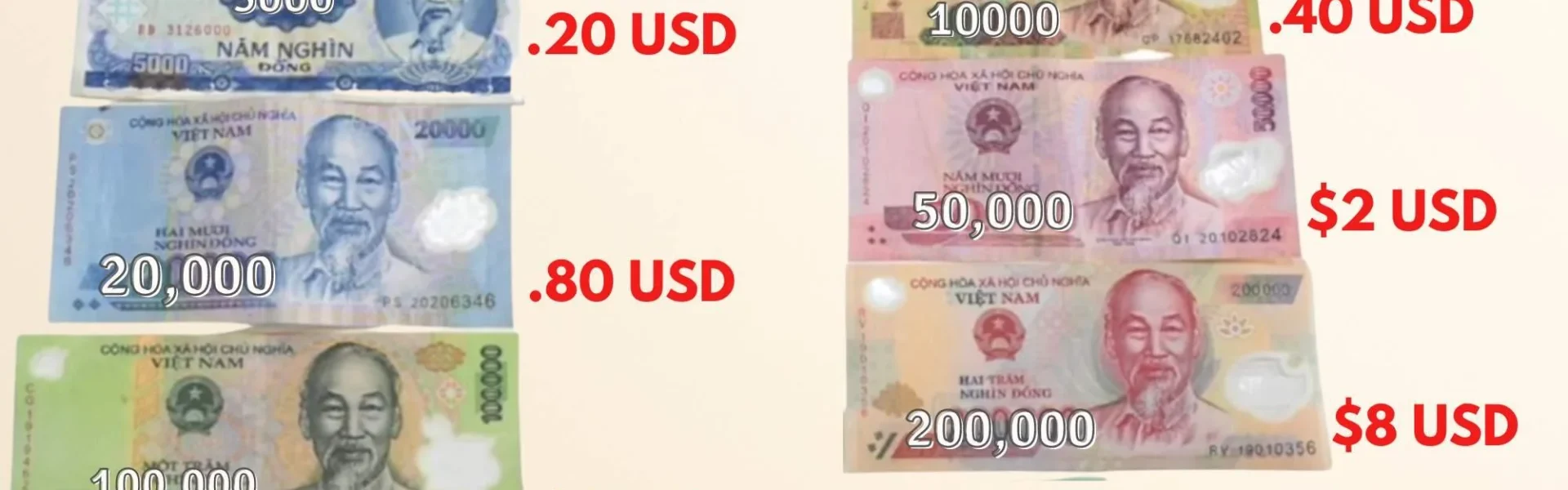
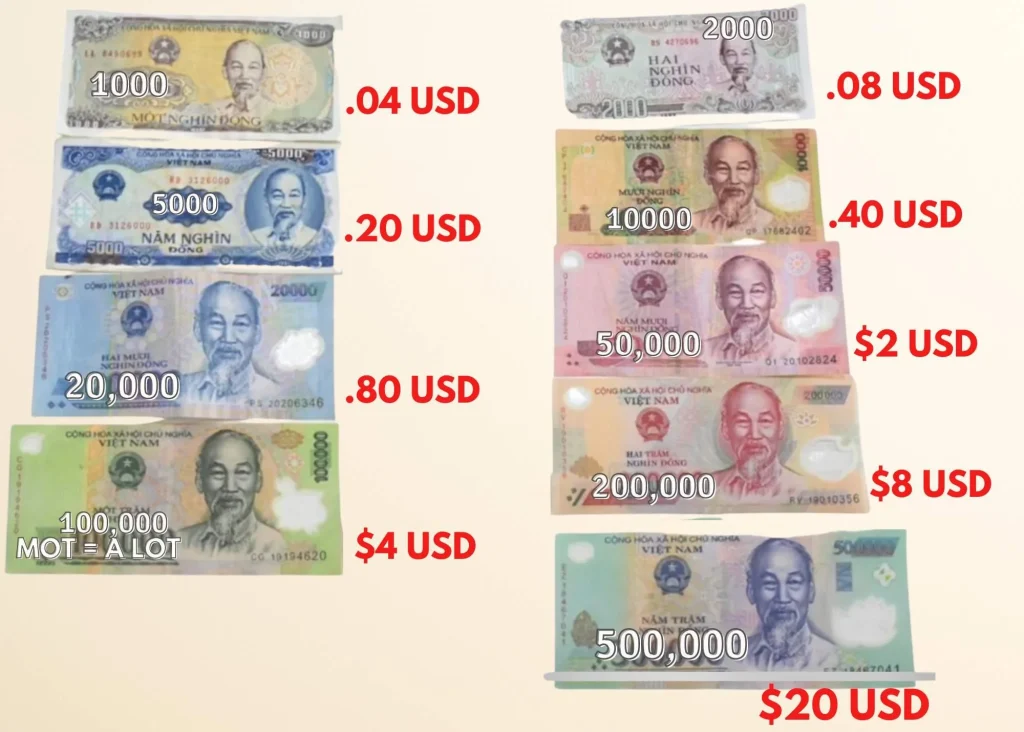
Banknotes are available in denominations ranging from 1,000 VND to 500,000 VND. Most daily transactions involve larger notes such as 50,000 VND, 100,000 VND, 200,000 VND, and 500,000 VND.
Because the numbers can seem large, many first-time visitors accidentally hand over the wrong banknote. Taking a moment to double-check the value before paying is always a good idea.
Should You Bring Cash or Credit Cards?
A combination of both is the best option.
Credit and debit cards are widely accepted in hotels, shopping malls, upscale restaurants, supermarkets, and many tourist attractions. Visa and Mastercard are the most commonly accepted international cards.
However, cash is still essential when buying street food, shopping at local markets, paying for small cafés, or visiting remote destinations.
Keeping a reasonable amount of Vietnamese Dong with you each day will make traveling much easier.

Where Can You Exchange Money?
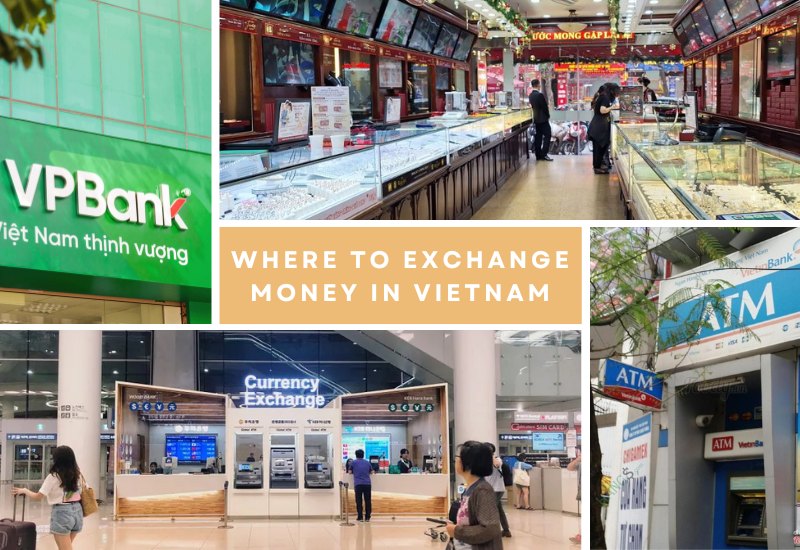
You can exchange foreign currency at international airports, banks, licensed exchange counters, and many hotels.
Banks generally offer reliable exchange services and transparent rates, while licensed exchange shops in major cities may provide slightly better rates.
Avoid exchanging money with unofficial street vendors, even if they advertise attractive exchange rates.
Using ATMs in Vietnam
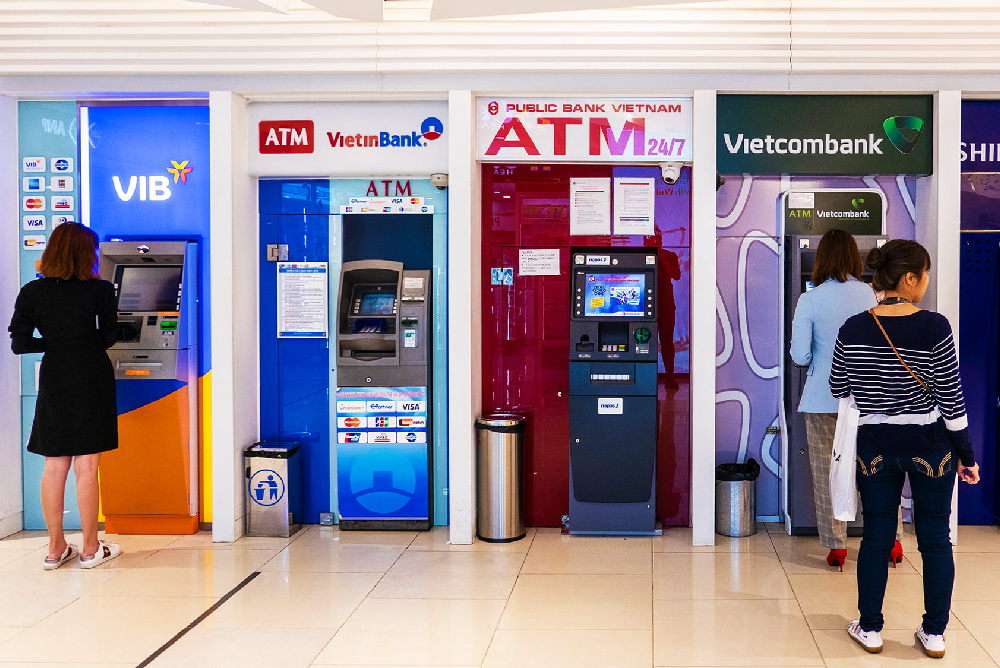
ATMs are easy to find in major cities such as Hanoi, Ho Chi Minh City, Da Nang, Hue, and Nha Trang, as well as in most popular tourist destinations.
International bank cards are widely accepted, although withdrawal limits and transaction fees vary depending on the bank.
If you’re planning to visit remote areas such as Ha Giang or mountain villages in Northern Vietnam, it’s a good idea to withdraw enough cash before leaving larger cities.
Are Mobile Payments Common?
Vietnam has experienced rapid growth in digital payments, with QR code transactions becoming increasingly popular among local residents.
However, most QR payment systems require a Vietnamese bank account, so international visitors generally rely on cash or international credit cards.
Many hotels, restaurants, convenience stores, and larger retailers also accept contactless card payments.
Is Tipping Expected?
Tipping is appreciated but not mandatory in Vietnam.
In local restaurants, tipping is generally not expected, although rounding up the bill is always welcomed.
For tour guides, private drivers, hotel staff, and spa therapists, small tips are a thoughtful way to recognize good service.
Ultimately, tipping depends on your satisfaction and is entirely at your discretion.
Common Money Mistakes to Avoid
One of the most common mistakes is confusing the similar colors of Vietnamese banknotes, particularly the 20,000 VND and 500,000 VND notes or the 50,000 VND and 500,000 VND notes.
Always count your change before leaving the counter and keep small denominations for taxis, cafés, and local markets.
It’s also wise to carry cash in different places rather than keeping everything in one wallet.
Money-Saving Tips
Eating at local restaurants, using ride-hailing apps instead of negotiating taxi fares, booking domestic flights in advance, and choosing accommodations outside the busiest tourist streets can significantly reduce your travel expenses.
Many museums, temples, parks, and cultural attractions also have affordable entrance fees, making Vietnam one of the best-value destinations in Southeast Asia.
If you’re visiting several regions, booking a complete itinerary with an experienced local travel company such as Vietnam Tourist can also help you avoid unnecessary transportation costs while making your journey more convenient.
Frequently Asked Questions
Can I use US dollars in Vietnam?
Some hotels or luxury travel services may accept US dollars, but almost all everyday transactions are made in Vietnamese Dong.
Should I carry a lot of cash?
No. Carry enough cash for daily expenses and keep the rest securely in your hotel safe or withdraw additional money when needed.
Can I pay by card everywhere?
Cards are commonly accepted in cities and tourist areas, but smaller businesses and street vendors usually accept cash only.
Final Thoughts
Managing money in Vietnam is straightforward once you understand the basics. Carrying a combination of cash and cards, using licensed exchange services, and keeping smaller banknotes for everyday purchases will help you travel comfortably throughout the country.
Whether you’re shopping in Hanoi’s Old Quarter, enjoying street food in Ho Chi Minh City, relaxing on the beaches of Da Nang, or exploring the floating markets of the Mekong Delta, being prepared with the right payment methods will make your trip smoother and more enjoyable.
Vietnam Tourist – Your Journey, Our Passion