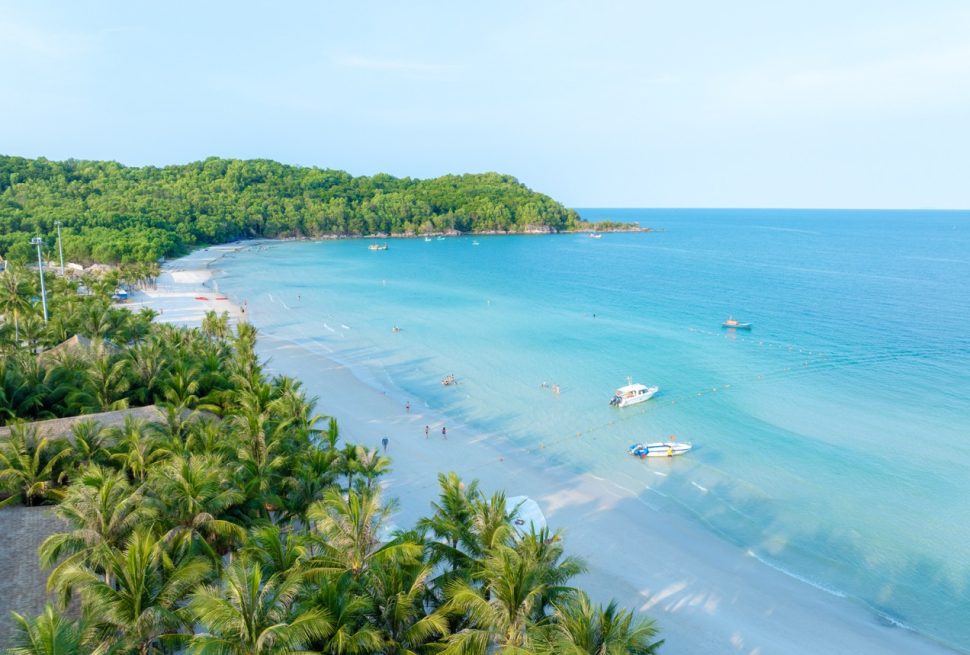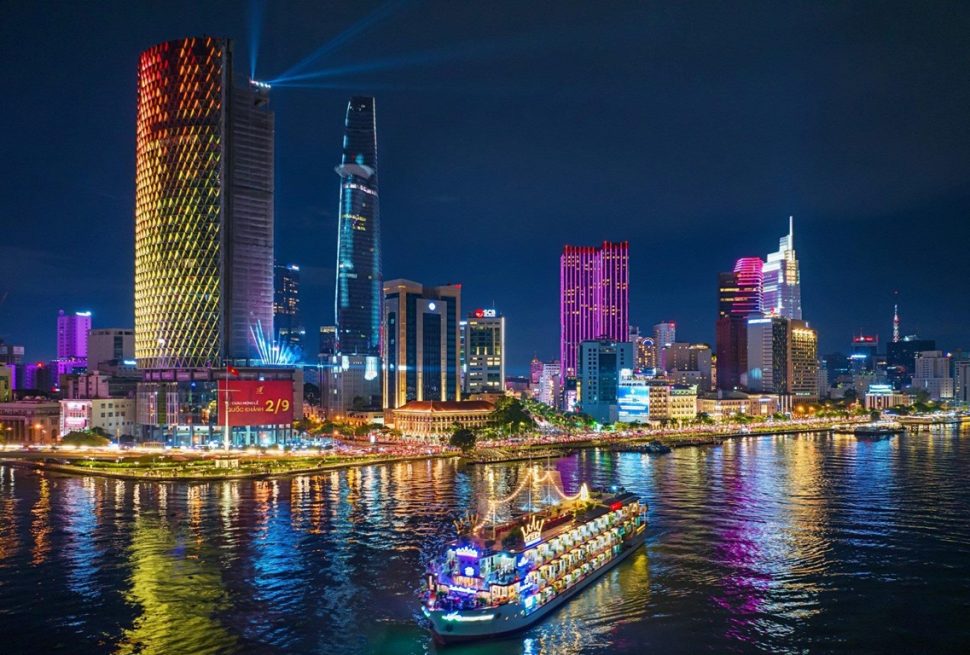
One of the biggest reasons travelers choose Vietnam is its excellent value for money. Whether you’re a backpacker exploring on a budget or a couple looking for a luxury holiday, Vietnam offers incredible experiences at prices that are often much lower than in Europe, North America, or Australia.
However, the cost of traveling in Vietnam depends on your travel style, destinations, and personal preferences. While it’s possible to spend less than US$40 per day, many visitors find that a budget of US$70–150 per day provides a much more comfortable experience, including quality hotels, great food, convenient transportation, and unforgettable activities.
This guide breaks down the typical travel costs in Vietnam and helps you estimate how much you should budget for your trip.
Accommodation Costs
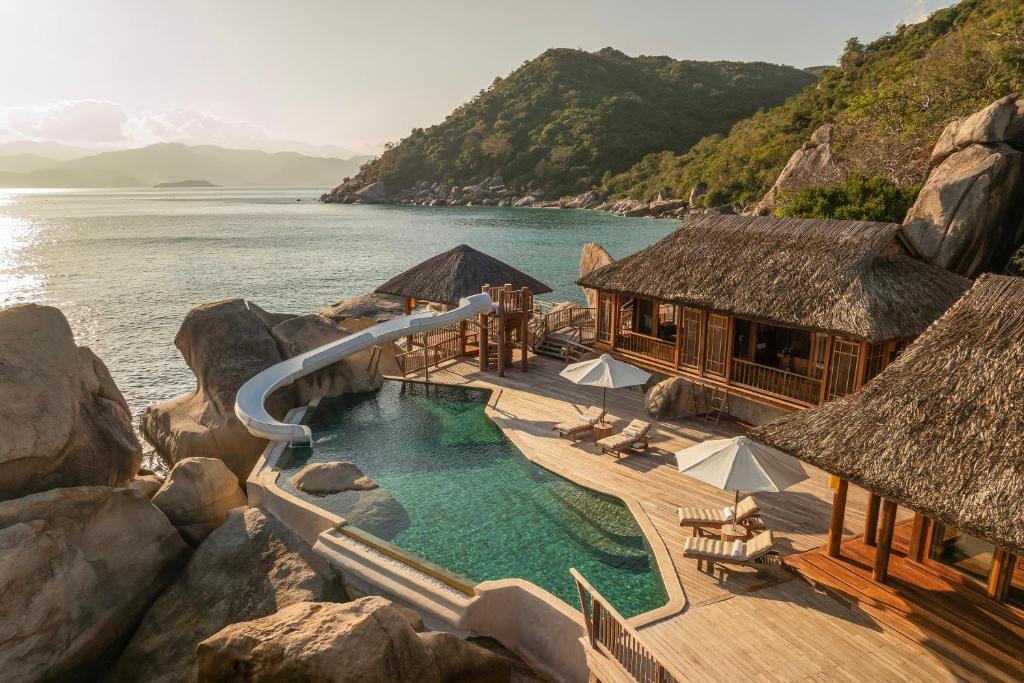
Vietnam offers accommodation for every budget, from affordable hostels to world-class luxury resorts.
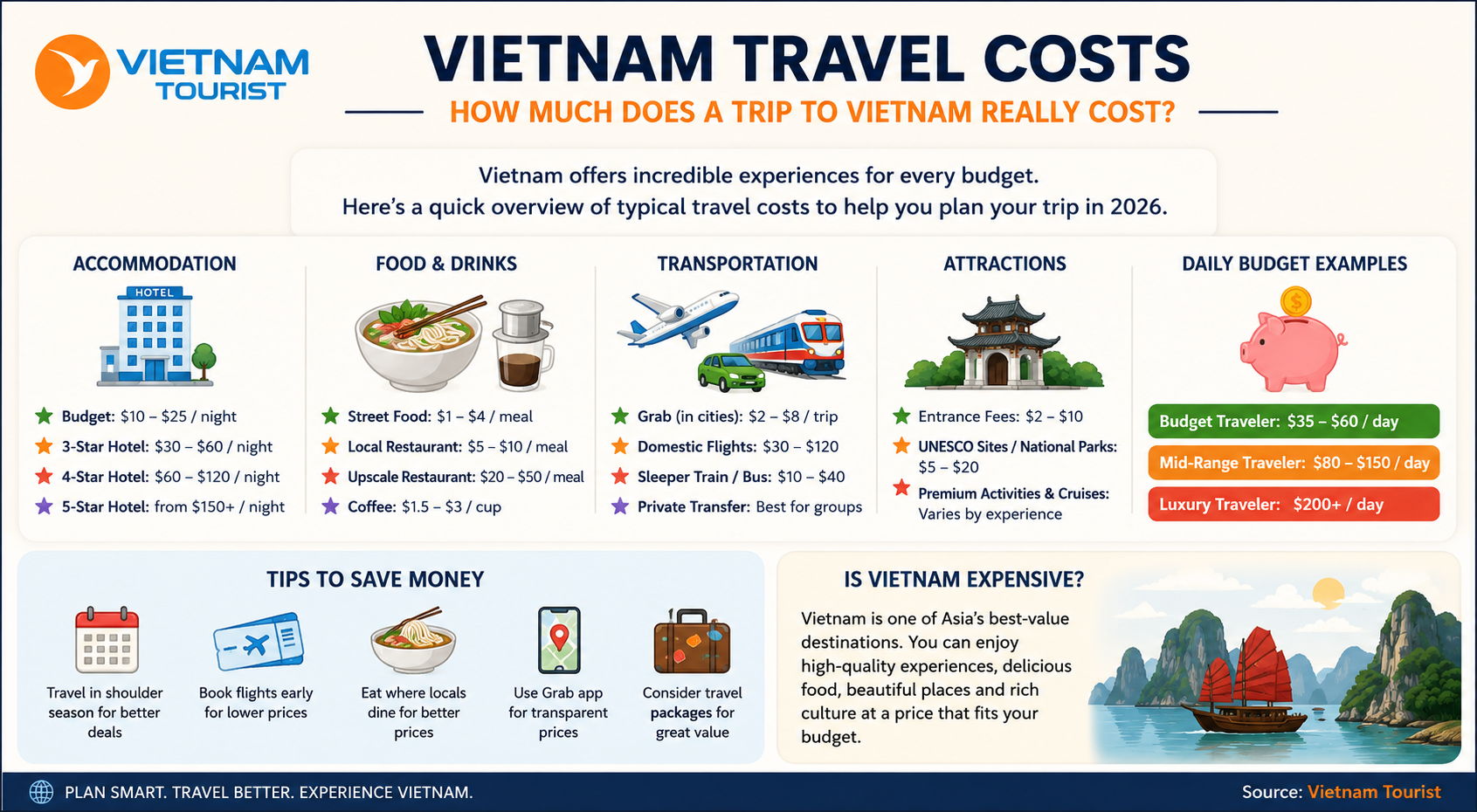
Budget travelers can easily find clean hostels and guesthouses for US$10–25 per night.
Comfortable three-star hotels generally cost between US$30–60 per night, while modern four-star hotels range from US$60–120 depending on the destination and season.
Luxury five-star hotels and beachfront resorts usually start at US$150 per night, although premium international brands may charge considerably more during peak travel periods.
Cities such as Hanoi and Ho Chi Minh City offer the widest range of accommodation, while beach destinations like Phu Quoc and Da Nang often provide excellent value for high-quality resorts.
Food and Drinks
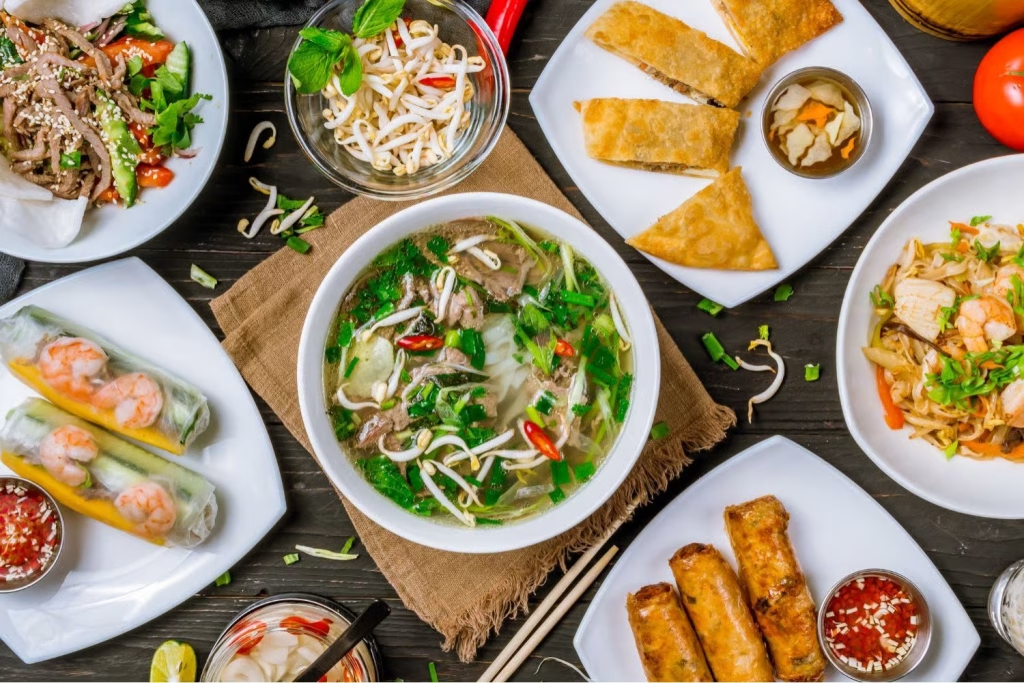
Vietnam is famous for offering delicious food at remarkably affordable prices.
A bowl of authentic pho from a local restaurant usually costs between US$2 and US$4, while banh mi sandwiches often cost less than US$2.
Meals at casual restaurants generally range from US$5–10 per person, while dining at upscale restaurants typically costs US$20–50, depending on the menu.
Vietnam is also one of the world’s best destinations for coffee lovers. Traditional Vietnamese coffee usually costs between US$1.50 and US$3, while specialty cafés in larger cities may charge slightly more.
Transportation Costs
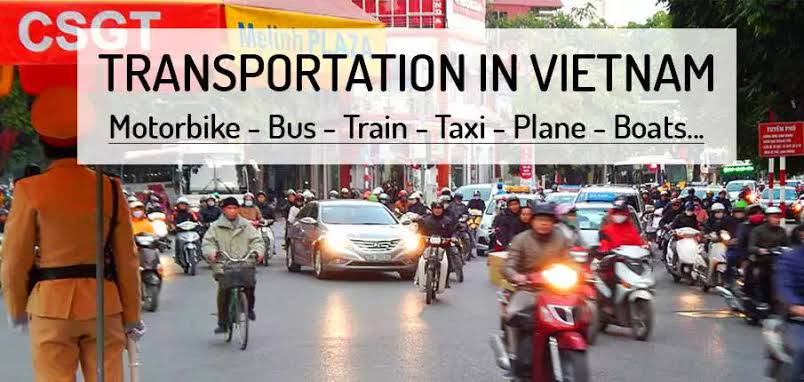
Transportation in Vietnam is both convenient and affordable.
Ride-hailing apps like Grab make getting around cities easy, with most trips costing between US$2 and US$8.
Domestic flights connecting Hanoi, Da Nang, Ho Chi Minh City, Phu Quoc, and other major destinations generally range from US$30–120 when booked in advance.
Sleeper trains and long-distance buses are popular alternatives for travelers who prefer scenic journeys or want to reduce travel expenses.
If you’re traveling with family or a small group, private transfers often provide the best balance of comfort, flexibility, and value.
Attraction Entrance Fees
Many of Vietnam’s most famous attractions remain reasonably priced compared to other countries.
Historical sites, museums, temples, and cultural attractions typically charge between US$2 and US$10 for admission.
UNESCO World Heritage Sites, national parks, and premium attractions such as cable cars or amusement parks usually have higher entrance fees, but they still offer excellent value considering the quality of the experience.
Boat cruises in Ha Long Bay, island tours in Phu Quoc, and guided excursions are often among the biggest expenses of a Vietnam itinerary, but they are also some of the country’s most memorable experiences.
Sample Daily Budgets
Budget Traveler – US$35–60 per day
Stay in hostels or budget hotels, enjoy street food, use public transportation or Grab, and visit affordable attractions.
Mid-Range Traveler – US$80–150 per day
Stay in comfortable hotels, dine at quality restaurants, take domestic flights, join guided tours, and enjoy a mix of cultural and outdoor activities.
Luxury Traveler – US$200+ per day
Choose luxury hotels or resorts, private transportation, premium cruises, fine dining, spa treatments, and personalized travel experiences.
How to Save Money While Traveling in Vietnam
Travel during the shoulder season to enjoy lower hotel rates and fewer crowds.
Book domestic flights early, especially if traveling during public holidays or the summer vacation period.
Eat at local restaurants where Vietnamese families dine instead of restaurants located directly beside major tourist attractions.
Use ride-hailing apps instead of negotiating taxi fares.
Consider booking a complete travel package if you’re planning to visit multiple destinations. Many travelers find that professionally arranged itineraries offered by trusted local companies such as Vietnam Tourist provide excellent value by combining accommodation, transportation, sightseeing, and local expertise into one convenient package.
Is Vietnam Expensive?
Compared with many destinations in Asia, Europe, and North America, Vietnam remains one of the best-value countries to visit. Travelers can enjoy high-quality accommodation, delicious cuisine, beautiful natural attractions, and unique cultural experiences without spending a fortune.
Whether you’re traveling on a tight budget or planning a luxury holiday, Vietnam offers outstanding value at every price point.
Final Thoughts
The cost of traveling in Vietnam is one of the country’s greatest advantages. With careful planning, you can enjoy an unforgettable holiday while staying well within your budget.
From affordable street food and comfortable hotels to spectacular cruises and luxury resorts, Vietnam offers experiences for every type of traveler. Understanding the typical travel costs before you arrive will help you plan confidently, avoid unexpected expenses, and make the most of your journey through one of Southeast Asia’s most rewarding destinations.
Vietnam Tourist – Your Journey, Our Passion